
Does your brand look like all the others? Adam Brami, ANZ director at Art of the Possible, plays spot the difference with risk-averse creative and offers some tasty takeaways.
The brain doesn’t notice “good.” It notices different.
Yet across category after category, we’re seeing the same patterns play out: similar ads, similar ideas, similar executions. When marketers stop thinking outside the box, brands fade into a sea of sameness. This isn’t just lazy marketing or bad creative. It’s structural. It’s systemic.
As Tom Roach (strategist and former head of effectiveness at BBH London) puts it, we’ve normalised the risk-averse process – research norms, pre-tests, brand guidelines, “best practice” decks – until it’s effectively become a wind tunnel. In our headlong pursuit of relevance and ROI, we’ve quietly lowered the ceiling on difference.

The paradox of course is that safe is, in fact, riskier.
When brands converge on the same tropes and claims, they blend into invisibility. As Marty Neumeier (author of Zag and The Brand Gap) puts it: “Distinctiveness is the quality that causes a brand expression to stand out from competing messages, memorability is the quality that allows people to recall the brand or brand expression when they need to.” Standing out is therefore not indulgent, it’s essential.
But distinctiveness doesn’t mean abandoning your category. The brands that truly cut through are anchored in the cues that tell people what they are, be it category signals, benefit language or otherwise – but they make those cues unmistakably theirs. Especially for challengers, the sweet spot is clear category recognition combined with distinctive codes only you can own.
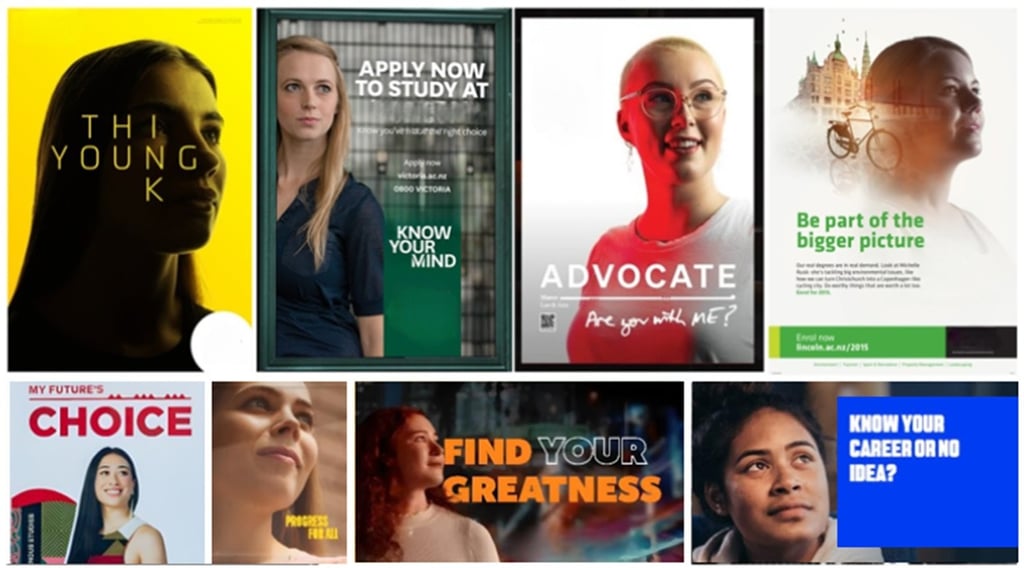
Example 1: tertiary & university marketing
For school-leavers, tertiary study is the biggest decision of their lives. It’s financial. It’s personal. It’s future-defining. And yet the creative codes are eerily alike: hopeful student gazing up to the left, soft-focus campus background, three-word formulaic headlines (“Find Your Future,” “Own Your Tomorrow” etc). Individually, none of these ads are ‘bad’. But side by side – bus shelters, Instagram feeds – they blur. The emotional weight of the decision deserves more than a template.
Takeaway for the category: When the decision is high-stakes, you need high distinctiveness. Category norms are fine as signposts – but your codes, story and assets must be unmistakably yours.
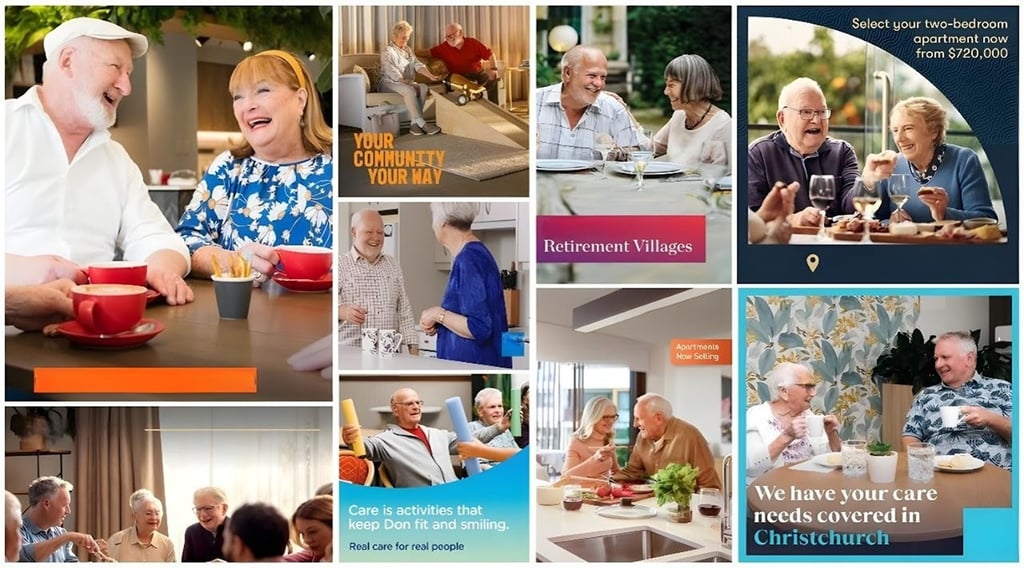
Example 2: aged care & retirement living
Another life-stage decision – but at the other end. Occupancy pressures are real. And yet the creative language feels stuck: white couples, matching mugs, mid-laugh cappuccinos, rosé-fuelled contentment. Individually fine, collectively patronising. It’s selling a fantasy when the real decision is rooted in fear, reluctance, guilt and complex family dynamics.
Takeaway for the category: The first brand brave enough to name the tension – not mask it – wins. In categories of trust and identity shift, connection beats polish.

Example 3: beauty
American Eagle’s Sydney Sweeney campaign dominated worldwide headlines a few months ago. Not because a beautiful woman was being used to sell a product (that’s old news) but because the tone flirted with controversy, the copy provoked and the brand pushed harder than the usual airbrushed, tension-free gloss.
Takeaway for the category: You don’t need to be offensive to be noticed. But you do need an edge. Without tension, personality, emotion or provocation, even the biggest celebrity faces barely ripple the surface.
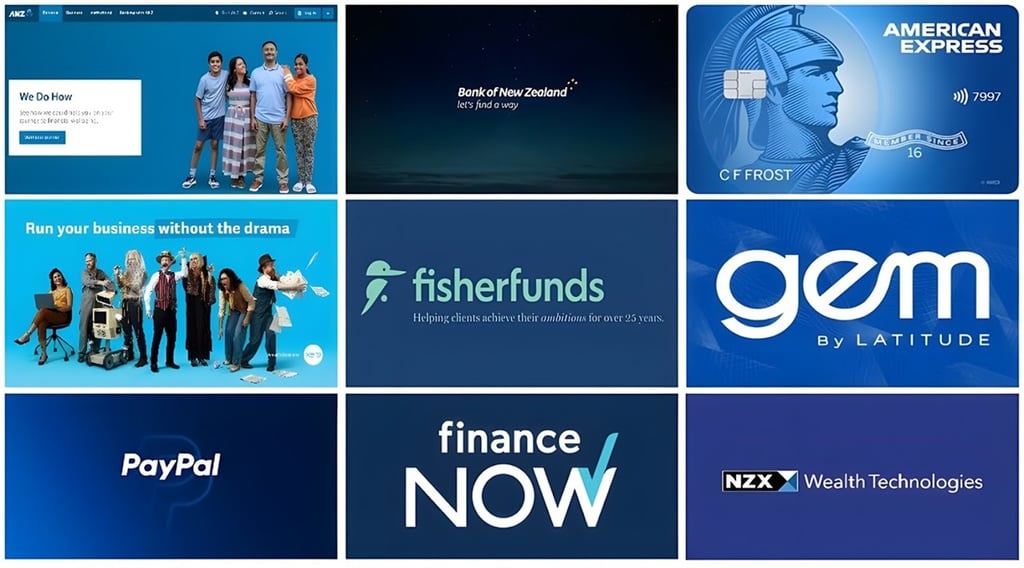
Example 4: finance
Finance is blue. It’s calm, competent, confident. Sky. Sea. Safety. Security. “Trust.” The world’s favourite colour, by a mile. But when most of a category chooses the same hue to signal reassurance, the signal stops getting through. Stand back from the sector and the lines between banks, lenders and savings platforms start to blur. In high-stakes, high-involvement decisions where brand trust is the product, a palette isn’t cosmetic – it’s one of the few things people actually register at speed.
Takeaway for the category: When many brands within a category share the same colour cue, meaning fades.
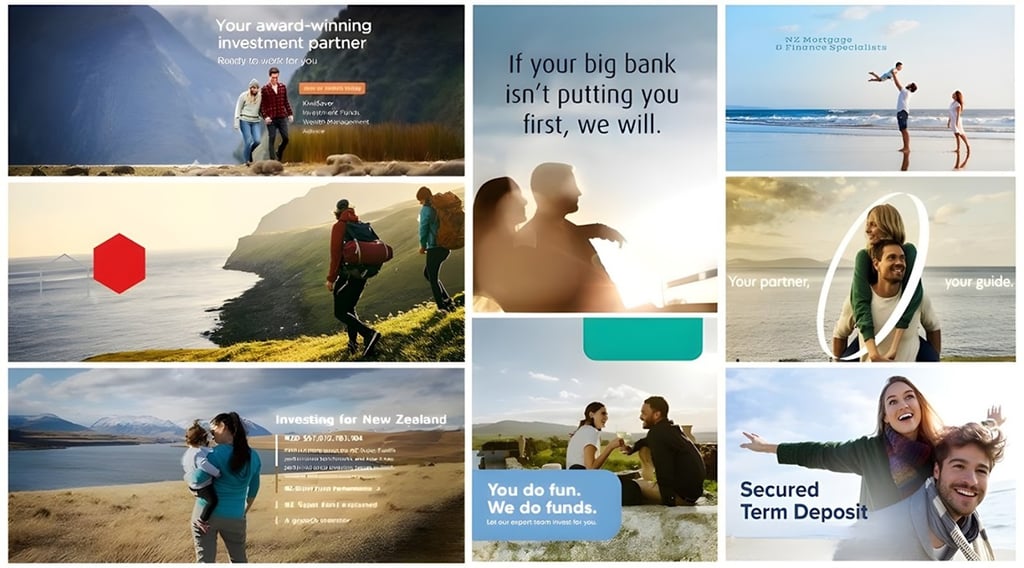
Example 5: investment
Peace of mind is a holiday snapshot. Hikers on a mountain ridge. A family frolicking on the sand. A sun-drenched picnic on a perfect hilltop. These scenes are used again and again to sell us the partners we’re meant to trust with our life savings, mortgages and retirements. They’re designed to say: “You don’t need to understand finance – we’ll handle it, you just relax.” But when several brands show the same beaches, ridges and picnics, the shorthand stops signalling freedom and starts signalling cliché. In a sector where you’re asking people to hand over their livelihoods, sameness isn’t just dull, it’s a brand risk.
Takeaway for the category: Real peace of mind doesn’t need a mountain ridge or perfect sunset. Show it in ways that feel lived, not staged, and trust will follow.
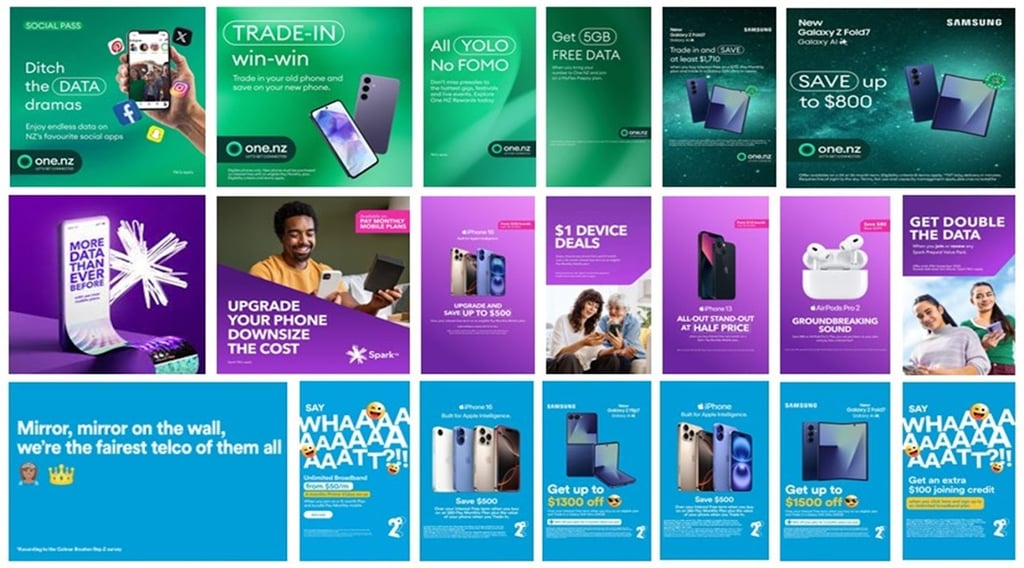
Example 6: telcos
Most telcos have strong master brands. But in the retail feed and store window it’s rinse-and-repeat: block colour, shiny device, price tag, “more data.” That’s fine for the Big Three. For challengers (the MVNOs) it’s a trap. As Marty Neumeier says in Zag: “You can’t be a leader by following a leader.” Adam Morgan (author of Eating the Big Fish) reminds us: challengers don’t grow by behaving like smaller versions of the Big Fish.
Takeaway for the category: For challengers in this space, show up where incumbents don’t. Speak human, not corporate. Make switching effortless. Prove value boldly. Distinctiveness and relevance are your levers when budget isn’t.
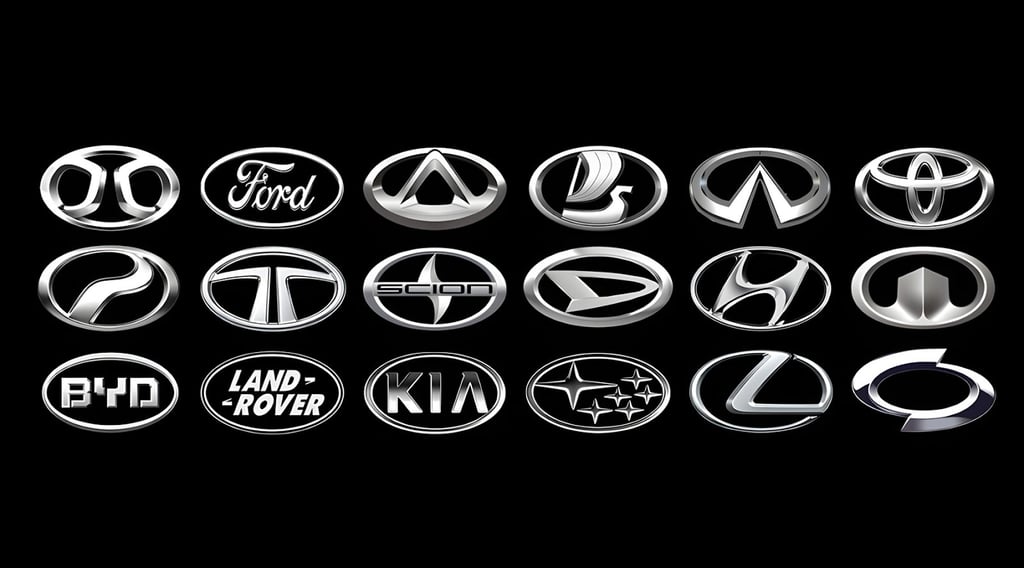
Example 7: automotive logos
A logo is a memory shortcut. But when many car makers default to the same outer container – ovals, ellipses, rings – your brand loses its visual edge. Stuck in Auckland traffic, I noticed how many logos recede into the same silhouette: colour, depth and line weight shifting but the shell unchanged. The very thing meant to make you recognisable can start working just as hard for your competitors as it does for you.
Takeaway for the category: A logo must signpost your brand in a way that competitors won’t. In categories where so many lean on the same shape shorthand, the risk of blending in is real.
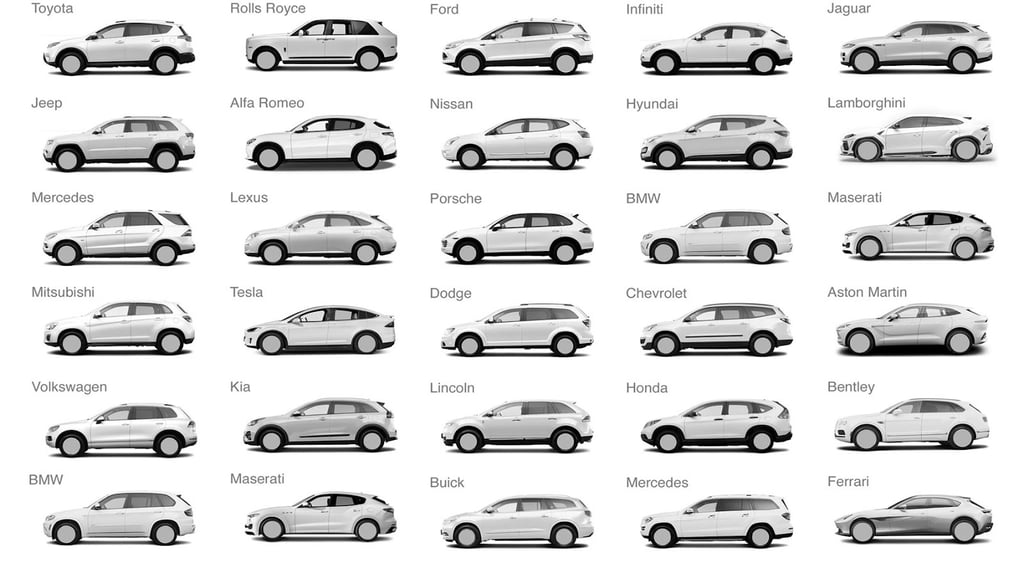
Example 8: automotive design
Adrian Hanft (designer and author of User Zero) argues that after a century of competition, car manufacturers have essentially cornered the market on sameness. He imagines a future where the “perfect automobile” is so agreed upon that all brands produce the same model. Hanft’s point isn’t hyperbole. He’s pointing to design convergence driven by risk-aversion, aerodynamic norms, regulatory constraints and the safety of “known good” forms. Slight tweaks in grille, headlamp treatment or panel sculpting are often the only levers left, and even those choices are guided by precedent, not bold thinking. Consumers may no longer perceive real difference because at scale the designs are converging.
Takeaway for the category: When design itself leans into the safe zone, brand distinctiveness has to fight on other fronts – storytelling/narrative, interior experience, emotional cues, radical departures in function. If your car looks just like others, your story has to do the heavy lifting.

Example 9: indulgence foods
The “taste-gasm” trope – eyes closed, head tilted back, slow indulgent bite – once signalled escaping into a taste sensation that made ‘naughty’ treats worth it. Now it signals “this is an ad”. The work that cuts through rewrites the codes to attract our attention and redefine a category: a gorilla drumming for Cadbury, Burger King trolling McDonald’s, Häagen-Dazs playing on absence not excess.
Takeaway for the category: Tropes lose power when overused. Reframe indulgence in ways that feel real, human and unmistakably your own.
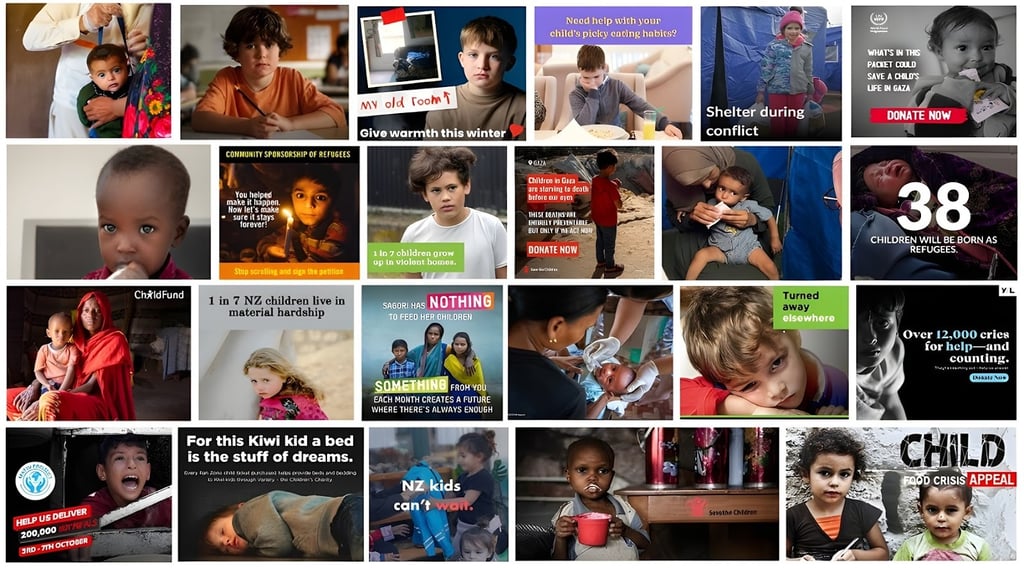
Example 10: charity appeals
Charities do some of the most important work in our world – and often turn to imagery that reflects the urgency of that need. A single photo of a child or family in crisis can stop us in our tracks. But when every organisation uses the same visual language of hardship, the emotion can blur.
Researchers call this compassion fatigue – when repeated exposure to distress makes people feel overwhelmed rather than moved to act. Studies suggest that showing progress or resilience can restore belief that giving makes a difference.
Takeaway for the category: When hope sits alongside need, impact feels real. Showing possibility cuts through and can move people as powerfully as showing pain.
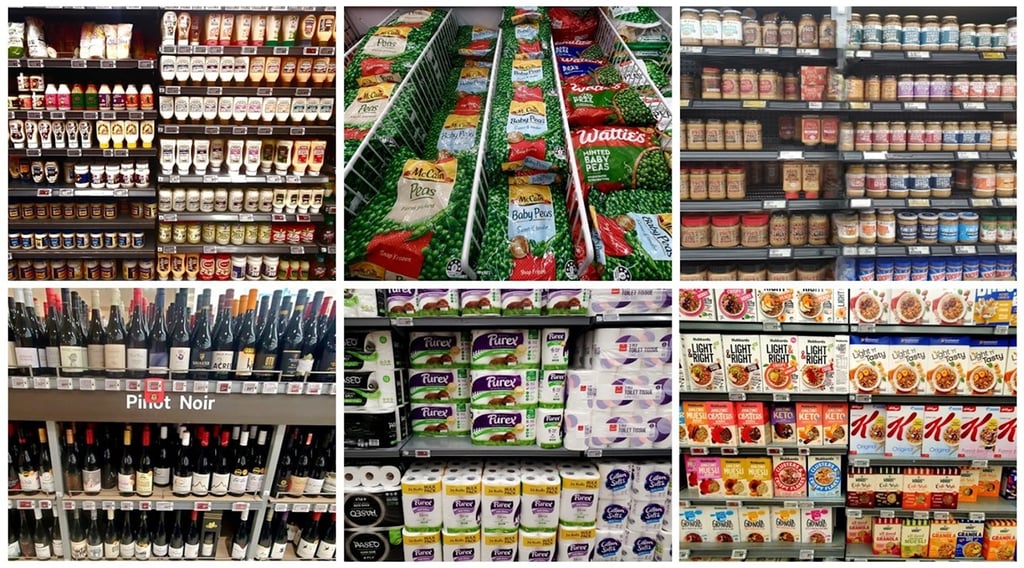
Example 11: the shelf moment
Shopping missions, often crammed onto jotted lists on our mobile phones, rarely include brand names, making the ‘at shelf’ moment, one where you have 1-2 seconds to capture the eye or to be chosen, crucial. Distinctive assets anchored in category cues win that blink of time. Outside the store, emotional storytelling primes memory so your pack triggers recognition in the aisle. As Jenni Romaniuk of the Ehrenberg-Bass Institute notes: “First, a brand asset must be distinctive so consumers unmistakably link that asset with your brand. Second, a brand asset must be relevant or ‘on-brand’ so it reinforces and amplifies your brand’s promise.”
Takeaway for the category: In the battle on the shelf, be distinctive and category-coherent. Anchor the cues, disrupt the codes, prime emotionally.
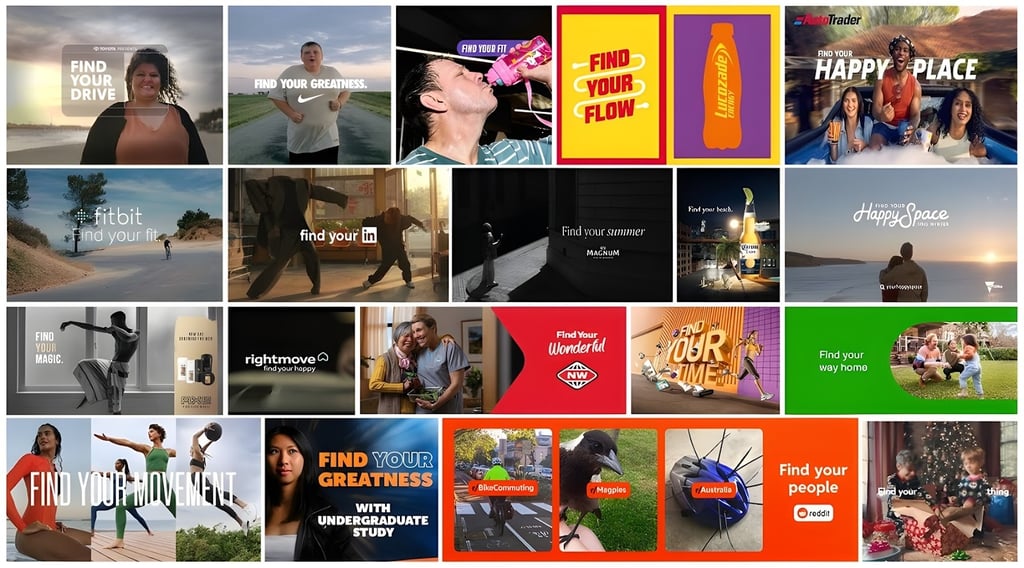
Example 12: the “verb your noun” tagline
“Find your drive. Find your greatness. Find your flow…” On their own, these slogans are confident and evocative. But repeated across categories, the ‘verb your noun’ formula slides from inspiring into parody. Instead of building ownership, it risks indifference or even misattribution. A good tagline should be an ownable shorthand for a brand’s meaning. Kantar research shows slogans lift recall when they’re distinctive and tied consistently to the brand. If your line could sit under a competitor’s logo, it isn’t working hard enough.
Takeaway for the category: If when you’re crafting your tagline it can sit comfortably under another brand’s logo, it may be time to dig a little deeper. And in doing so, perhaps you’ll even ‘Find your own tagline’.
So what? Escaping the sea of sameness
Across these categories a pattern emerges: risk management replaces risk-taking.
Templates replace thinking. Relevance trumps difference.
But the cost of blending in is invisibility. Distinctiveness isn’t indulgence, it’s efficiency. As Byron Sharp (How Brands Grow) reminds us: “Building mental availability requires distinctiveness and clear branding, while brands seldom compete on meaningful differentiation.”
Difference on its own isn’t enough. Audiences still need to know instantly what you are and why you matter. The brands that build memory fastest aren’t the ones that shock for shock’s sake – they’re the ones that take the familiar signals of their category and infuse them with codes, assets and stories that only they could own.
For challengers, this balance is especially potent: clarity of category plus a twist of unmistakably ‘you’.
- Audit your category codes. Lay your competitors’ ads, packs or logos side by side. Spot the patterns.
- Name the tension. Especially in high-stakes categories, connection beats fantasy.
- Anchor, then disrupt. Own the cues that signal your category, disrupt with assets only you can use.
- Prime outside the moment. Use emotional storytelling so your brand is already in memory when the decision comes.
- Be brave. Safe is riskier. The first brand to zag when others zig wins disproportionate growth.
This is the work we live for: surfacing the codes everyone else is copying and helping brands replace template thinking with distinctive, human, high-impact ideas. Different isn’t just possible. Different works.