

Job ads these days often mention a shopping list of skills. Employers want marketing unicorns, but hope to pay them little more than rainbows and fresh air. Marketing research and insights specialist Katherine McGarvey on a troubling trend.
Develop a marketing strategy. Refine our brand voice. Create engaging content. Drive lead generation across multiple channels.
This was how a recent job ad for a marketing specialist began. It went on. The candidates would also craft email campaigns, manage the CRM and website, have expertise in LinkedIn ads, possess strong copywriting and storytelling skills and more.
The best part? They were offering $25-$35 an hour. About the same as an entry level admin assistant.
If you’ve spent time looking at job ads lately, you’ve likely seen roles like this (although hopefully not pay that low). These days, marketers are often expected to wear many hats, with businesses looking for one person to take on the responsibilities of a whole team.
The myth of the marketing Swiss Army knife
Over the past months I’ve been researching marketing jobs. One thing is clear: many SMEs are either deluded, misinformed or have relied heavily on ChatGPT to write their ads. Marketers are expected to have skills covering everything from brand strategy to web development, PPC to copywriting.
Rebecca Tanner, a brand manager, highlights the unrealistic expectations she’s seen in job descriptions: “It’s clear that if employers want to get great results without causing someone to actually burn out, they can’t hire just one person for it.”

Loading marketing roles with endless responsibilities ultimately undermines success. It’s also a false economy. Quality suffers, and promising marketers become increasingly disillusioned. And who can blame them?
Kelly Baker, a professional services marketing manager, puts it bluntly: “Businesses are burning money. And contributing to the endless cycle of bad marketing out there. Young marketers get laundry lists of things to do and no chance of doing a good job on even half of them.”

The reality inside the role
Many new marketers are hired into solo roles with no guidance or support. And because they’re new, they can lack confidence to speak up about unrealistic expectations.
“They think it’s normal,” Baker says. “They think they’re not performing well if they can’t meet those expectations, and they tend to burn out.”
How marketing is perceived compounds the problem. As Baker notes, “we’re still seen as the colouring-in department. We’re never going to be taken seriously unless businesses understand what marketers can actually do.”

What do you think? Let’s talk about it on LinkedIn.
Why this keeps happening
There are a couple of common culprits:
- Marketing is misunderstood and undervalued, especially in smaller businesses.
- Job descriptions are written using AI tools (complete with ubiquitous rocket emojis), without awareness of what marketers do.
“From the outside looking in, a lot of the things we do look simple, so people assume it is simple. They don’t see all the behind-the-scenes work,” says Tanner.
“But simplifying things down to get people paying attention is what we do as marketers!”
Is it our fault?
To get better results, businesses need to set marketers up for success, not overwhelm. So perhaps the most important change needs to come from us.
“We’ve got to do a better job of telling the story of our value to the exec team,” says Baker.
Tanner agrees: “As marketers, we need to be better at communicating what we actually do.”
They’re both right. If we want fewer overreaching job ads, less disillusionment and more sustainable careers, then as an industry we have a responsibility to tell our own story better. No one else will do it for us.
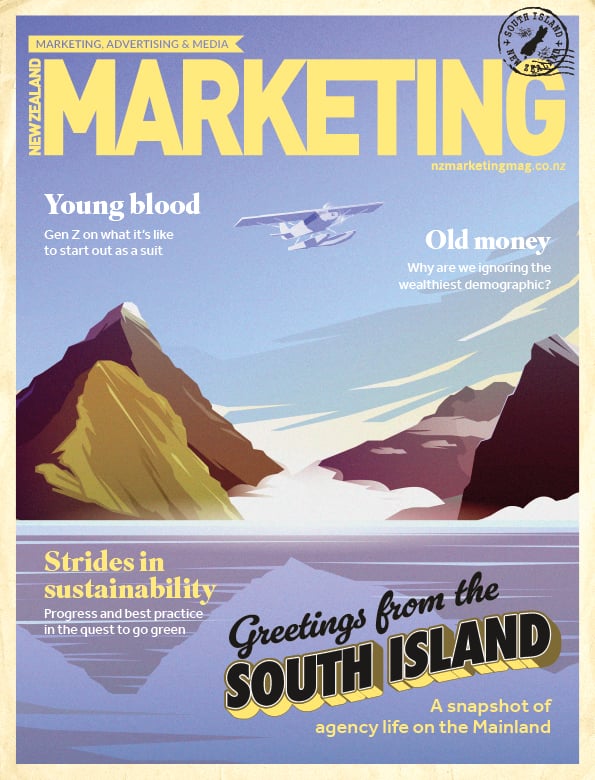
This story comes from NZ Marketing magazine issue 83, Jun-Aug 2025. Why not subscribe? Get four issues a year for just $50 (including delivery) if you autorenew.
Essential marketing intelligence. Don’t miss it.