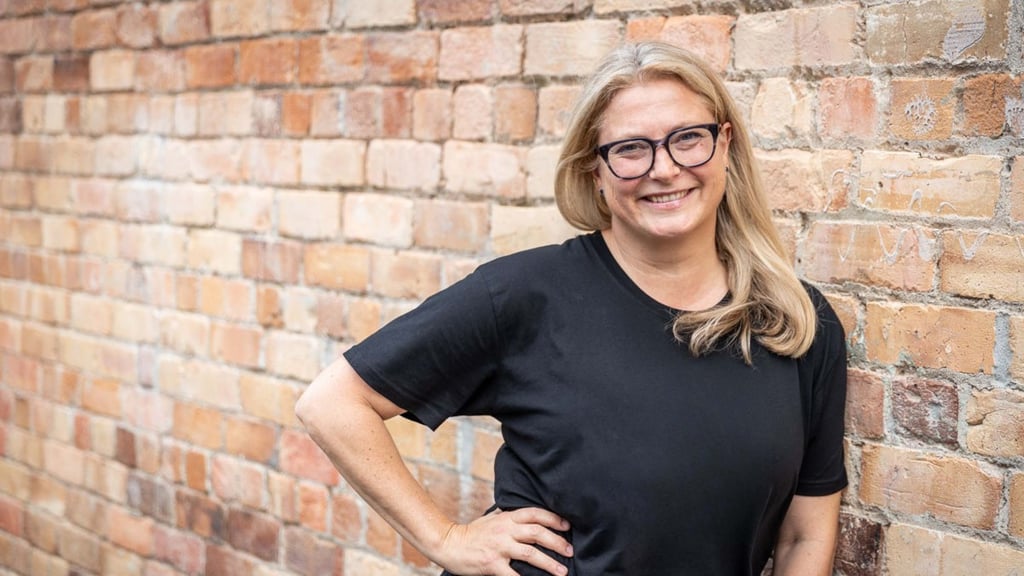
When Veronica Shale stopped drinking alcohol three years ago, people made boundless assumptions as to why.
“They assume you’ve got a drinking problem,” laughs Shale. “But it’s not because of that at all. It’s a lifestyle choice.”
A choice that more and more Kiwis appear to be taking up. Shale is campaign director of Dry July in Aotearoa, a position she took up six months ago. She says sobriety and hybrid drinking habits are increasingly becoming mainstream.
Dry July is an annual fundraising campaign that began in Australia in 2008 and has been running in Aotearoa since 2012.
Run by the Dry July Trust NZ, it encourages people to stop drinking alcohol for the month of July to support Kiwis with cancer with donations going to four charities: Look Good Feel Better, Prostate Cancer Foundation New Zealand and Pinc & Steel Cancer Rehabilitation Foundation.
Connection to the cause
A personal connection to the cause is a big reason why people sign up – but Kiwis are also increasingly embracing the campaign for their personal health, says Shale.
She’s also found that partnerships with like-minded brands – this year, non-alcoholic specialty store The Chiller, and functional beverage brand No Ugly – is helping in this space.
“There are choices now, so that makes it really easy for people to switch without feeling they are missing out. I think we’re pushing back against these extremes. You can enjoy a glass of wine one night and a kombucha the next.”
No Ugly co-founder Aaron Taylor’s reason for supporting the cause is more personal. His general manager, Sara Eichmann, was diagnosed with a rare form of sarcoma last year. So when Dry July reached out in January, it was a no brainer.
“I’d always thought about supporting Dry July in some capacity, but it became really even more important because we thought we needed to give to raise money for cancer,” says Taylor.
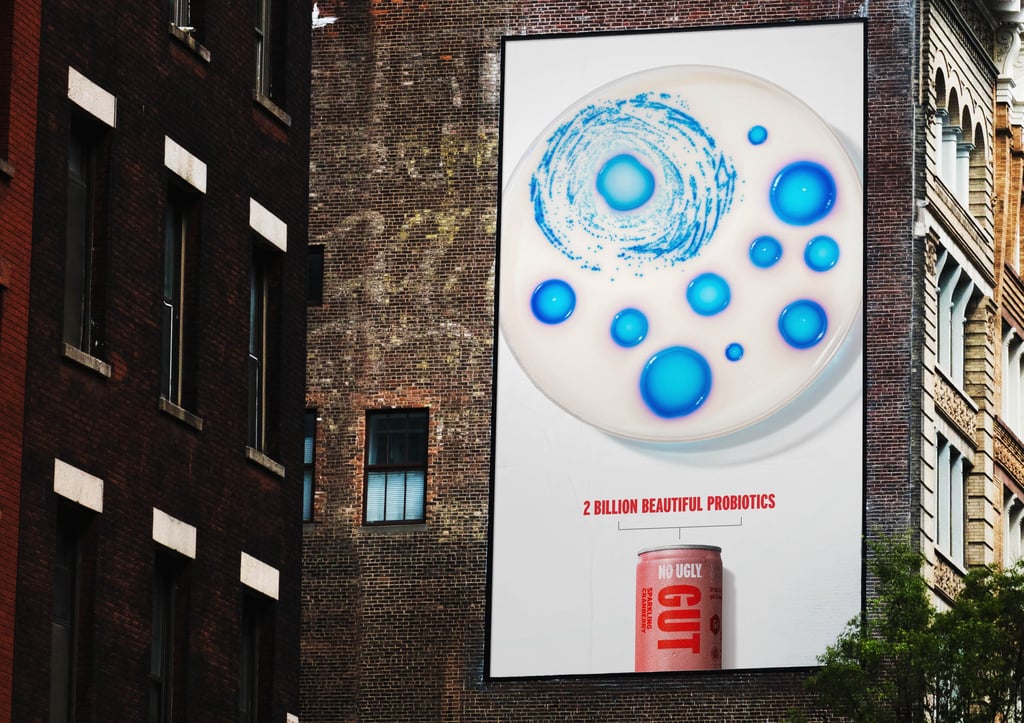
No Ugly specialises in functional beverages with active ingredients for specific need states, like Sleep, Focus and Sport. For Dry July, it has created two four-packs: the Boozer box and the High Achiever box.
Taylor describes the Boozer four-pack as a kickstart to get involved in Dry July. It contains No Ugly’s detox and gut drinks, providing some TLC for the liver and gut. The High Achiever box is for those who don’t really drink already but want to support the campaign regardless, says Taylor. This one contains the sleep and focus drinks.
“So they were an incentive for Dry July to get people to start signing up. They started announcing that about a week before Dry July started and we donated 1000 of those each and they’ve been steaming out the door. So it means people are getting behind it, which is quite cool,” says Taylor. No Ugly is also donating half the cost of each box sold to the Dry July Trust NZ.
Wellness shifft
Shale says Dry July isn’t really about giving something up, so much as celebrating other alternatives and other ways of living: “It’s not anti-alcohol, you’re just choosing you over that lifestyle for that moment in time.”
She speculates that the shift towards the wellness mindset happened post-Covid pandemic. People started to assess their habits relating to their health and stress levels, their work-life balance and think about what was most important to them.
This was the case for Amanda Boock who stopped drinking alcohol during lockdown. A back injury was her wake-up call.
“I would enjoy a glass of rose at night and then all of the tension carrying myself in pain for the day could just melt away for an hour. But then the next day was tricky.
“I just realised that I had to make some changes in my life and I was never going to be able to address the pain and the injury in my back if I never had the energy to do it.”
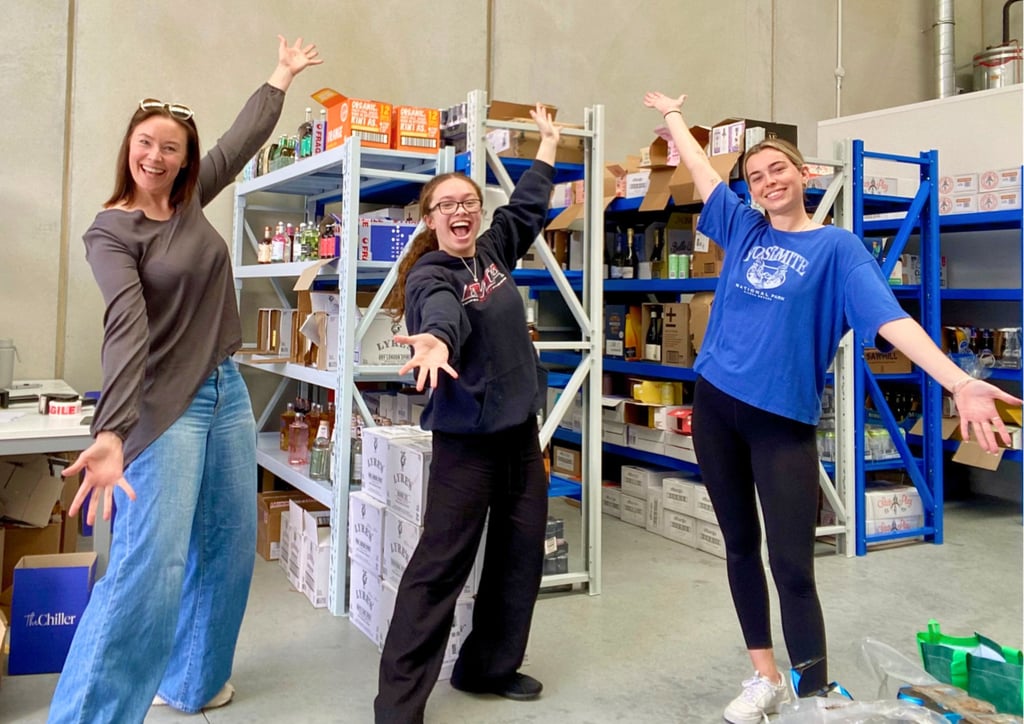
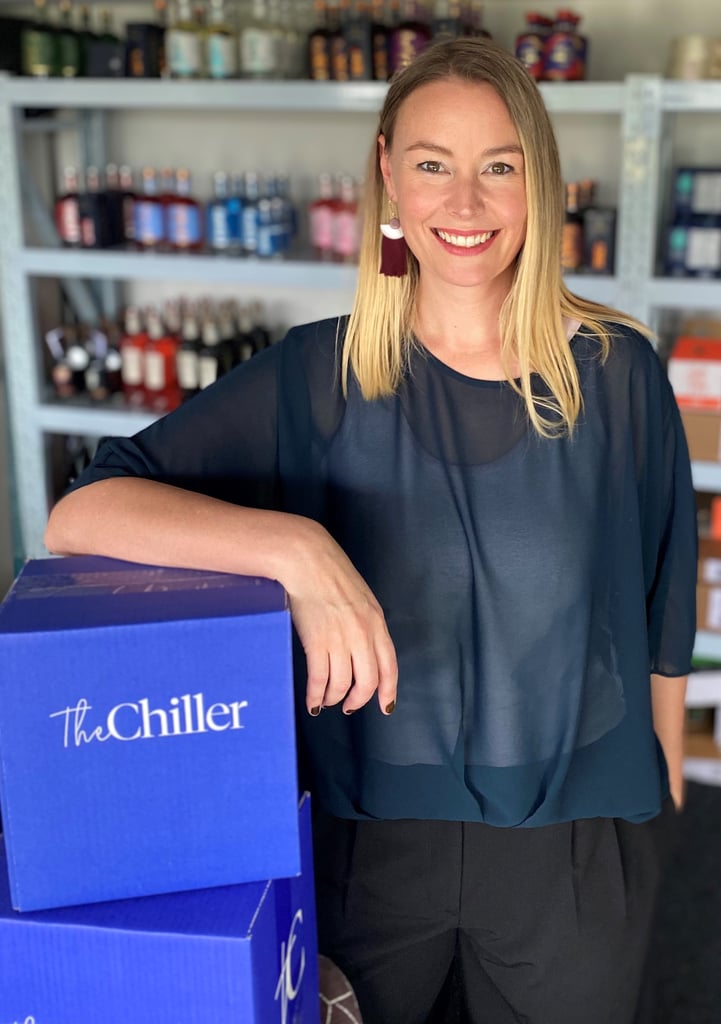
So she swapped her bottle of rose for an alcohol-free one for from the supermarket. It helped make the transition easier. While the alcohol-free category was exploding overseas, it hadn’t quite taken off in Aotearoa yet, so Boock and her husband saw an opportunity to start The Chiller.
From their base in Hobsonville, Auckland, they sell zero percent beers, wines, spirits, even bitters. “There really is something for everyone,” says Boock.
“We just want people to find us so they can discover the great options out there. And we want to help support them on their journey to cutting back on alcohol.”
She adds that organisations like Dry July help build awareness of the negative effects of alcohol and show people how they can make adaptions or work to reduce their consumption.
Social sober wellness
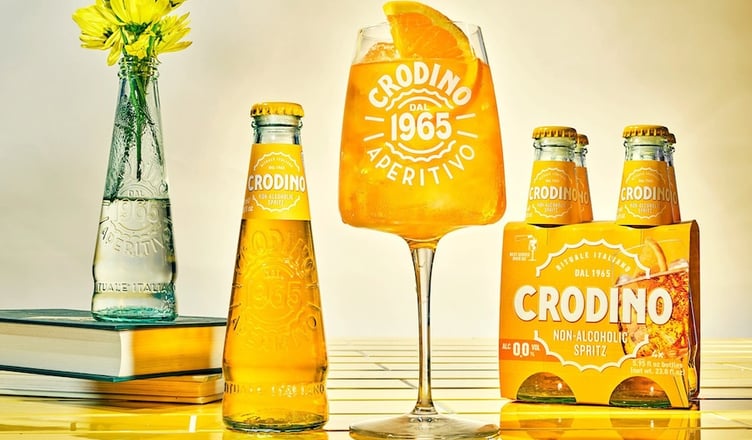
This year, The Chiller is supporting Dry July with a 20% sale on its products. It’s also donating $1 from every order to the Dry July Trust NZ. Boock hopes to inspire people to discover and try new drinks, so they can enjoy the month off alcohol. Hopefully they’ll continue some of those practices once July is over, she says.
“Everyone knows somebody who’s been affected by cancer in New Zealand, so it’s a really powerful cause to support. And because it is twofold, you can support others while you also improve your own health.”
When they started the business three years ago, a lot of people were drinking non-alcoholic because they were on “doctor’s orders”, says Boock. But like Shale, she too has seen the rise of moderation and of the hybrid drinker.
Last Dry July, The Chiller and Auckland-based workplace wellbeing company Synergy Health polled 534 Kiwis in business across Aotearoa.
The results showed that 21% were planning to take part in Dry July, 17% weren’t but were planning to reduce their drinking and 31% didn’t drink alcohol. The remaining third said they were not participating.
When asked if they could see themselves reducing their alcohol consumption beyond 30 days, 68% said yes.
“Socially, people are a lot more comfortable having 0% drinks in the fridge alongside the alcoholic drinks and they just choose which one they want,” says Boock.
“There’s this term called social sober wellness – people are finding new ways to get together and enjoy themselves socially without alcohol being centre stage.”