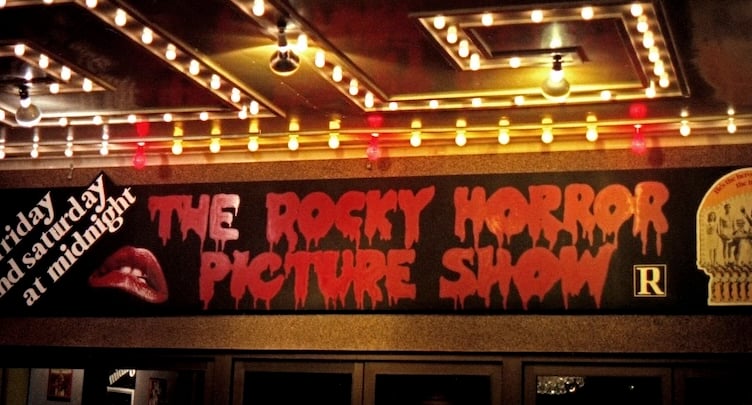
It’s astounding… time is fleeting, and it certainly doesn’t feel like 50 years since The Rocky Horrow Picture Show hit cinemas. But the cult classic very nearly bombed. Here’s how a simple marketing flip propelled a flop to a filmic tour de force.
Success on the stage doesn’t automatically transfer to the big screen – that was the lesson for the team behind The Rocky Horror Picture Show.
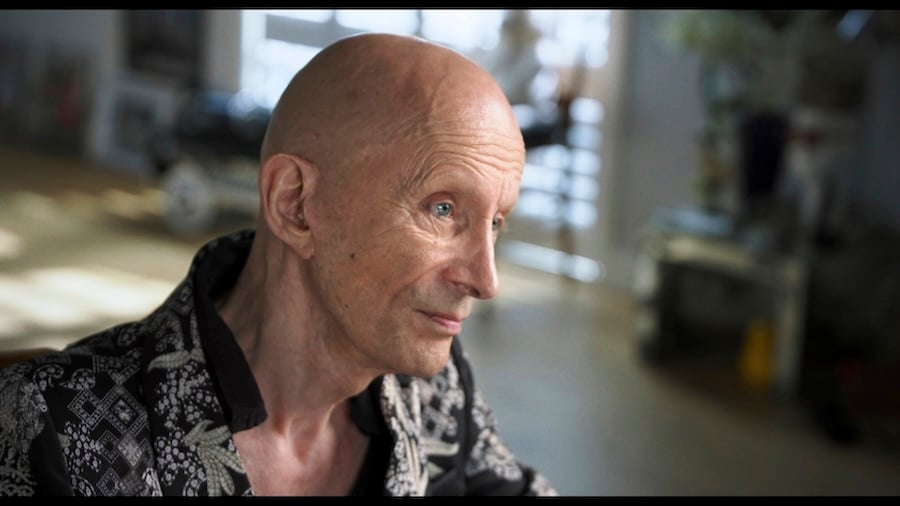
It started as a musical, created by British-Kiwi actor and writer Richard O’Brien, and premiered in London in 1973. The production quickly packed out theatres and has been staged somewhere in the world ever since.
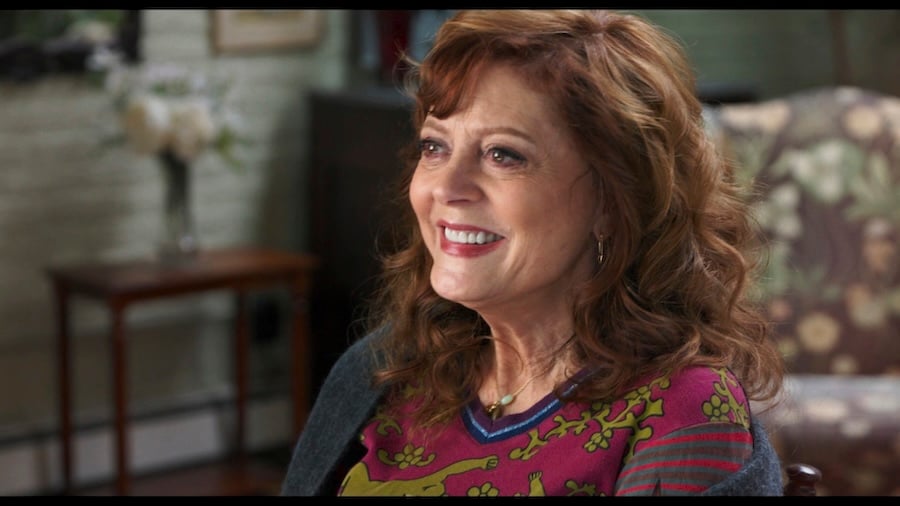
Yet the subsequent film, released in 1975 with Susan Sarandon as Janet and Tim Curry reprising his stage role as Dr Frank-N-Furter, fell flat.
“But it found its way, as all good things do, and it works on so many levels. That’s the reason for its longevity,” says Richard’s son, Linus O’Brien.
Just how it found its way is an interesting story.

Completely crazy
The truth is that at first, no one knew what to do with the Rocky Horror film, says O’Brien.
“Why would they? The story is insane. Yes, it’s a Frankenstein-based theme and everything, but what goes on in the house is completely crazy.”
Rocky Horror’s test screening was a disaster. Held in 1975 in California’s Santa Barbara, half of the audience walked out, says O’Brien.
“At the end of the screening [20th Century Fox producer] Lou Adler and [20-something advertising manager] Tim Deegan were sitting on the curb and these college-age kids came up to them to say, ‘Oh, listen, we really liked your movie.’”
Those encouraging words made Adler and Deegan feel like they did have a market out there: they just had to find it and bring the movie to them, he adds.
Everything changes after dark
How? It comes down to knowing your customers and what their needs are, says Rouxelle de Villiers, associate professor of marketing and international business at Auckland University of Technology.
In this case, the key lay in people wanting to step outside their everyday lives.
Everything changes after dark, so Adler and Deegan decided to screen the film at midnight. Maybe this is when people will come to see it, went the thinking.
“And they were right, completely right,” muses O’Brien. “It’s very strange how it all came together.”
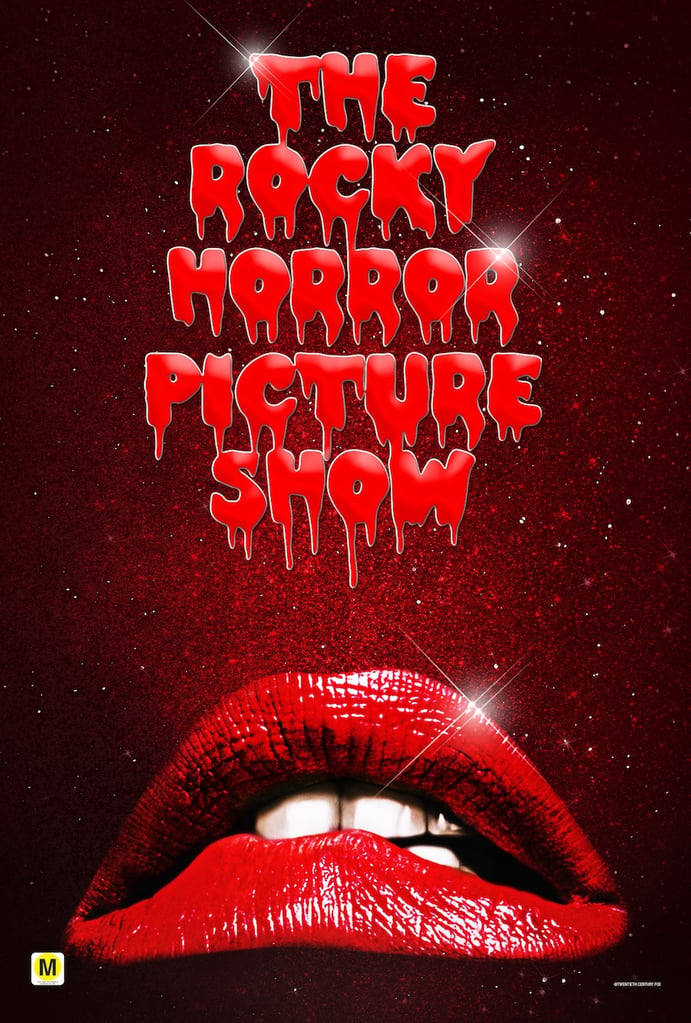
The Rocky Horror Picture Show was re-released on April 1, 1976, and hasn’t left cinemas since – it boasts the longest theatrical release in history.
Midnight showings started in Austin, Texas, as well as in New York. After three weeks, Adler and Deegan rang to check in.
In Austin, the cinema manager said 50 people had been in to see it – the same 50 every week.
That was when Adler and Deegan knew they had a cult hit, says O’Brien.

An excuse to be engrossed
But what did changing the session time solve?
AUT marketing senior lecturer Amy Errman says at night (and with a bit of glitter), people can live out different versions of themselves – just ask Cinderella.
“Midnight screenings give you a bit more leeway to engage in different identities or versions of yourself than you typically would if you were working your nine-to-five office job,” says Errman.
“People do desire to become engrossed in these stories, but the timing is almost giving them an excuse to do that.”
Once the clock strikes 12, anything might happen. And it did. Five months after the first midnight screening, the “shout outs” began, where the audience would call back to the film.

Fans keep going back
But that wasn’t enough for the fans, says O’Brien. They wanted to play a bigger role. “They want to be Brad and Janet.”
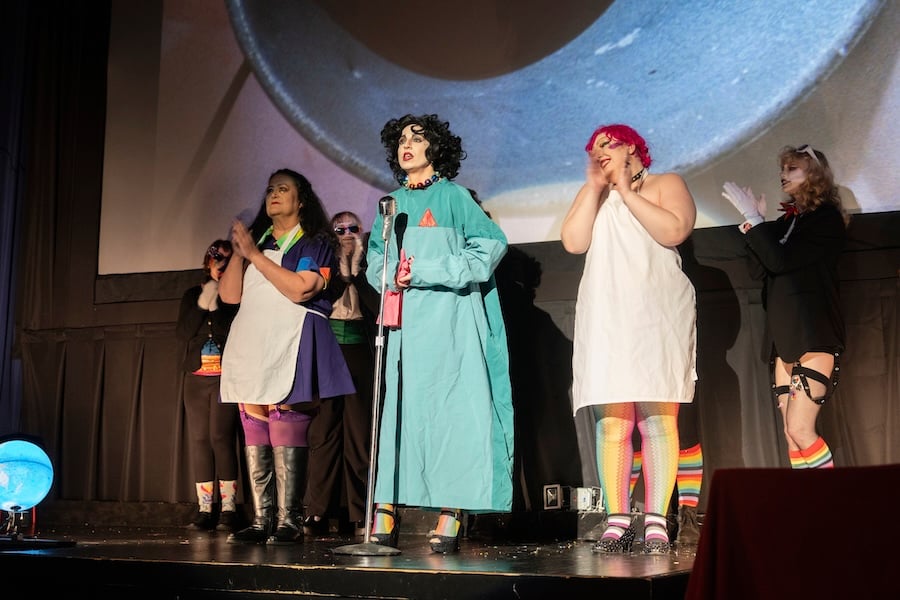
Soon, they started dressing up and bringing props. Then came the shadow-casts: people in costume who would lip sync along with the on-screen action.
“Once the shadow-casts started, people would come to New York from other cities to see what was going on, and then started taking the idea back to their cities. It spread super organically with people finding it, hearing about it,” says O’Brien.
De Villiers says, in most industries, if you can engage your customer at three levels: cognitively, emotionally and physically – and activate as many of the five senses as possible – then you’re going to be a hit. And that’s exactly what Rocky Horror did.
“If my need is to be entertained truly, I want to actually feel part of it… They had basically taken the whole customer experience to being part of the movie, not just sitting there and enjoying it while you’re stationary,” she adds.
“When you hit it spot on like that, customers keep going back.”
Ongoing legacy
When Rocky Horror made its stage debut, Linus O’Brien was a year old. He had a relatively normal childhood, he says, but the show played a constant role in his life. “It was always in the background somewhere,” he says.
To celebrate both his dad’s work and the film’s 50th anniversary, O’Brien made his directorial debut with a documentary, Strange Journey: The story of Rocky Horror. The doco premiered at South by Southwest in Austin in March and has being doing the rounds at film festivals across the world.
“The story of it is quite incredible,” says O’Brien. “Even without all the emotional stuff from my dad and all the midnight stuff and all of the help it’s been to the LGBTQ community – the story itself, the rise, the fall, the rise again, it’s a great story.”
Niche to cult classic
AUT’s Amy Errman remembers a queer cinema class she took back in the early 2000s where Rocky Horror was the first film covered.
“It’s so wild how it went from a really weird niche little thing to everyone’s cult movie.”
It still wasn’t mainstream culture back then, but for many it was a gateway to engage with content and spaces they wouldn’t typically enter, she says.
“It becomes a safe way to do these things – you probably wouldn’t say, ‘Oh, I watch a film that’s queer’ – but everybody bonds over Rocky Horror.”
Humour is key to success, says Errman. It gives mainstream audiences the “OK” to be interested.
“If a movie or an ad campaign is quite serious, people think they have to be almost connoisseurs or they need to be the same social identity group as those in the film or campaign.
“When something is funny, it’s an invitation for everyone to get involved.”
Cheeky and tenacious
While switching the show time to midnight might seem like a minor tweak, it took Rocky Horror from a languishing picture to a cultural phenomenon.
De Villiers says marketing switches like that can come from answering the central question: “Who am I talking to and what core desire can I satisfy?”
“The saying ‘if you build it, they will come’ is only true if the audience realises what the value is to them. What’s in it for me, and how can you do that better than your competitors?”
One famous example is US cereal brand Shreddies, which in 2008 was losing market share to others in the breakfast food category.
An intern joked that Shreddies are diamonds, not squares – the creative team at Ogilvy and Mather Toronto took the idea and ran with it.
‘Diamond Shreddies’ hit the shelves. Same recipe, same pack size, but the picture of the square cereal on the front of the box was rotated 45 degrees.
There were even combo packs sold that claimed to have both types, square and diamond.
“The fact it worked so well is it’s so cheeky – because the audience isn’t stupid. They know it’s not a new product,” says Errman.
“It was such a clever way to take an existing product and just position it in a completely new way and bring back that nostalgia people had for it.”
Realign and adapt
Pivots like this speak to having faith in seemingly simple ideas and the tenacity to see them through, say Errman and de Villiers.
Especially when that means letting go of an old idea in favour of a new one.
“You have to be able to realign with a new type of thinking, and that’s not always easy because we do become attached to our ideas,” says de Villiers.
“Brand names have become a real signal of value, of origin, of quality and what promise you can expect from that product and or service,” says de Villiers.
“Marketers have to manage that with great care because people make connotations to brands, positive or negative. And obviously you want to lose the negative ones, but you want to keep the loyalty, customer support and the brand recognition that helps you make very fast decisions.”
Pitched in a new way
Errman points to Lego as another brand that made a quick switch to avoid falling out of consideration with the public.
In 2003, after nearly 70 years of global success as a children’s toy, the Danish brand’s sales were down by 30% year on year.
Lego went back to the drawing board and came back with a strategy that included targeting adults as a key audience, playing on nostalgia for the bricks and a passion for collecting, as well as pop culture such as Star Wars and Lord of the Rings.
As someone who has become a bit of a collector herself, I can confirm it’s a strategy that works, helping the toy company maintain its relevance in an increasingly saturated market.
“It’s the exact same product, but it’s just been pitched in a completely new way to adults and then cult followers of Star Wars. And now they’re just expanding,” says Errman.
“I think we assume that iconic campaigns or campaigns that work really well always have to be centred on either a new innovation or some type of product. But actually there’s so many cases where products start to die out… and somehow they will reignite a campaign.”
The misfits found it first
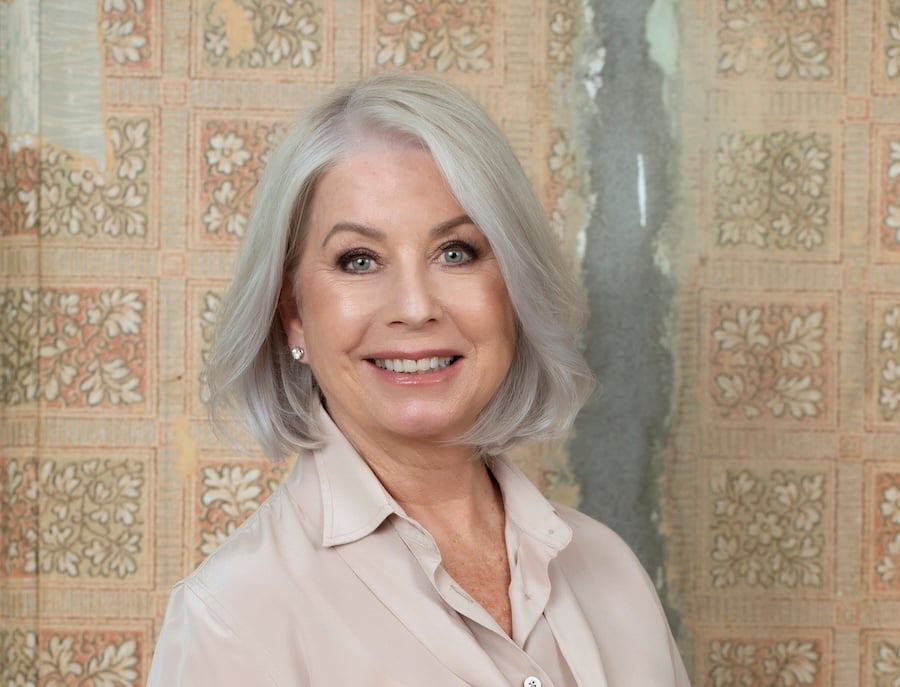
A young Deborah Pead saw Rocky Horror (R18) when it was released: “I wasn’t strictly official with my ID.”
The founder of Auckland communications agency Pead says the misfits latched on to it first. “The misfits and creatives would not go to a matinee, but at midnight? Hell yeah, we’re there.”
In the terminology of Tipping Point author Malcolm Gladwell, they were the ‘tippers’. Those who followed were the connectors, and used their networks to amplify the film even further.
Late nights worked because it made people step outside the status quo, adding a frisson of excitement. Other sectors have employed this technique over the years – from luxury stores doing previews after dark, midnight book launches or shops staying open extra late at Christmas time.
Brand collaborations also work to bring a new twist to current products. Pead points to Puma and Israel Adensanya, or Nike and Travis Scott.
Locally, she says, we can see this in Lewis Road Creamery’s partnership with Whittaker’s that turned a grocery item like milk into a luxury treat.
“This is how you stay relevant.”
One that got away
It’s a lesson Kiwi confectionery company RJ’s could have applied, says Pead. Earlier this year, it announced Jaffas would be discontinued due to declining sales. This, Pead argues, could have been the perfect opportunity for a marketing pivot.
Instead the national treat was left to wither on the shelf. “You’ve got to keep it alive. It has that sense of New Zealand that not many other products have,” says Pead.
“Design the merch, collaborate with an artist – there’s lots of different levels to maintaining a strong brand identity. Watch what people buy and ask questions, know the market and what they want.”
She acknowledges that change is brave and there are many challenges in the way – from budget constraints, to retailer limitations – but the pivot doesn’t always have to be big.
“Smart marketing is not always about the product itself, but about getting it into the right hands at the right time. Research your audience harder, find what will connect with them, then tweak.”
This story comes from NZ Marketing magazine issue 84, Sept-Nov 2025. Why not subscribe? Get four issues a year for just $50 (including delivery) if you autorenew.
Essential marketing intelligence. Don’t miss it.