
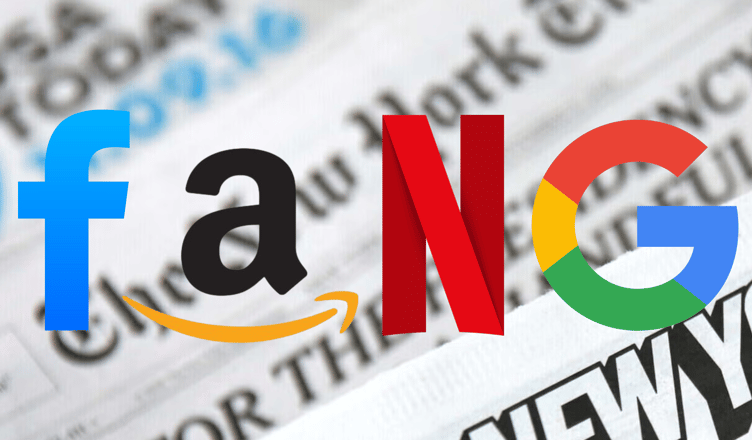
Hamish Smith, founder of PrettyGood, says SMEs are addicted to Meta, Google and co and rebalancing our media mix is good for business and better for New Zealand.
Around 97% of New Zealand businesses are SMEs, they are the backbone of our economy. But for over a decade, a huge chunk of their media spend has been poured into channels that offer diminishing returns and are quietly siphoning money offshore, with compounding side effects.
Marketing for SMEs is no easy task. Many have proper plans and budgets (typically 5% to 10% of turnover), while others take a more reactive, ad hoc approach. But there’s one thing most have in common: an over-reliance on platforms like Meta, Google and TikTok as the go-to, and often only, marketing channel.
For a long time, that made sense.
Most SME marketers grew up on digital, myself included, and these platforms became the default for media spend. If Zuck and the tech bros did one thing right, they made it easy to buy and “measure”. In the early days there were genuine advantages: low CPMs, generous organic reach and seemingly endless metrics to track performance.
Digital marketing has changed
But online attribution is a myth. And the times, they are a-changing.
Marketing on these platforms has fundamentally shifted. Rising costs. Shrinking organic reach. Rampant ad fraud. Audience fatigue. And now, we are staring down the next wave of degradation: an avalanche of AI-generated content flooding feeds and squeezing attention even further.
Despite all that, many SME marketers continue to overlook traditional/broadcast media channels. Hooked on the sugar hit of short-term metrics, but no longer seeing the returns they once did. The dopamine is wearing off, and the cost of the next hit keeps going up.
And this isn’t just hurting individual businesses, it is having a broader effect.
It is draining money offshore, weakening our local media landscape, and making it harder for Kiwi brands to build real, enduring value beyond the next click.
It is time to break the cycle.
Not by abandoning digital, but by rebalancing the mix. By making room for brand-building, for storytelling, for locally owned media, and for marketing that plays the long game.
The economic impact
In 2024, Meta declared just $7.59 million in local revenue, yet over the same period it transferred $159.4 million to Meta Platforms Ireland for “advertising services”. That’s more than 20 times its declared revenue. The tax paid on that? $831,000.
That’s a huge chunk of change that used to be invested in local publishers, broadcasters and creative talent. Now it’s being siphoned offshore through the most tax-efficient channels available. If you’re a Meta shareholder, you’re probably delighted. If you’re anyone else, the question becomes: what’s in it for New Zealand?
Sure, local media doesn’t have an automatic right to that ad spend, and many were slow to adapt. But the consequences are very real. Newsrooms are closing, media companies are scaling back, and jobs in journalism, creative services and production are disappearing.
This isn’t just a commercial casualty.
It affects all of us in profound ways, not least through the erosion of democratic oversight and growing job insecurity.
But there’s a deeper risk too: if we continue funneling our advertising dollars offshore without investing in local media, we risk losing future alternatives to the digital giants. Without sustained local support, innovative homegrown media platforms, independent publishers and diverse storytelling voices will struggle to survive and evolve. The monopoly of global platforms will only strengthen, narrowing the choices marketers and consumers have in the future.
If we truly want a vibrant, sustainable media ecosystem that serves New Zealand’s unique needs culturally, economically and democratically, we need to put our money where our mouth is. Supporting local media isn’t just good citizenship. It’s good business and essential for preserving a diverse media landscape that can offer real alternatives to Meta and its peers.
The digital plateau is real
The golden age of digital returns is fading. What used to be cheap, targeted reach is now a pricey gamble, with performance plateaus hitting earlier and harder than ever. CPMs are climbing, conversions are stalling and ROAS is under pressure across the board.
For many, the short-term returns of digital spend has worn off. Some brands are doubling down and squeezing budgets harder. Others are pulling back to reallocate toward more sustainable growth channels. Either way, the cracks are showing.
Ad fraud isn’t helping. Global losses to click fraud hit $84 billion last year and are projected to double by 2028. That’s not a rounding error. That’s billions of marketing dollars going nowhere.
Engagement is waning, trust is fraying and feeds are filling with AI slop and low-effort content no one asked for. What we’re seeing isn’t just fatigue, it’s a signal. The next phase of growth won’t come from pushing harder in digital. It’ll come from building memory, trust and distinctiveness at scale. And that means rethinking where (and how) you show up.
‘Traditional’ media: a renewed opportunity
Contrary to outdated perceptions, so-called traditional media has quietly reinvented itself. It is now one of the most effective, affordable and measurable options available to SMEs.
TV, radio and out of home (OOH) etc have become far more accessible thanks to new buying platforms, automated workflows and creative tools that let you repurpose social assets into broadcast-ready ads. What once felt out of reach is now squarely within it.
TV remains one of the best bang-for-buck channels you can use. The recent TV Paradox campaign made that clear, highlighting how TV consistently outperforms digital in reach, trust and long-term brand building, often at a lower effective cost.
OOH has also seen huge innovation. Local platforms like Youdooh let Kiwi businesses plan and book billboards, bus shelters and retail media with just a few clicks. It is local, simple to use and ideal for SMEs who want brand impact without the agency price tag.
And radio continues to deliver strong results. In 2023, New Zealand radio ad spend hit $267 million, just 5.7% below its peak. People still listen, and they trust what they hear.
And importantly, measurement has caught up. These channels now come with brand-lift studies, attribution tools and clear reporting, making performance easy to track and optimise, even on a modest budget.
If you’re after cost-effective mass reach, stronger brand recall and results you can measure, broadcast media is one of the smartest plays in the mix.
Supporting local media matters
Investing in local media isn’t just the right thing to do, it’s a strategic advantage.
Broadcast channels like TV, radio and OOH deliver something digital rarely can: mass reach, trust and brand fame. That’s the holy trinity for long-term brand building. And for SMEs, it’s often the smartest way to punch above your weight and show up alongside national players.
Allocating budget to local media supports the ecosystem that builds strong, informed communities but it also builds brands that last. Because fame doesn’t just live in the feed. It lives in memory. And memory needs scale, story and repetition – all things local broadcast does better than almost anything else.
As the media landscape fractures and trusted voices fade, the opportunity and responsibility to back local media has never been clearer.
Brand building as a performance driver
Doing good is great. But it’s not a strategy especially when budgets are tight. So what’s the business case for shifting some spend from performance to brand media?
Well a growing body of marketing science and studies support the fact that: brand marketing makes performance work harder.
The recent Awareness Advantage report from Tiktok and Tracksuit, shows that 60% of brands with higher awareness can drive conversion rates up to 2.86× more efficiently, with a sweet spot around 37% prompted awareness. So if you’re only marketing to those ready to buy today, you’re leaving long-term growth (and cheaper CPAs) on the table.
Repeat customers are the lifeblood of most SMEs and affinity isn’t built in a scroll. It takes storytelling, consistency and craft. Traditional channels still offer the canvas for that kind of long-term connection and they may just be your most cost-effective performance hack in disguise.
A call to action for SMEs
If we want stronger businesses and a more resilient local economy, New Zealand SMEs need to rethink where their marketing dollars are going.
It’s easy to assume your spend doesn’t move the needle but when tens of thousands of small budgets all funnel offshore, the collective impact is massive.
In this increasingly digital-first world a few things hold true. You can’t block a billboard, you can’t skip a street poster, you can’t miss street furniture and you can’t beat locally relevant publishers.
It’s time to rebalance. Shift from an over-reliance on digital performance to a healthier diet that includes long-term brand building and channels that help you deliver it at scale.
Because this isn’t just about better marketing. It’s about backing a local media ecosystem that keeps your community informed, your brand remembered and your business growing.