
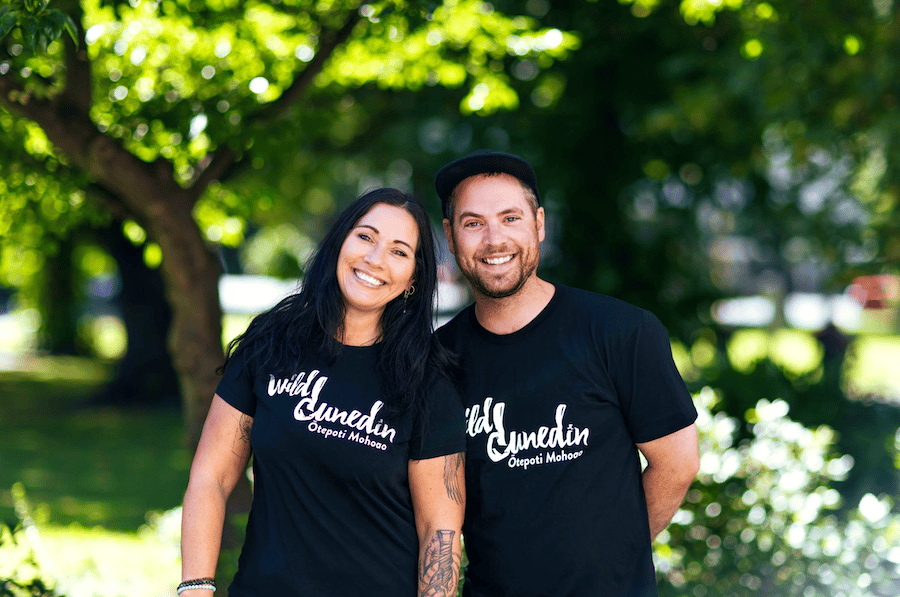
By building an always-on brand and engaging audiences beyond its traditional base, Wild Dunedin is evolving from a festival to a community that shifts perceptions and creates lasting impact, says marketing manager Charlie Buchan.
Eleven years ago, Wild Dunedin was a modest idea with an ambitious heart. Four passionate tourism operators in Dunedin set out to create something that would extend visitation into the quieter shoulder season while celebrating the region’s extraordinary natural assets.
Neil Harraway, Kerry Buchan, Norcombe Barker and Gil Abercrombie each brought deep experience across wildlife tourism, heritage, governance and destination marketing.
Their early investment was as much personal as it was financial, contributing around $3,000 collectively to launch a handful of events that attracted a few hundred people.
Not just an event
What they created was not just an event, but the foundation of a movement.
The appointment of former Natural History New Zealand production manager Jeannie Hayden as festival director in 2016 marked a turning point. With structured programming and passion, the festival began to grow steadily. Attendance increased, the programme diversified and Wild Dunedin started to gain real traction within the local community.
When I joined in 2018 as the festival’s first marketing manager, the opportunity was clear. The festival had strong foundations and authenticity, but limited visibility.
From a marketing perspective, the challenge was not the product, it was awareness and consistency. The strategy was simple in principle but ambitious in execution: build Wild Dunedin into a year-round brand, not just a once-a-year event.
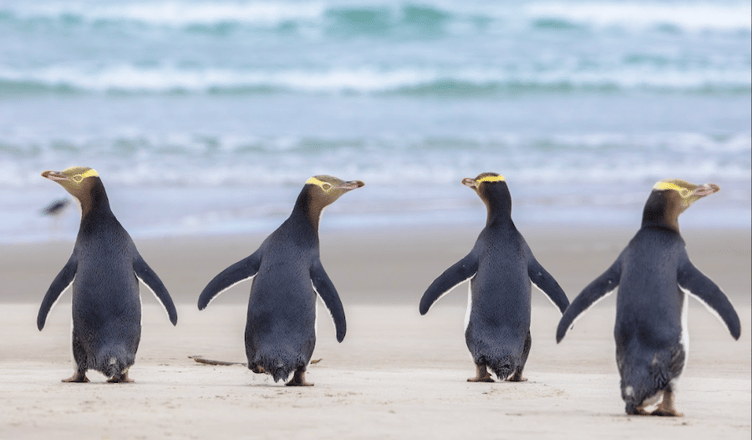
We shifted our focus to consistent storytelling. Social media became our primary channel, celebrating local wildlife, conservation efforts and – importantly – the photographers capturing some of the rarest species in Aotearoa and globally. By curating and reposting high-quality content, we created a mutually beneficial ecosystem. Photographers gained exposure, and in return we built a highly engaged audience with a shared passion for nature.
An always-on presence
That shift has been transformational.
Wild Dunedin is now visible 365 days a year. When people think about wildlife or nature experiences in Dunedin, I want Wild Dunedin to be front of mind. This always-on presence means that when the festival arrives each April, we are not starting from zero. We are activating an existing, engaged audience that already understands and values what we stand for.
Repositioning the festival as the ‘New Zealand festival of nature’ was another key step. It signalled our intent to move from a local event to a nationally recognised brand. In 2025, we attracted more than 30,000 attendees across over 150 events. A year later, we are delivering more than 200 events over 10 days, with attendance expected to grow again.
Our marketing approach has had to scale alongside that growth. With a relatively lean budget of around $40,000, being strategic is critical.
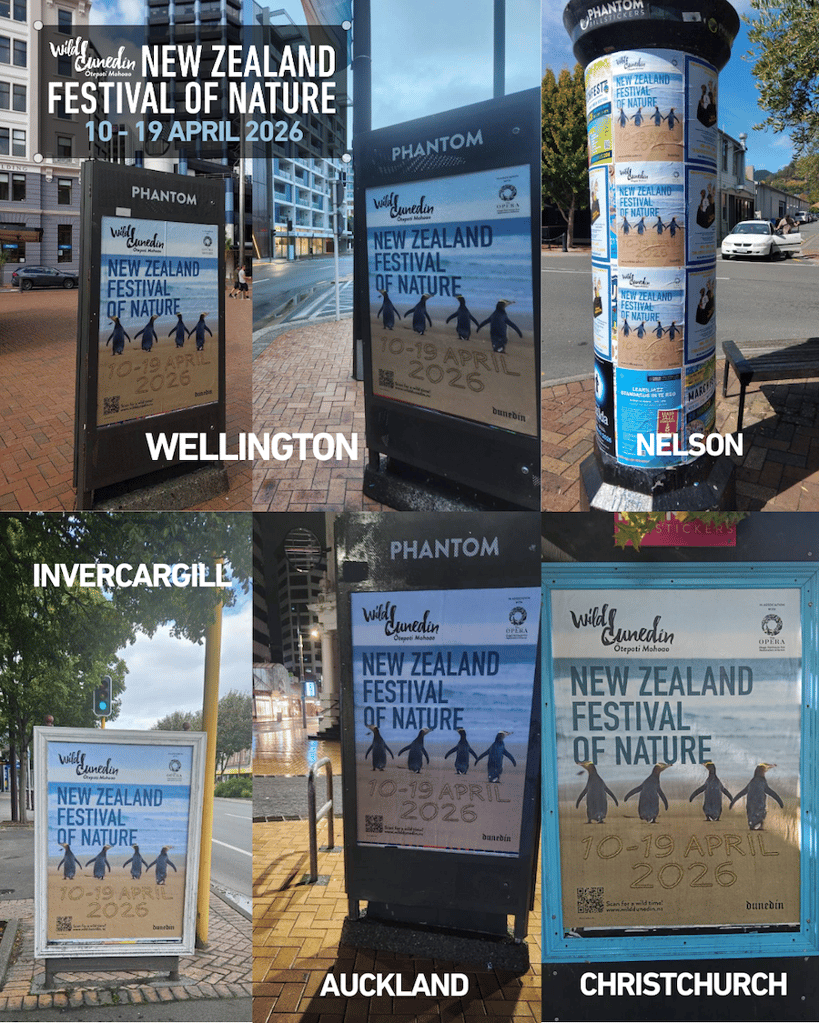
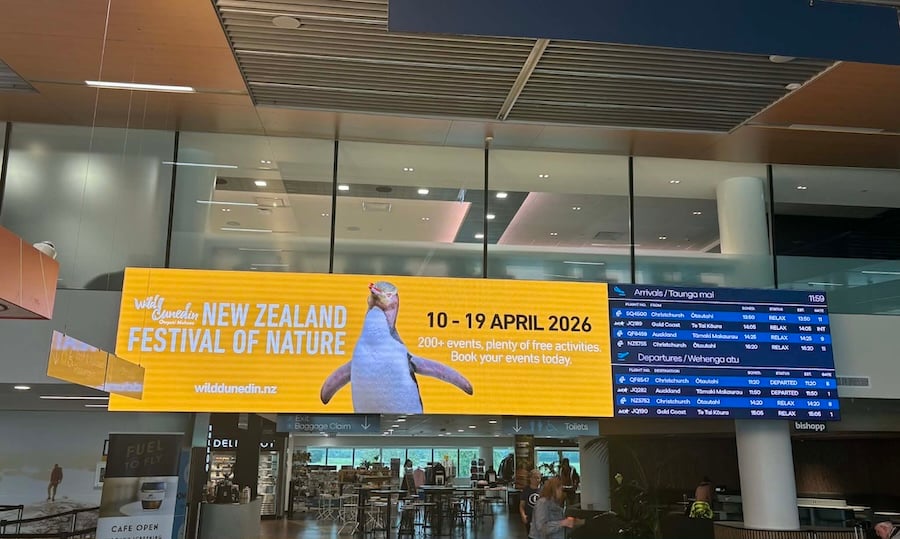
We have extended campaigns across New Zealand and into South Australia, using a mix of geo targeted digital activity, national print placements, outdoor formats such as posters and bus backs as well as strong editorial storytelling. Telling the stories behind the festival, from groundbreaking research to community led events, has helped us secure consistent national media coverage and position the festival beyond a traditional events listing.
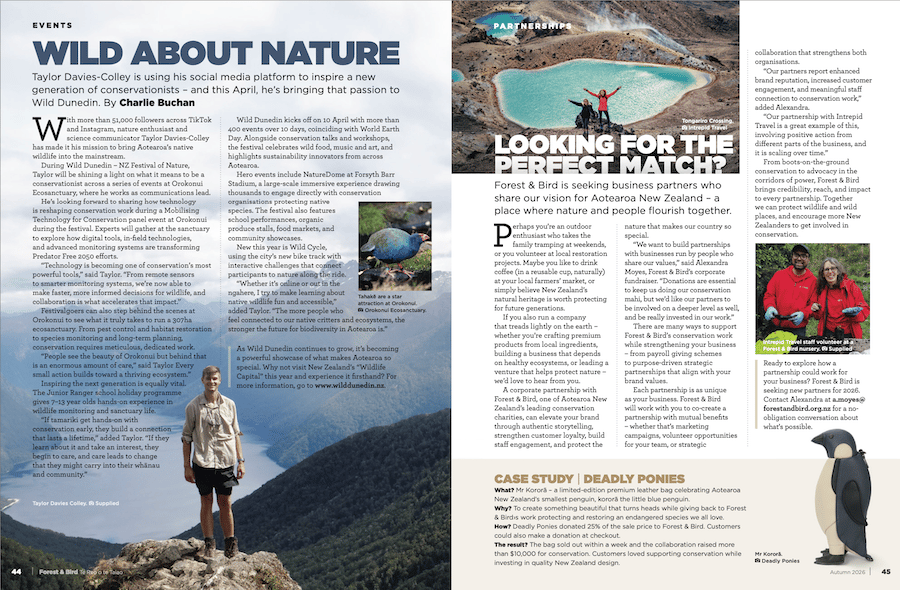
OOH and editorial storytelling play a key role in the festival’s extended campaigns.
Where real impact is made
Our audience strategy has also evolved. In the early years, building a strong local base was essential.
More recently, the focus has shifted to national awareness and broadening appeal. While our core audience remains those who love the outdoors and care about conservation, the real growth opportunity sits with what I consider the middle audience. These are people who are environmentally aware, but not yet actively engaged.
To reach them, we have deliberately introduced larger, more accessible events. NatureDome is a good example, a large-scale, family-friendly hub event that brings together live performances, sustainability-focused market stalls, food vendors and hands-on interactive experiences. It is designed as an easy entry point.
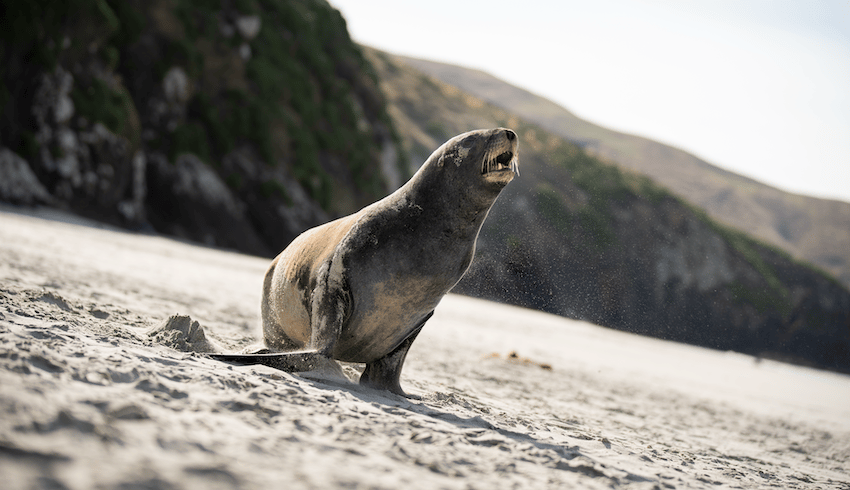
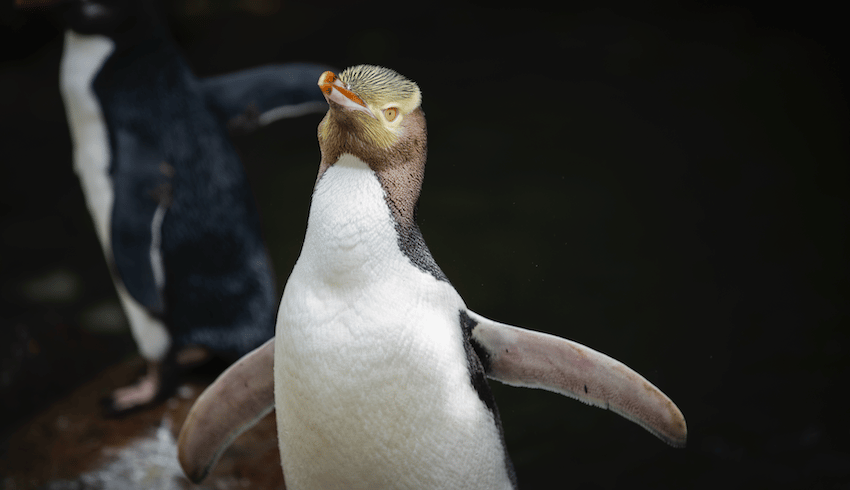
Beautiful photos celebrated local wildlife and the photographers who capture these rare images.
Alongside this, major concerts at Forsyth Barr Stadium attract thousands of attendees who may not initially come for conservation, but leave with a stronger connection to nature. For me, that is where meaningful change happens.
Ultimately, Wild Dunedin is no longer just a festival. It is a platform. It supports tourism operators, drives off-season visitation and strengthens Dunedin’s position as the wildlife capital of New Zealand. By building a year-round brand and engaging audiences beyond the traditional base, we are not only growing a festival, we are building a community, shifting perceptions and creating lasting impact, with the potential to influence everything from everyday behaviours to future policy decisions. And that is when real impact is made, when a movement is formed and the true power of marketing is at work.