
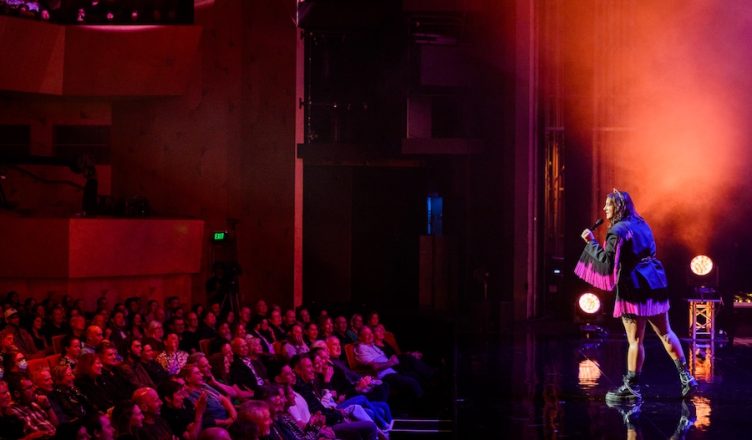
You’d think the NZ Comedy Trust is all about getting bums on seats at stand-up gigs. It is, but capturing the laughs for digital and social media is now just as important.
For Lauren Whitney, there’s nothing better than seeing people share a laugh at a comedy show.
Whitney is the former chief executive of the New Zealand Comedy Trust, which turned 30 in April 2025.
It is dedicated to developing comedy as a performing art in Aotearoa as well as supporting local and emerging talent. The annual NZ Comedy Festival is one way it achieves its mission.
“It feels like comedy is what people really need right now,” says Whitney, pointing to the divisive environment.
“And what I love most about the festival is just watching audiences connect. It’s really nice when people can sit in a room and have a collective laugh.”
Creating these moments is crucial – and increasingly challenging as the rise of digital platforms skews the playing field.
“There is a real market for comedy and it is a substantial art form in this country. But it doesn’t get a lot of funding,” she says.
“People see comedy as something that just happens really easily. Comedians work really hard to create something that looks very off the cuff. They are creative practitioners: they’re writers, they’re directors, they’re producers, they’re actors, they’re making films.”
Comedy in a digital world
The NZ Comedy Trust carried out an extensive study with Napier-based research company Folkl to investigate how comedy can thrive in the digital world.
“With the rapid changes in media, there’s a real worry that comedians aren’t going to be able to have sustainable careers,” says Whitney.
Folkl’s Digital Enablement Research project surveyed 459 Kiwis in September and October 2024 about their perceptions of the comedy sector.
It found comedy plays an important and regular role in people’s lives. An impressive 94% of those who took part went to live events. They enjoyed the shared laughter and unpredictability.
Their engagement often begins online, so a digital presence is key to a comedian’s discoverability.
The NZ Comedy Trust has created its digital enablement strategy based on Folkl’s four recommendations. They are to:
- Support comedians with content creation and exposure
- Digital literacy for a rapidly changing environment
- A greater emphasis on cross-channel approach and YouTube investment
- Make it easier to find emerging local comedians.
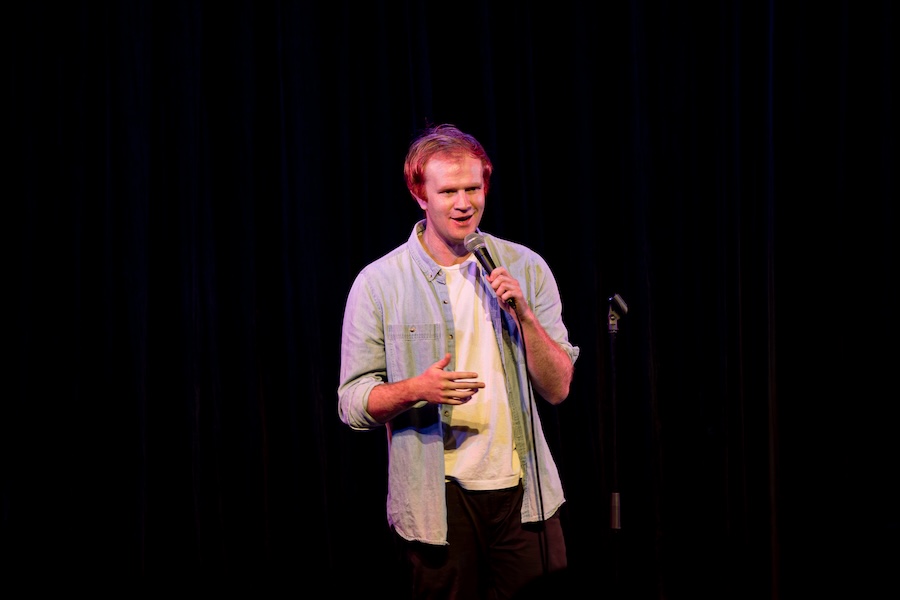
Billy T Award-winner Hoani Hotene
Strike a balance
Increasingly, the challenge for comedians is striking the balance between the digital and physical world, says Whitney.
Most comedians do everything themselves – so now as well as having to create show material, they’re also having to craft an online presence. It’s not easy to engage people and drive attendance without giving away too much of their material.
But, she adds, you know you’ve got a hit when people ask to hear your bit live even after seeing it online. “If it’s a good joke, you can watch it lots of times.”
And then comes the question of monetising online content and growing their reputation while catching the eye of recruiters or talent agents.
“If you’re neglecting your social platforms you are also potentially losing out on other work, not just audiences,” says Whitney.
“It’s a lot to think about, and it changes all the time. So just when you think you’ve smashed something, Meta changes a rule and it doesn’t share the same as it used to.
“That’s why cross-platform strategies are really important.”
The trust has been filming more live events – it’s a way of helping comedians create quality content to share online, says Whitney.
“Filming allows us to put some of those jokes and those artists on a global stage. It makes comedy more accessible.”
Footage of Hoani Hotene captured by the trust during last year’s Best Comedy Show on Earth clocked over three million views. His followers on Instagram shot up from 2,500 to 25,000.
After this year’s NZ Comedy Festival, Hotene received the 2025 Billy T Award for emerging comedy talent in Aotearoa.
Cyclical nature
Clips posted on social media act as tools to discover a comedian, but also push people to watch the full show on the host platform, says Whitney.
“So although the media is changing in the way we all engage with it, it wouldn’t work to create our own platform to put videos on.
“We know people are on YouTube, so how can we make sure our videos are created and focused in those formats?
“We’ll put a shorter video portrait on YouTube Shorts, then try and drive people to watch the full clip on YouTube,” she says.
The digital considerations affect everything from set design to when and how to share the content. The trust’s whole team – not just the digital content person – is thinking about this all the time, says Whitney
“I don’t want people to go to Hoani Hotene one time, I want people to go all the time. I want him to get other opportunities across TV, film, books, podcasting.
“So the audience we are building now is for the future – it’s not a one-time deal.”
This story comes from NZ Marketing magazine issue 84, Sept-Nov 2025. Why not subscribe? Get four issues a year for just $50 (including delivery) if you autorenew.
Essential marketing intelligence. Don’t miss it.