
Is it a compliment if thieves loot your brand and leave similar products on the shelf? Destiny Bay Winery thought so – and made it a selling point.
In 2022, robbers broke into a wine retailer in Ponsonby, Auckland. Among the 56 exclusive vintages stolen, only one was from New Zealand: a bottle of Destiny Bay Winery’s signature red, Magna Praemia 2015.
Theft is not something brands typically like to shout about. But Destiny Bay saw an opportunity to use this story to its advantage.
It already had a premium reputation at home, and the Waiheke Island winery was looking to grow its presence across the ditch. Owner Mike Spratt had plenty of ideas to achieve that, including one inspired by the 2022 wine heist. The aim? To show Destiny Bay as a wine worth stealing.
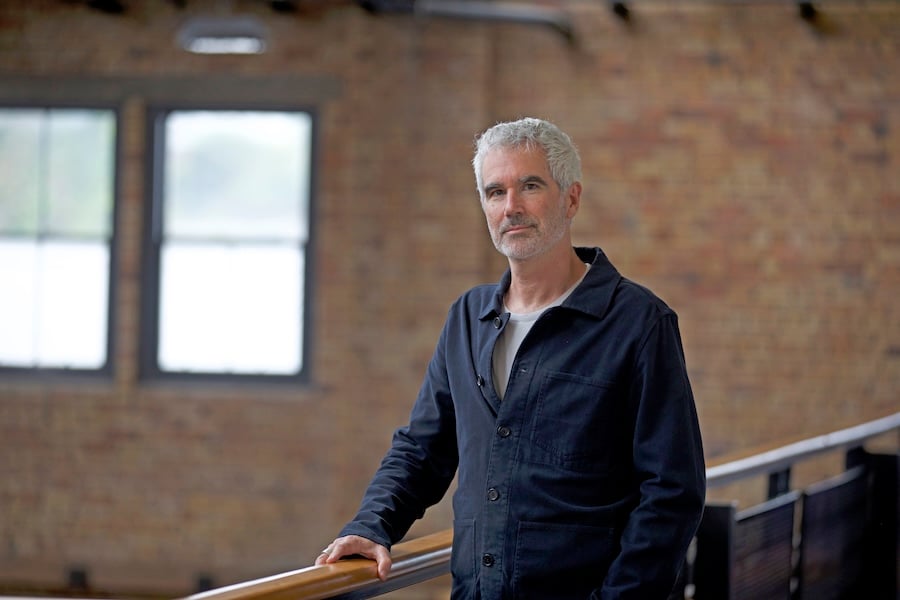
Saatchi & Saatchi NZ creative chair Steve Cochran (formerly chief creative officer) says he remembered the incident when Spratt brought it up.
“It was a story I was generally aware of because it was quite a high-profile burglary in Auckland,” he says. “It felt like a very targeted burglary – they’d taken only premium wines, which speaks to how highly regarded Destiny Bay is.”
Cochran adds that Spratt is a great storyteller himself: “He’s the kind of brave client who didn’t want generic, clichéd wine advertising. He wanted stuff that stood out.”
Destined to be stolen
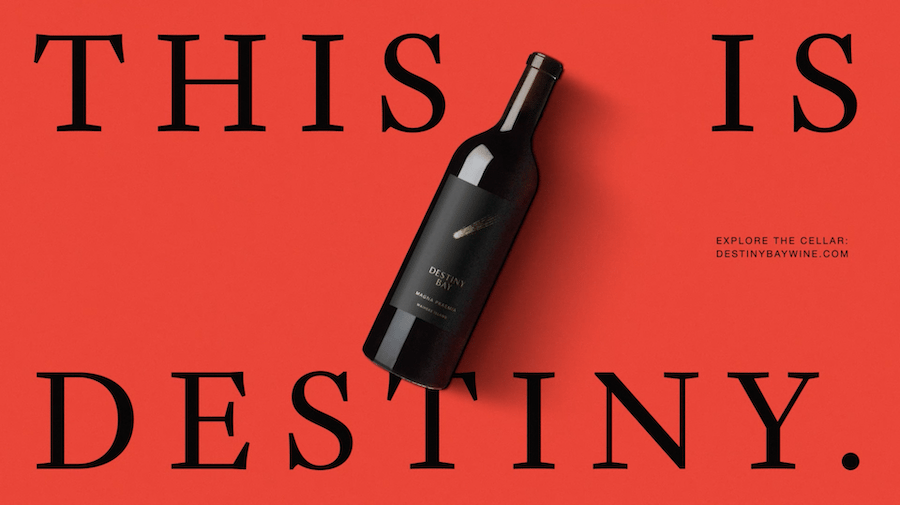
In early discussions, Spratt shared stories about Waiheke’s unique geology, which produces grapes with distinctive character, as well as his journey from California to New Zealand and his discovery of the land that became Destiny Bay. Together, these experiences have shaped a narrative of serendipity around the brand’s premium wine, underpinning its latest creative platform, ‘This is destiny.’
So where does Spratt’s wine heist idea come in? “In the sense that that particular bottle of wine was destined to be stolen,” Cochran laughs.
“Their wines are on the wine lists of many exclusive restaurants around the world, and there are also private buyers. We know they’re enjoyed by a range of celebrities and royalty – but also, in this case, by thieves. There’s a certain romance to that, which ties back to the idea of destiny and how it can play out in different ways.”
Not gonna snatch it
Since Saatchi & Saatchi NZ didn’t have rights to the original CCTV footage, they had to get creative in delivering Spratt’s vision.
“This is one of the first – possibly the first – moving-image video that Saatchi & Saatchi New Zealand has made using purely AI,” says Cochran. The decision to use AI reflects Cochran’s curiosity about emerging tools.
“We’re all curious about these new tools and what they enable us to do, so it was a decision to play with and experiment with them.”
He says the approach is progressive and aligns with Destiny Bay’s ethos of bringing traditional winemaking methods into the modern era.
“Destiny Bay blends time-honoured techniques of grape growing and fermentation with modern science and technology to produce consistently superb wines. There’s a parallel in how we use modern AI tools to enhance our storytelling.”
Trial and error
However, with AI-generated visuals, prompts often produce unexpected results, making it a process of trial and error, says Cochran.
“It’s all about putting prompts in and then just crossing your fingers. It can be quite time-consuming.
“Lots of little iterations make you go, ‘Hey, what is it thinking? Why would you do that?’ It took a lot of discovery and learning to get what we were happy enough to run with.
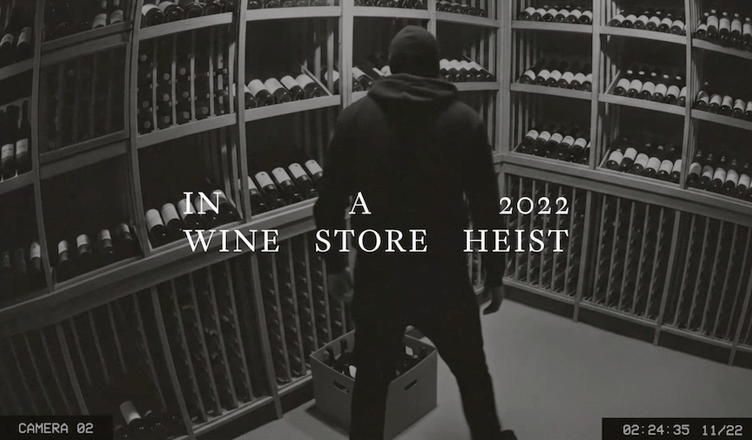
“What we created looks quite different from the original footage, but we kept it dimly lit and styled it as if it were from a locked-off CCTV camera. It shows a man in a balaclava taking the wine off shelves and putting it into a box to take away. So it’s accurate in that sense,” he adds.
Ideas still lead
“AI enables smaller brands to produce higher production work,” says Cochran, though it comes with caveats.
“I think there’s still a transition happening in the world in terms of acceptance of AI, and what’s deemed OK and what isn’t varies from person to person. It’s a tricky one to navigate, for sure.”
For him, it comes down to intent.
“I think if you’re not trying to fool anybody, there’s a rationale for it. For us, the actual footage is available if you search hard enough, so it’s not like we were trying to perfectly replicate it. It was definitely a recreation based on a true story.”
And when it comes to making great work, he says original ideas still reign. “Just because you’ve got a flash tool that can make it look good doesn’t necessarily make it engaging or relevant.”
The fact the heist happened in real life gave the campaign a natural edge.
“This kind of approach needed to come from an authentic story. If we made it up, it probably wouldn’t have hit as hard. A couple of comments I saw said, ‘This is how you should market wine.’”
Cochran adds that being part of the project felt groundbreaking: “It’s about finding new ways to talk to a very familiar category. Maybe we were fortunate to have a story like this that was a little bit spicy, which not every brand has.”
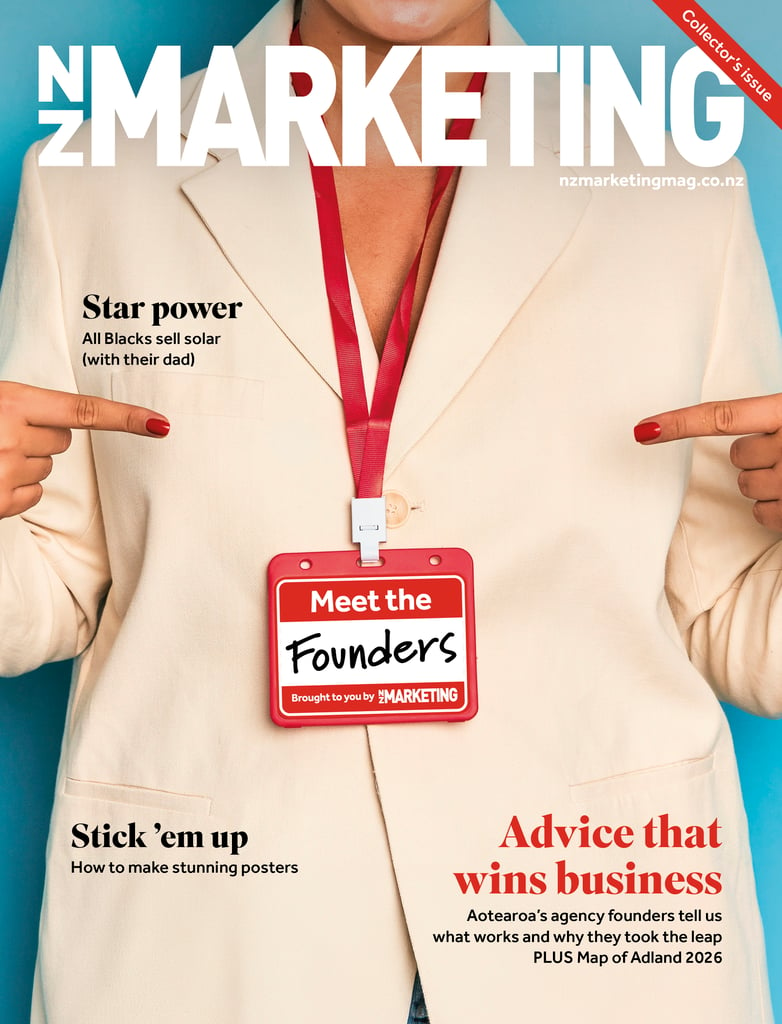
This story comes from NZ Marketing magazine issue 87, June-August 2026. Why not subscribe? Get four issues a year for just $50 (including delivery) if you autorenew.
Essential marketing intelligence. Don’t miss it.