


Are we there yet? Getting closer to where we want to be makes us feel in control. And brands that help us make these dopamine-inducing small steps are rewarded with trust, emotional connnection and loyalty.
To progress is to be human. It’s at the core of who we are. Our species survived by being adaptable. In the face of an abnormally cold winter, a drought, or food shortages, early humans didn’t just give up. They adapted and made progress towards an evolved way of living.
Progress makes people feel in control of their lives. It feeds an internal narrative about our identity as someone who makes progress, grows and succeeds. So, during times of uncertainty, progress is essential.
A gap in optimism
For our first temperature check on the mood of the nation in 2025, TRA investigated how New Zealanders and Australians view progress. Across both countries, the picture isn’t positive at a national level. In Aotearoa, only two in 10 think the country has progressed in the past two years – and more than four in 10 think it’s gone backwards.
But something else emerged. Despite the lack of optimism at a national level, people see their own progress in much more positive terms. As individuals, people keep pushing forward. Four in 10 told us they have personally made more progress compared to two years ago, and 45% believe they’ll make more progress a year from now. The under-34s are even more optimistic, with 60% believing they will make more progress in the following year. In the context of the human need to feel like we’re progressing, it’s not surprising that people strive to make progress even when the environment isn’t conducive to it. Even a small win provides a dopamine hit – people said they find a sense of progress in everyday moments, such as going to the gym or getting the bills paid.

The sticky middle
So, if the nation’s progress isn’t aligned with people’s ambitions, who can support them? People see an opportunity for brands. Eight out of 10 think brands have a role to play, and the research identified several roles they can take.
Brands innovate, and people see that. They advertise their achievements, which signals momentum – the force that people gravitate towards. But, to do this well, brands need to read the room. Signalling progress isn’t all about financial success – it’s a lot more complex than that.
The importance of being honest
So, how can brands do this well? First, remove barriers to progress. People told us that it’s not only about what a brand offers, it’s how they show up – almost all (98%) of people ranked ‘honest communications’ as an important action brands can take to help them make progress. Why? When brands are authentic, it reduces people’s cognitive load because it increases trust and confidence. Honesty helps people feel in control, while authenticity aligns with the personal nature of their experience of progress.
What do people mean by honesty? They told us that one of the most important things is acknowledging the people who help you move forward and achieve success: your employees. People value companies that treat their employees well; it’s a reassuring message. They also told us that signalling progress shouldn’t be about financial success, it will make people cynical. And to really show you’re authentic? Be upfront when you get it wrong, be real and acknowledge your flaws.
Ultimately, our temperature check on the nation found that people value small steps of progress – small steps that they often keep to themselves or share with people they are close to. When we engage with brands that show momentum and demonstrate honesty, we feel supported in our drive for progress. Brands that back this will create emotional connections, build trust, differentiate in a competitive market and unlock a positive feedback loop. In other words, they will build loyalty.
Six ways to support progress
We know brands can help people feel in control, like someone who is making progress, and this will trigger a positive feedback loop that builds loyalty. There are many tangible ways to do this, whether through the design of specific products/services, improving customer experience or communications.
Here are six key themes we identified:
- Celebrate the big and small
The survey showed that people signal their progress in small ways, and often this isn’t on social media. In rank order, they will: tell a family member, tell a close friend or thank someone. Cadbury’s Made to Share is a good example of a brand that employs the idea of ‘thanking someone’ for contributing to their progress. - Create a community
People acknowledged that making progress is something that can be achieved together. For example, The Warehouse Group’s ‘Every Little Bit Helps’ initiative encouraged customers to make small, positive changes by purchasing eco-friendly products and participating in sustainability challenges. The initiative provided community support through social media platforms, where people could share their progress, be inspired by others and receive rewards for their contributions. - Incorporate personal development
Progress can be built into other products and services to create positive feedback loops by reinforcing behaviour that achieves progress and make us feel good – even if you’re not a health app or a savings scheme. For example, the ‘Better Driving, Better Lives’ initiative in Australia launched by the Royal Automobile Club of Victoria combined road safety with personal development. - Encourage through storytelling and inspiration
Other people’s progress inspires us, it aligns with our own identity as someone who makes progress. For example, Bendon used its platform to show the personal growth journeys of women from diverse backgrounds. Through its ‘Celebrate Your Progress’ campaign, the brand celebrated women who took steps towards body positivity, self-confidence and health. - Provide clear, actionable tools and resources
Tools make people feel in control. Brands don’t have to go it alone. They can use partnerships. Woolworths’ collaboration with the Heart Foundation to offer Healthy Heart Check products promotes heart-healthy eating. They also encourage customers to choose products that align with better health outcomes through visible in-store signage and online tools. - Offer incentives for small steps
Progress may be in small things, but people still need to feel rewarded, the dopamine will still hit. Telstra customers in Australia, for example, earn Telstra Plus points for everyday activities such as paying bills on time.
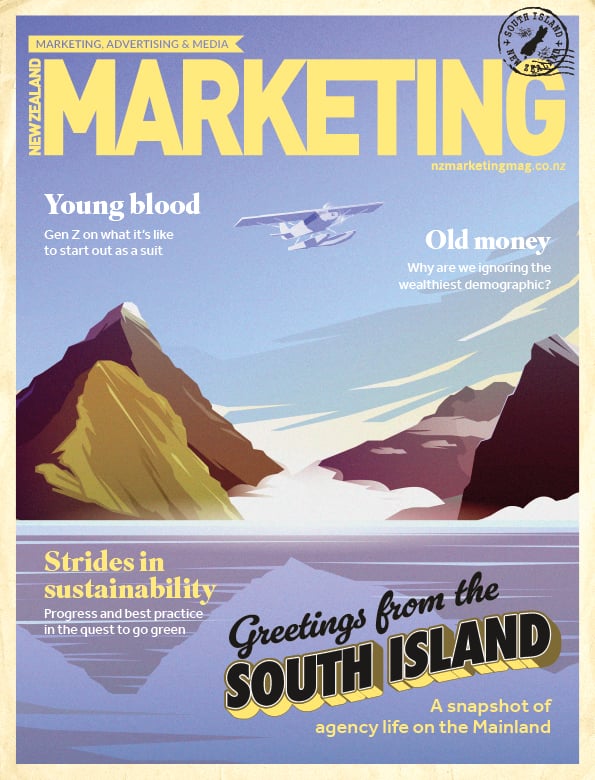
We’ll publish the rest of this story in a few weeks. In the meantime, you can read the full version – and the whole of issue 83 – for less than the price of a coffee. Sign up to the digital edition for just $20 for a whole year. That’s just $5 an issue.