

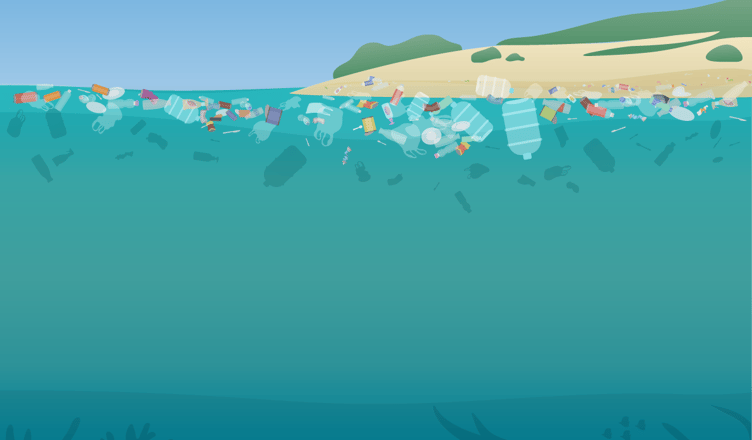
If packaging is a brand’s “silent salesperson”, what does a tattered wrapper littering the beach say about you? Ad Net Zero’s Jenn Gunn on an initiative to avoid this negative exposure… and measure it.
Imagine this: it’s a classic Kiwi summer day. Towels down, chilly bin open, kids racing toward the water. And there, tangled in seaweed at the shoreline, is your packaging.
Logo clear. Colours unmistakable. A little crumpled. Slightly sun-bleached. Definitely not on brand.
Congratulations! You’ve just launched the worst out of home campaign in the world.
When packaging becomes pollution
Roughly 40% of all plastic pollution comes from packaging. In other words, the very asset meant to carry your brand into homes is also one of the biggest contributors to beach litter.
And New Zealanders are noticing, in part because of how jarring it feels to stumble across something ugly and out of place while enjoying leisure time.
An extensive litter audit across seven regions, supported by a nationwide survey of beachgoers, found that half of people specifically recall a time they saw litter along the coast.
Even worse for your brand’s equity, the same survey conducted by Nielsen found 17.4% of Kiwis could specifically name the logo they saw lying on the ground.
Turns out, the worst out of home campaign you’ve ever run isn’t the one with poor creative or low dwell time – it’s the one you never booked.
The cost of being seen in the wrong place
An award-winning study from Manchester University – validated locally by the Nielsen survey – confirms what most of us intuitively understand: when consumers see branded litter
- perception scores drop
- intent to purchase falls
- and their willingness to pay is reduced by 2%.
Across categories with tight margins and fierce competition, even a 2% drop in willingness to pay is material. Layer that over declining purchase intent and lower perception scores, and you’re looking at a slow leak in brand value – driven by exposure you never planned.
This makes sense: pride in our coastlines is an important part of our national identity. Kantar’s Better Future Report shows that pollution in lakes, rivers and seas is the top environmental concern for Kiwis. And New Zealanders are increasingly aware of the health implications of microplastics in our food and water supply.
So when your logo is spotted tangled in seaweed or drifting in mangroves, it’s not a neutral media moment. It’s an emotionally charged one. And we marketers know the impact of an emotional brand moment.
‘But we made it recyclable…’
Many brands are working hard to improve packaging by reducing virgin materials, designing for recyclability, cutting unnecessary components and exploring reuse. All essential steps.
But the Ministry for the Environment notes that litter occurs in a range of situations, including waste blown out of bins, dumped beside full bins or lost during waste and recycling collection. In other words, even well-designed packaging can escape the system.
That leaves brands in a challenging position. You can improve the product. You can optimise disposal guidance. But you can’t eliminate every pathway to litter. That means marketers need to consider how packaging performs at end-of-life as well as on the shelf.
If packaging is media, then end-of-life must be considered as part of the campaign.
Enter the Reverse Media Schedule
Sea Cleaners have developed a concept dubbed “Reverse Media Schedules”. The initiative is in collaboration with Ad Net Zero supporters dentsu and JCDecaux, and backed by data from Nielsen.
For 23 years, Sea Cleaners has worked across New Zealand’s waterways, mangroves and storm drains. They’ve removed hundreds of thousands of pieces of litter and operate as silent, thankless brand protectors.
The Reverse Media Schedule flips a familiar logic: traditional media metrics like reach, frequency and impact are used not to measure exposure gained, but exposure avoided.
By removing branded litter before the public sees it, they estimate the brand value protected by reducing negative exposure. They use stats from an extensive audit of Sea Cleaners litter collections, plus a nationwide Nielsen survey of beachgoers, overlayed with data analytics.
Once the value to each is calculated, brands are invited to contribute a portion of that figure to fund further clean-up efforts.
Nielsen found 76% of people said that a partnership with an NGO like Sea Cleaners would improve or significantly improve their perception of the brand.
Participating brands also gain access to litter stats, location data, insights and “proof of un-posting” – images of where their packaging was removed from.
For marketing teams, it brings visibility to a hidden part of the brand journey, opening up new opportunities to engage customers. This data can inform environmental, social and governance (ESG) reporting, as well as regional packaging adjustments and sustainability storytelling.
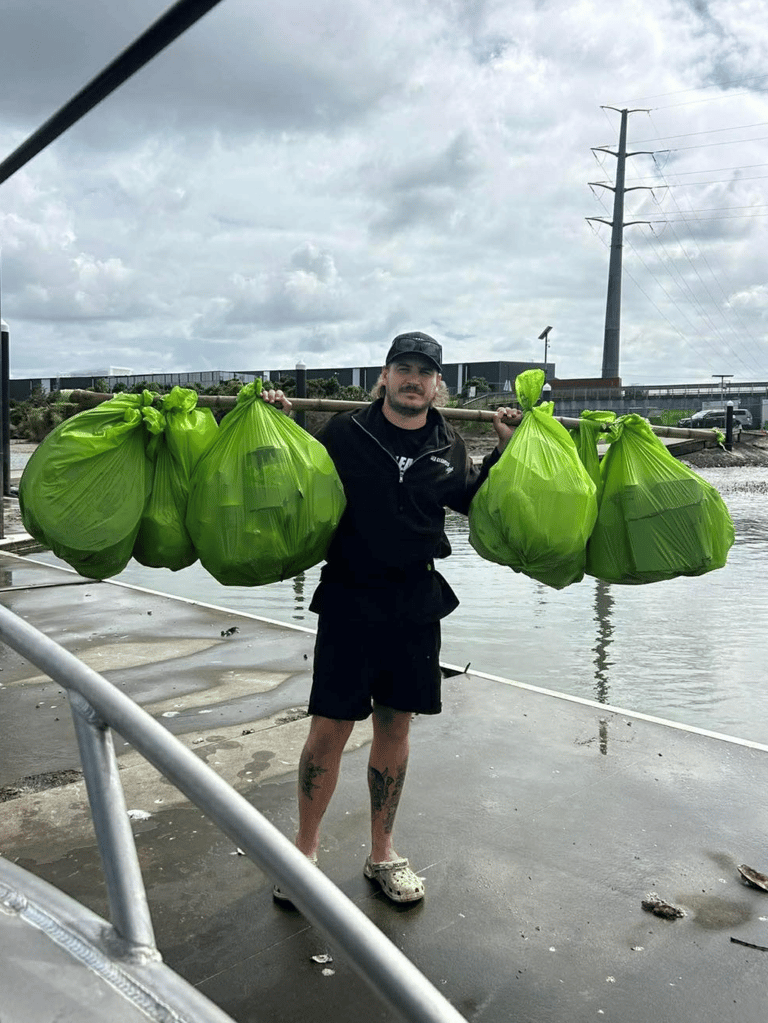
The Sea Cleaner crew have been picking up litter in our waterways for 23 years. The Reverse Media Schedule measures this negative exposure for brands and invites them to help fund future cleans ups.
Pollution is a brand performance issue
For marketing professionals, the message is clear: when your packaging becomes litter, your brand’s perception suffers. End-of-life considerations must be integrated into your packaging strategy, in order to safeguard brand value.
Fortunately, trusted Kiwi partners can help you address this challenge – enhancing your corporate citizenship and providing new insights into your product’s journey beyond point of sale. Start your research at reversemediaschedules.com

This story comes from NZ Marketing magazine issue 86, March-May 2026. Why not subscribe? Get four issues a year for just $50 (including delivery) if you autorenew.
Essential marketing intelligence. Don’t miss it.