
Above: Earned media is a priority for Charlie Buchan and the rest of the award-winning team: content creator editor Alice Waterman and digital marketing co-ordinator Max Levitt-Campbell.
When your team is tiny, every marketing dollar has to stretch. Charlie Buchan on how Tūhura Otago Museum make waves around the globe.
Marketing isn’t always about who has the biggest budgets or the most extravagant campaigns. At its core, marketing is about making noise, getting eyes on your product or work and building engagement and awareness around your brand.
Of course, global giants like Coke or Netflix have household name recognition and budgets in the billions. But a big budget doesn’t automatically mean a good return on investment. Sometimes smaller, smarter campaigns can achieve just as much.
At Tūhura Otago Museum, our marketing team of three runs on the smell of an oily rag. Our responsibilities are enormous: not only do we handle advertising, promotion, media and communications, we also run the museum’s tourism efforts. And we’re involved in proofing and fact-checking everything from exhibitions and blogs to research and documentation. It’s a huge workload for our very limited resources, but we’ve learned how to make every dollar stretch further.
The key is speed and efficiency. Once our weekly priorities are ticked off, we dedicate our energy to thinking creatively and strategically. The museum has diverse products and experiences that appeal to different audiences.
We not only market the museum, but also our commercial offerings – such as the Tropical Forest, Planetarium, events spaces and shop – as well as education and outreach, events and community programmes, plus our research, collections and conservation work.
Communicate, collaborate
Communication is crucial. We look for anything we can make into a PR story, showcasing the museum’s work without spending a cent. In 2025, this resulted in earned media coverage in 297 regional, national and international media outlets – a huge boost at no cost. We work closely with exhibition and events teams, thinking about media angles from the outset. And we target audiences as soon as new work is planned.
Partnerships are vital. We collaborate with organisations with strong reputations and networks, such as schools, local community groups and national or international icons. For example, the museum has built strong relationships with schools across Otago, Southland and Canterbury. We send regular newsletters in schoolbags, and even drop biscuits off for teachers – small gestures that build strong, ongoing connections with a key audience.
Creating “noise” is another important factor. From social media posts that generate organic interaction, to eye-catching activations around the city, we make sure people are talking about us. In 2025, we reskinned the main Dunedin city signs, hosted pop-up exhibitions in malls and at the airport and collaborated on national campaigns such as Bird of the Year with Helen Clark and Dr Jane Goodall.
Our events are deliberately unconventional, too. We host late-night parties called After Dark, themed around pop culture moments like Love Island or Halloween. Here the museum is fully immersive with actors, shows, cocktails and workshops. For families, we run Pyjamarama, where children explore the galleries in pyjamas, torches in hand, teddies in tow. These events don’t cost much, but they sell out, create buzz and generate valuable social media content as attendees share and tag.
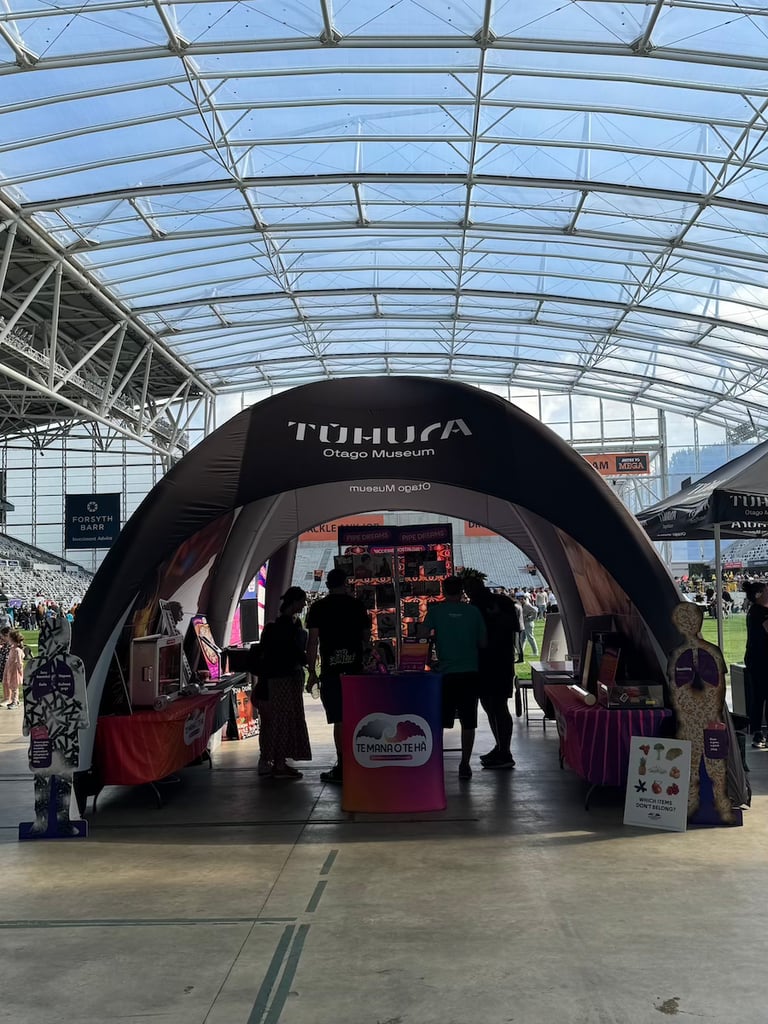
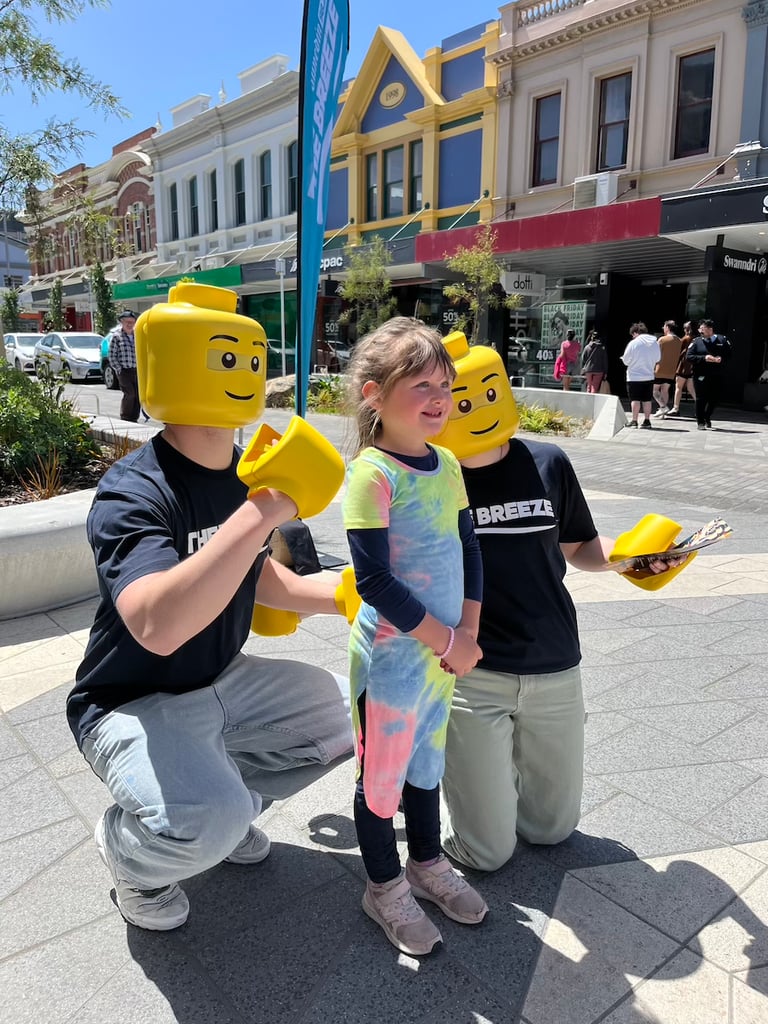
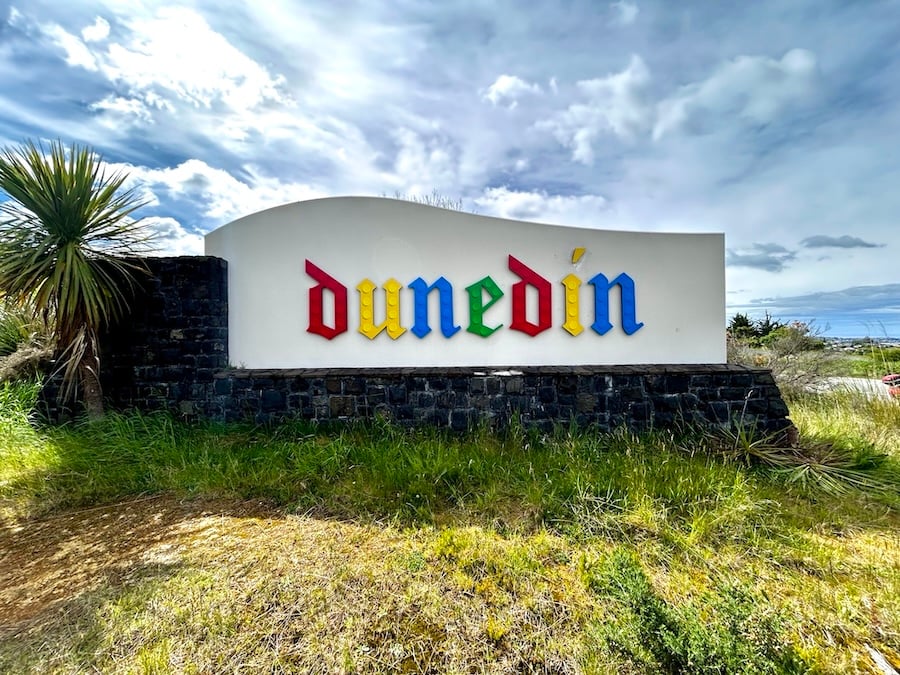
Generating buzz and getting the city talking is an important mulitplier for the Tūhura Otago Museum team.
Can AI help?
Many creatives get nervous about AI, but we’ve found it can actually make us far more efficient and effective. AI doesn’t replace ideas or creativity, it helps streamline operational and time-consuming tasks, freeing us up to focus on clever activations and innovative campaigns. Whether it’s speeding up internal processes, assisting with data handling or helping format communications, it’s become a quiet force multiplier that makes a small team punch well above its weight.
When working with a small budget, the main focus should always be on differentiation. A product, exhibition or event that stands out will be easier to promote, sell and advertise. Building a strong, loyal brand is equally important. When people know your offerings are high quality, accessible and varied, they’re more likely to return. Museums are often a once-a-year visit, but at Tūhura, locals visit often.
Think smarter, not harder
Understanding your audience is critical. When I began this job, I was told it was families and academics. I soon realised our audience is everyone. Tūhura is 50% publicly funded, so we must generate the other 50% ourselves. This requires reaching a broad demographic through diverse exhibitions and events. Over the past five years, we’ve hosted sold-out events for seniors, student-focused events and experiences that introduce younger generations to the world of museums.
It’s better to think smarter, not harder. You don’t need to throw thousands at a social media campaign. Instead, focus on organic engagement, creative ideas and taking advantage of pop culture moments. When extra budget is available, your campaigns are even stronger because you already have a loyal and engaged audience to amplify your message.
Our team acts fast, adapts quickly and makes sure we take advantage of everything happening in the city, region and world – maximising opportunities for exposure. With a small, strategic and creative approach, even a tiny team with a limited budget can make a big splash.
This story comes from NZ Marketing magazine issue 86, March-May 2026. Why not subscribe? Get four issues a year for just $50 (including delivery) if you autorenew.
Essential marketing intelligence. Don’t miss it.