
Vistar Media’s Sandra Scott on how a smart combination of direct and programmatic out of home delivers impressive results.
Out of home advertising in New Zealand has come a long way.
What was once considered a static awareness play is now one of the most dynamic, data-rich media channels available to brands and retailers. The launch of knOOH, the country’s first unified OOH measurement system, has brought powerful validation to the medium, offering transparency and confidence to advertisers ready to lean in.
But as more marketers explore the benefits of programmatic digital out of home (pDOOH), there’s still a common misconception: that programmatic and direct OOH are competing options. In reality, the strongest results come from using both, side by side. A hybrid OOH strategy delivers reach and relevance, scale and smarts, brand building and conversion uplift.
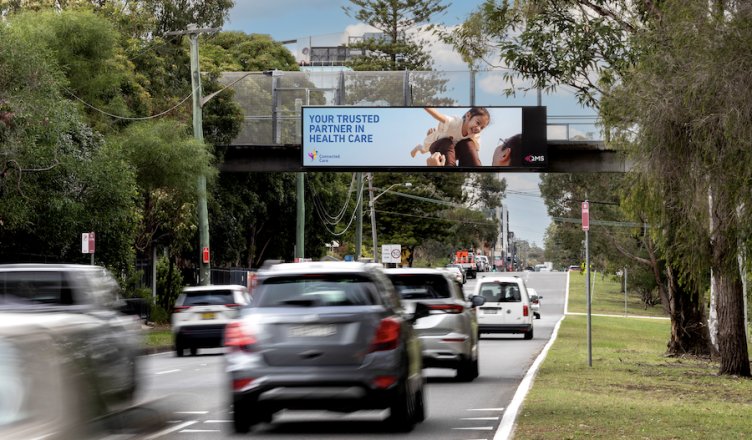
We saw the power of combining programmatic and direct OOH play out in a campaign across the Tasman, involving Vistar Media, UM and a leading health insurer. With the goal of growing brand presence and driving measurable business outcomes, the team adopted an integrated approach, pairing the mass reach of traditional billboards with the agility and intelligence of programmatic.
Approximately 90% of the budget went toward direct OOH, supporting high-visibility locations across major city corridors. Meanwhile the remaining 10% was deployed programmatically, using real-time audience data to target screens in high engagement locations such as gyms, retail centres and transport hubs. This data-led approach ensured investment was spent smarter – reaching audiences when and where they were most likely to be receptive.

Programmatic is a performance multiplier
Despite representing a smaller share of the budget, the programmatic portion delivered a 44% higher conversion rate than direct OOH alone. Even more impressive, consumers exposed to both direct and programmatic touchpoints converted at a 72% higher rate than those who saw only static placements.
This campaign shows that pDOOH isn’t just an agile add-on, but a performance multiplier. By making use of real-time behavioural signals, the team optimised placements dynamically, based on audience movement and time-of-day patterns. Crucially, the results were validated using real-world data, providing clear insight into each channel’s impact and guiding smarter budget decisions.
As a result, the brand has shifted its ongoing OOH strategy to an 80/20 split, with programmatic now forming a core part of its media mix.
More transparency with knOOH
This shift signals a valuable lesson for marketers in New Zealand. As measurement tools like knOOH improve transparency, and planning platforms make it easier to manage both static and digital formats, now is the time to rethink your OOH approach.
In 2026, as OOH continues to evolve – becoming more connected, responsive and measurable – the most effective strategies will be those that embrace its full potential.
Combining the broad reach of traditional placements with the precision and agility of programmatic allows marketers to create campaigns that are not only seen, but acted upon.
This story comes from NZ Marketing magazine issue 86, March-May 2026. Why not subscribe? Get four issues a year for just $50 (including delivery) if you autorenew.
Essential marketing intelligence. Don’t miss it.