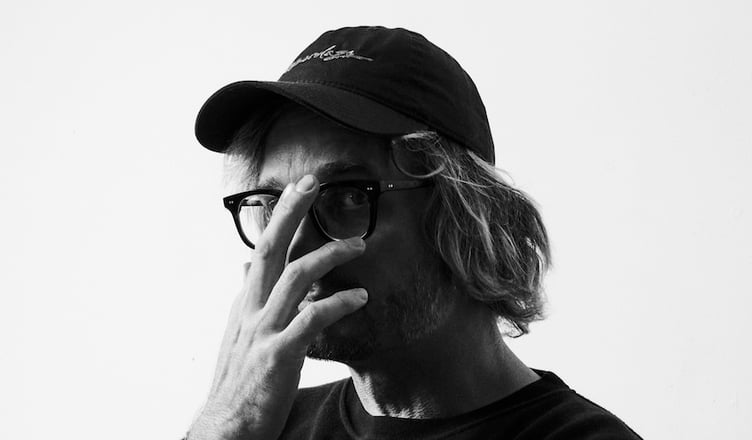
As a student, David Farrier swapped med school for journalism. Turns out he traded organ dissection for eviscerating the powers that be.
Not everyone likes what journalist David Farrier has to say. Perhaps not surprising, given he writes about everything from Christianity and megachurches to fascism and ICE protests.
He faced legal threats while making his first documentary, Tickled, and had a temporary protection order in Mister Organ. In June, he challenged RNZ over misgendering and deadnaming Alex, a young trans man who starved to death in 2023.
But, having been “very online” since the age of 17, he’s built a thick skin: “I got very used to internet culture and to trolls very early on. That set me up to be pretty stoic about the crazy shit that can head in my direction. I just make sure I get out and touch grass as much as I can.”
He never expected to become a journalist. He went to Auckland University aiming to study medicine. Though he quickly realised it wasn’t for him.
“I wasn’t smart enough, I wasn’t great at dissecting rats and organs.”
It was “rabid and stressful”. “People would tear pages out of the short-term loan books in the medical school library.”
In that first year, he found comfort writing for student magazine Craccum and doing news at campus radio station 95bFM.
“I’d always been intrigued by the likes of Louis Theroux, who I was deep into at the time,” says Farrier.
Strangely enough, Theroux and Farrier even look alike (media in Aotearoa had a field day when they met in Auckland for the first time in 2020).
His career path is also similar to that of the British documentary maker.
But, he says: “Journalism was this thing I knew about, but never thought I would work in.”
Mostly because he was a “super nerdy shy kid” who was homeschooled before attending a private Christian high school in Tauranga.
Moving to the big smoke for uni was a shock to the system: “Having all these different opinions and ideas around me. And for some reason, I just gravitated towards wanting to write. That forced me to meet people and find ways to be less shy.”
It sounds cheesy, he says, but seeing broadcasters John Campbell and Carol Hirschfeld in Albert Park one day in that stressful first year sealed the deal.
“I was like, f…! I should try this journalism thing. And so I went across the road to AUT and enquired about their journalism programme.”
Lived experience
He “pretty much” failed the radio and TV portions of his degree, but a volunteering gig with TV3 gave him “lived experience” in the newsroom.
“Man, without TV3, I wouldn’t be doing anything that I’m doing now,” says Farrier. “That was everything to me.”
He went from autocue operator to working on the news desk, then “the best job I will ever have in my life” – arts and entertainment reporter on late night news show Nightline.
“I got to meet a bunch of my heroes doing that job. But then it was also getting into the things I’m more interested in now… little subcultures and off-the-grid stories,” he says.
In 2014, he made Tickled, a documentary on competitive endurance tickling and its legal and ethical issues. There were legal challenges, but it did “relatively well for a weird niche documentary”.
“That’s when I decided to go freelance and see what else I could make.”
In the years that followed, he wrote for The Spinoff and produced two more documentaries, Dark Tourist and Mister Organ.
Then, in 2020, a chat with his friend Hamish McKenzie led Farrier to Substack, the writing platform McKenzie co-founded.
“I suddenly had a place where I could do the kinds of investigative writing and weird musings and rabbit holes that I like doing.”
He called it Webworm. “And there was an audience for it. It was a guilt-free way of writing in a way where my main stuff wasn’t behind a paywall, but if people had money they could pay for it.”
Substack was really good, he says. Until it wasn’t.
In November 2023 and January 2024, The Atlantic published articles about Substack’s “Nazi problem”: the platform’s hands-off content moderation policies were allowing white nationalists to air their message.
This didn’t sit well – and many of his readers were being pushed some “pretty dicey content”.
Not taking over the world
In August 2025, Farrier moved to Ghost, which has “a much more solid approach to moderation”.
It’s been a scary yet empowering transition. “But I have a greater piece of mind to be much more independent,” says Farrier.
Besides, he doesn’t want Webworm to take over the world – he feels “super lucky that anyone reads it”.
He’s grateful for his community – even when they disagree, comments are polite and informed.
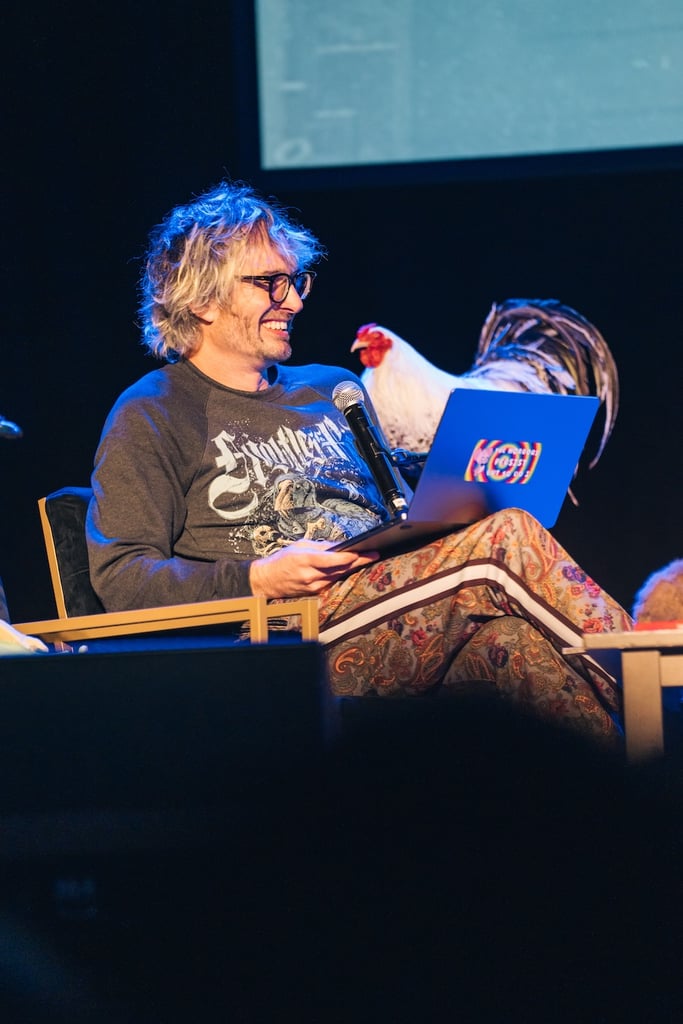
He also runs a podcast called the Flightless Bird, which he started in 2022. In it, he observes American culture, which he’s been immersed in after getting stuck there during Covid-19 lockdowns.
One thing he loves about being a journalist is hopping into someone else’s world.
“I get to have these snapshots of people’s lives and learn about how different everyone is.”
But it’s tough out there: “Journalism at the moment is in a bleak, bleak, bleak place. When I was studying at AUT,
I had no idea I picked such a terrifying career path.”
But, he believes there’s always a need for journalists: to distil complex information, to get to the root of things, to kick at the powers that be.
“It is still really important. So as long as that exists, I think we’ve got a fighting chance.”
This story comes from NZ Marketing magazine issue 85, Dec 2025-Feb 2026. Why not subscribe? Get four issues a year for just $50 (including delivery) if you autorenew.
Essential marketing intelligence. Don’t miss it.