What is the most important thing in the world for dentsu Aotearoa? From campaigns to their guiding philosophy and company culture, it’s about helping people thrive.
When we sit down to chat, news that dentsu was Aotearoa’s most awarded media agency in 2025 has just come through. They picked up 30 – an impressive total in anyone’s books.
Group managing director Rachel Anderson-Cormack says the media team, led by Richard Hale, are “exceptional at their craft”.
Among the haul was the Hardest Challenge trophy at the 2025 Effie Awards – a highlight for Lisa Divett, dentsu Aotearoa’s chief strategy officer.
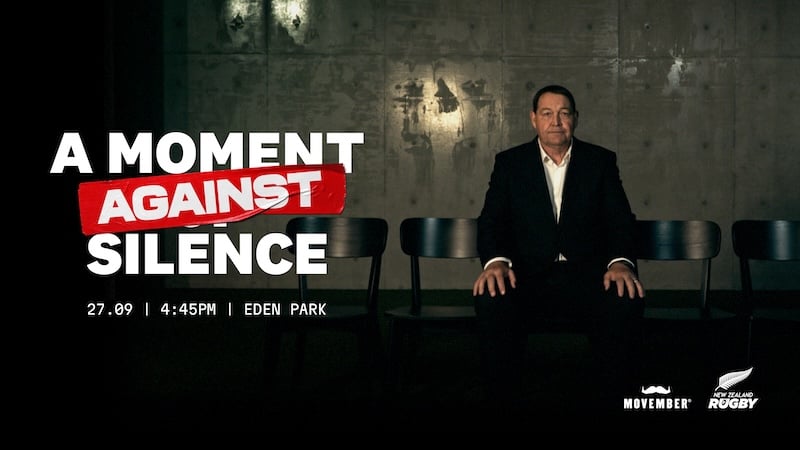
The award was for ‘Change is Possible’, a behaviour change campaign for the Ministry of Social Development addressing family violence.
“We created a campaign with the recognition that men actually do want what is best for their whānau. They just don’t necessarily create the conditions for that all the time,” says Divett.
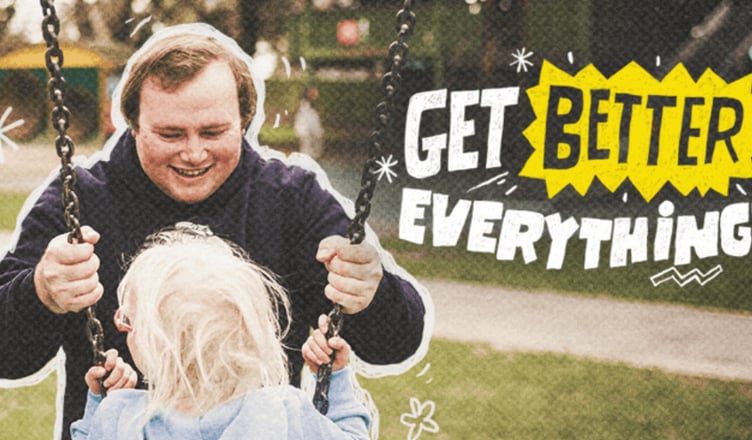
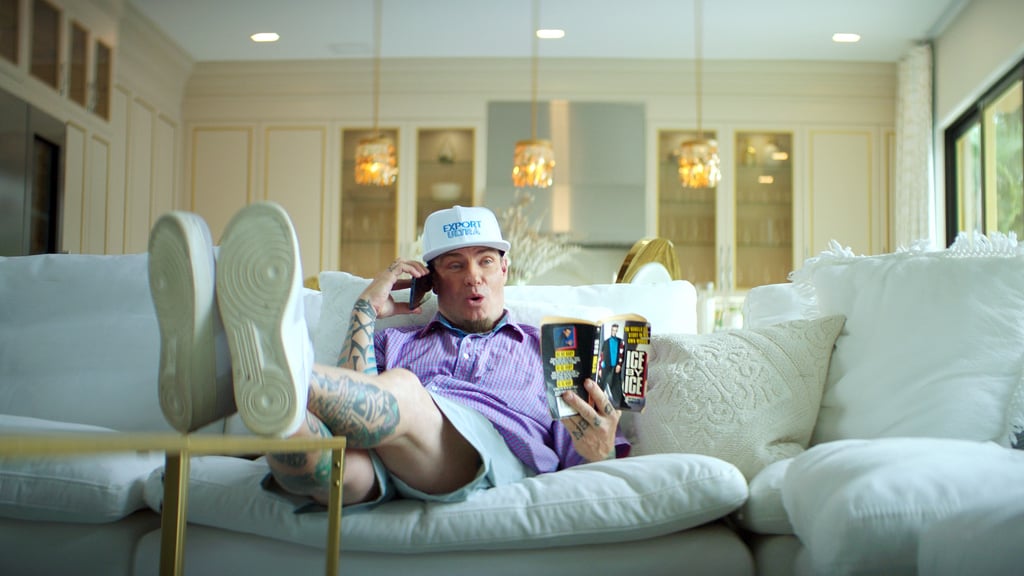
It’s a deeply human approach to an entrenched problem. But whether it’s a serious social issue or rapper Vanilla Ice reminding Kiwis to rescue beers from the freezer before they explode – as in 2025’s well-awarded ‘Export Ultra Cold Call Back Service’ – that’s how dentsu looks at everything: people first.
That’s because dentsu Aotearoa is guided by the centuries-old business philosophy ‘sanpo yoshi’.
The now global network of agencies originated in Japan in 1901. Sanpo yoshi has been followed by Japanese merchants for generations – they believe if they help their community and their clients thrive, they too will be more successful.
“Our offering globally is this real obsession with progress and ensuring that we are always thinking about what’s next: what’s better, how do we solve things differently?” says Anderson-Cormack. “And that is where our positioning of innovating to impact comes from.”
People are front and centre
It’s not just progress for the sake of progress or profit – but always for good of the people: clients, consumers and staff, says Divett.
“Sanpo yoshi is this incredible philosophy that cascades through the organisation. But it also matches wonderfully with kaitiakitanga,” she adds.
“That same sense of looking after people and place and being responsible guardians is imbued within the Japanese heritage of the organisation.”
As part of helping the industry thrive and increase Māori and Pacific representation, nearly all of dentsu’s interns come through the TupuToa internship programme.
The agency also has a number of in-house DE&I initiatives and communities, including one for Māori and Pacific team members, says Divett.
“Agency culture can feel a bit at odds with people, but it’s wonderful to create a sense of whānau across the different business practices.”
That duty of care extends to all staff and the environment. A sticker on the front door reminds people the office is a takeaway coffee cup-free zone. In 2025, the agency won the Supreme Award at the 2025 HRNZ Awards. It also picked up silver for Australia/New Zealand Corporate Social Responsibility Achievement of the Year at the Campaign Agency of the Year Awards.
“Our people are the heartbeat,” says Anderson-Cormack. “We’re a service business. We deliver thinking and ideation and strategy for people, so we absolutely put them at the centre of our business strategy. It’s not a second thought. It’s not a tick box exercise and we have a real focus on hauora.”
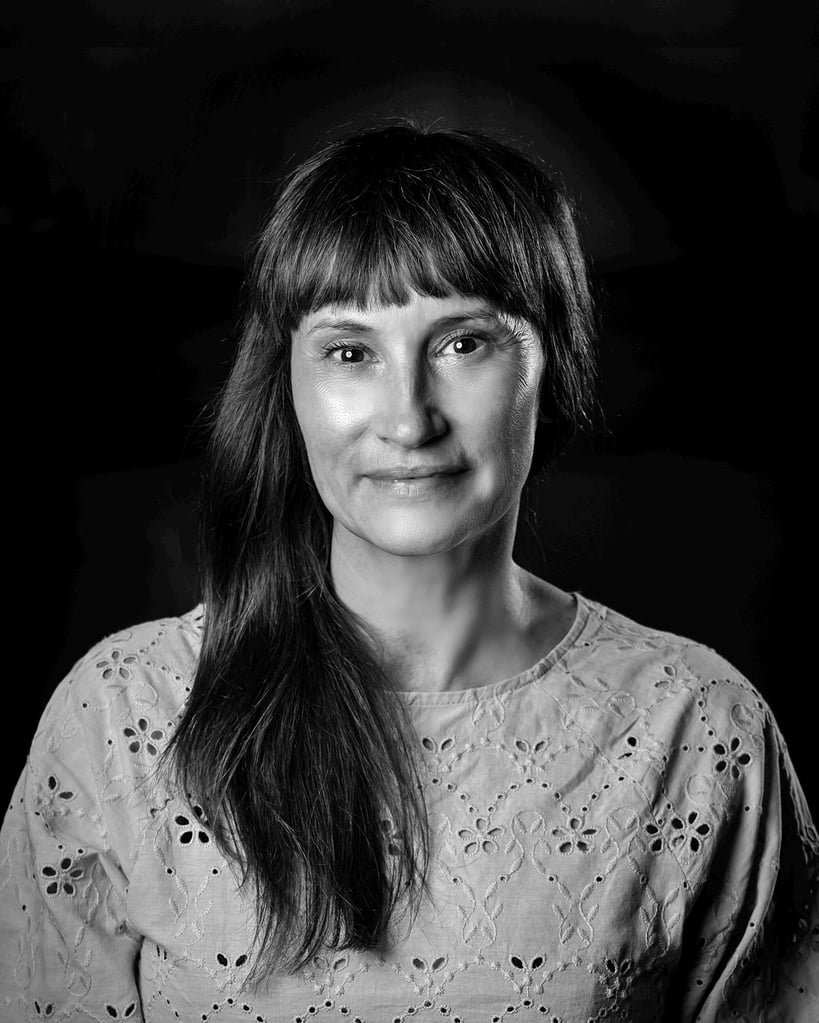
Global power
Dentsu’s history in Aotearoa began when one of its brands, global media agency Carat, launched in Auckland in 2000. In 2021, the agency simplified its services here, rebranding everything as dentsu.
“As any good brand strategy will tell you, simplicity is best,” says Anderson-Cormack. She describes the dentsu global network as “connected and responsive”.
Locally, there’s been a lot of change with the leadership team. Last August, CEO Rob Harvey was named group CEO of dentsu Australia and Aotearoa.
The two countries’ teams have always worked closely together and shared resources. Now, Harvey will drive that connection deeper, says Anderson-Cormack.
Both Anderson-Cormack and Divett are looking forward to working with new leader Nikki McKelvie, who joined as managing director of the creative team in February.
“We’re excited about where she can take dentsu creative and the growth that she can bring to the business.”
Alongside the positivity, the pair acknowledge the industry is in flux as the Interpublic and Omnicom merger progresses.
“Decisions made far away affect people we’ve all grown up with,” says Divett. “I think we have to be quite empathetic.”
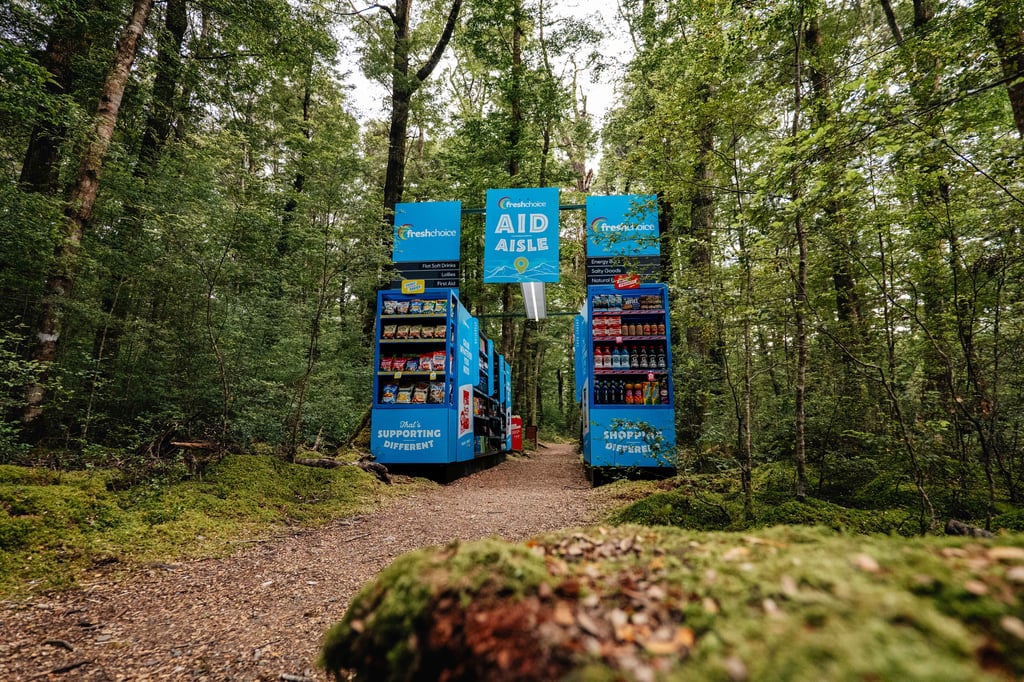
Innovating for impact
But innovation will always be a constant at dentsu. The agency is always trying to help its team think outside the box.
“We’re still chasing urgent things, don’t you worry. But we aim to create space for people to experiment and ideate and think beyond the brief they’ve got on the table right now,” says Anderson-Cormack.
Collaboration across the different disciplines is key. When a brief comes in, representatives from across the business attend the brainstorm.
“It’s removing boundaries of teams being able to work together,” says Anderson-Cormack.
The “opportunity wall” is a place where people can post a problem or idea for the rest of the team to ruminate on.
“We come around the wall on regular sessions to talk about it as a collective team and how we might take it a bit further,” she adds.
While AI is constantly changing up the innovation landscape, dentsu believes in humanity plus technology.
“AI can make us do our jobs faster, definitely. But AI can’t take you into new spaces – only humans can do that. So just holding onto that creative lens and then using AI to stimulate and go faster is really how we think about it,” says Anderson-Cormack.
“It’s a powerful tool and we’re definitely embracing it, but we do not see it replacing people or thinking.” People first, always.
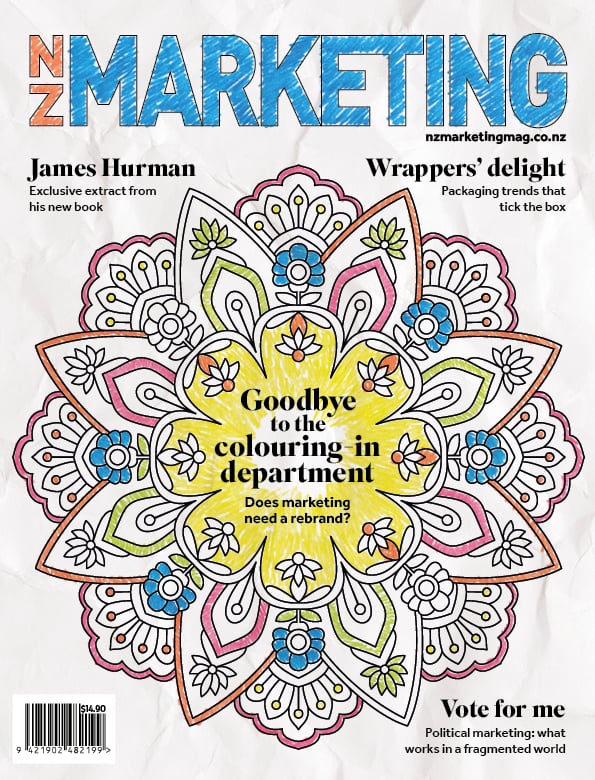
This story comes from NZ Marketing magazine issue 86, March-May 2026. Why not subscribe? Get four issues a year for just $50 (including delivery) if you autorenew.
Essential marketing intelligence. Don’t miss it.