

AI tools and automation are set to change the face of out of home advertising in New Zealand, and Lumo Digital Outdoor is well prepared for the revolution.
Lumo was New Zealand’s first fully digital outdoor company, built from the ground up for a programmatic, digitally creative and data-driven future – not adapted from existing static networks.
According to Lumo’s CEO Phil Clemas, that means every site, system and workflow is optimised for agility, speed and precision.
“Lumo stands out because it’s not just selling screens – it’s reinventing how digital out of home works in New Zealand,” he says.
“Lumo has invested heavily in data, automation and measurement – leading the way in programmatic DOOH, live data integration and, increasingly, digital creative optimisation (DCO). It’s one of the few OOH businesses treating technology as a creative enabler, not just a backend system.”

Clemas and fellow industry stalwart Kent Harrison established Lumo as a start-up in 2016, achieving rapid growth spearheaded by quality coverage of Auckland, the country’s largest market.
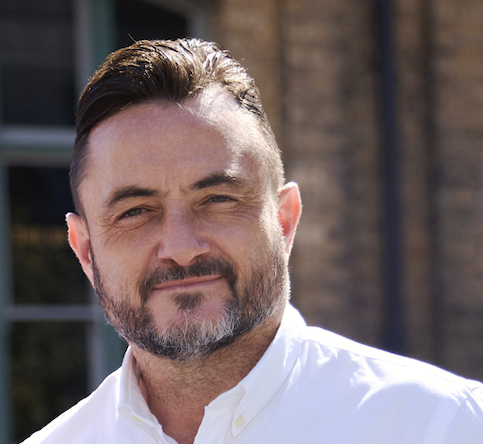
Strong metro presence
In early 2025 they took full ownership and control of the business by buying out their investor partners and augmented their strong main metropolitan presence by acquiring the assets of Globox, a successful regional digital billboard business.
Clemas says out of home advertising is one of the few media channels that people can’t scroll past, skip or block.
“It’s part of the real world – big, public and unavoidable – and that’s exactly why it cuts through,” he says.
“It reaches people when they’re out and about, in a mindset that’s alert and receptive. Whether it’s a digital screen in the CBD or a static billboard on the motorway, OOH earns attention simply by being where life happens. It is a brand channel and essentially the last bastion of broadcast media.
“There’s also a credibility that comes with being on a billboard. It signals scale and trustworthiness – that a brand is established and proud to show up in public.”
Rethinking DOOH with AI
Despite massive growth in ad spend in OOH, driven primarily by the investment in digital OOH infrastructure, Clemas says traditional methods of planning and buying persist.
“When programmatic first arrived in markets like New Zealand, it promised to drag OOH into the future,” he says.
“The tech landed here around 2018, but the mindset didn’t. We’ve got the platforms, but behaviour hasn’t caught up. Buyers and sellers are still waiting for each other to blink first.”
Clemas says it’s “telling” that the industry only recently agreed on a unified audience measure and is only starting to talk in “impressions” while negotiating off rate cards.
“Automation and AI are the first real chance to break the cycle. This isn’t about making old systems run faster – it’s about rethinking how DOOH actually works,” he says.
“From inventory and pricing to creative and reporting, everything is up for redesign. Automation clears out the grunt work. Unified ad-serving, programmatic trading and direct-to-supply integrations are already shifting control from weekly screen schedules to real-time decisions.”
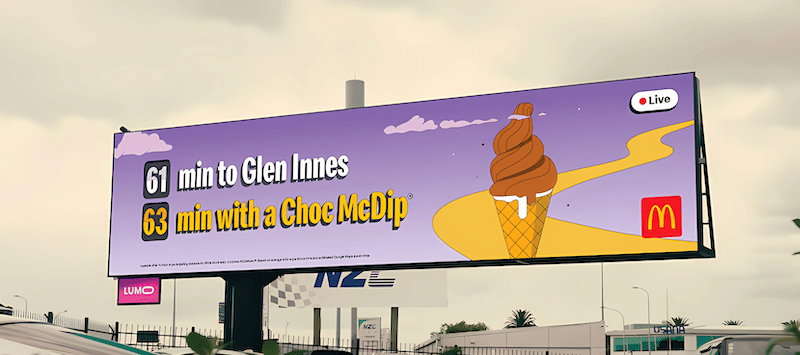
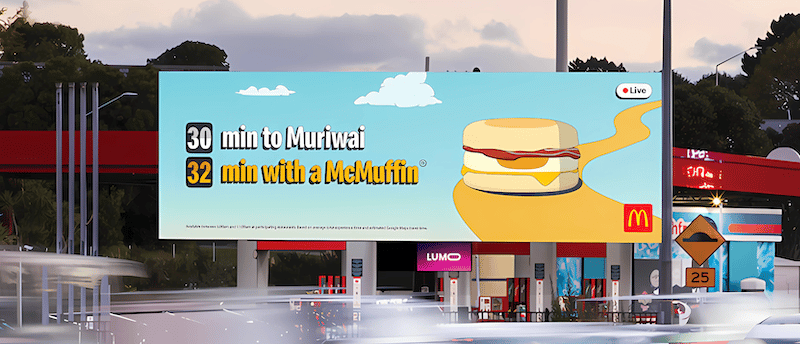
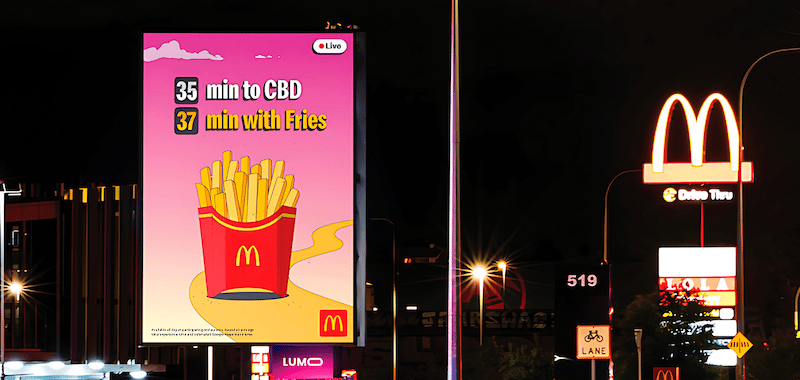
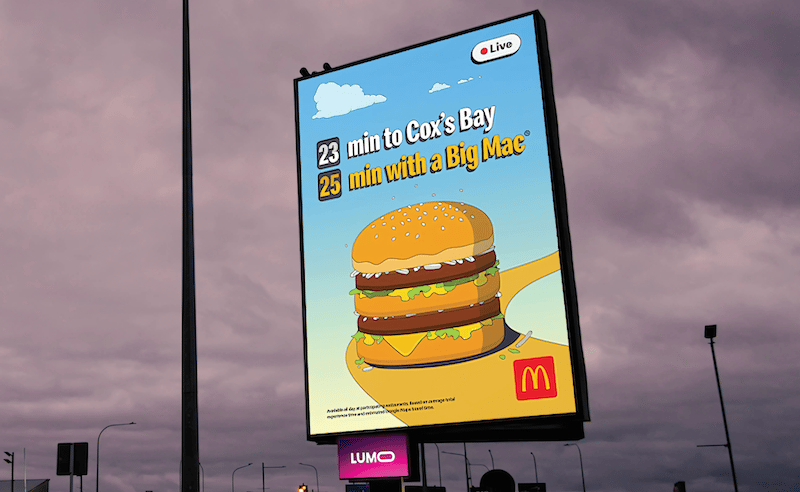
Lumo billboards displayed live data for McDonald’s campaign.
Always relevant
Meanwhile, Clemas says digital creative optimisation could be the technology spark that takes digital out of home from ‘digital billboards’ to truly digital media.
“For years, DOOH has been dynamic in format but static in message – often the same creative looping all day, regardless of context. DCO changes that.
“It lets brands automatically adapt creative in real time based on data like weather, temperature, time, traffic density or live events. If there is a dataset to help trigger the artwork changes, a DCO solution is available. Suddenly, that ‘always-on screen’ becomes ‘always relevant’.”
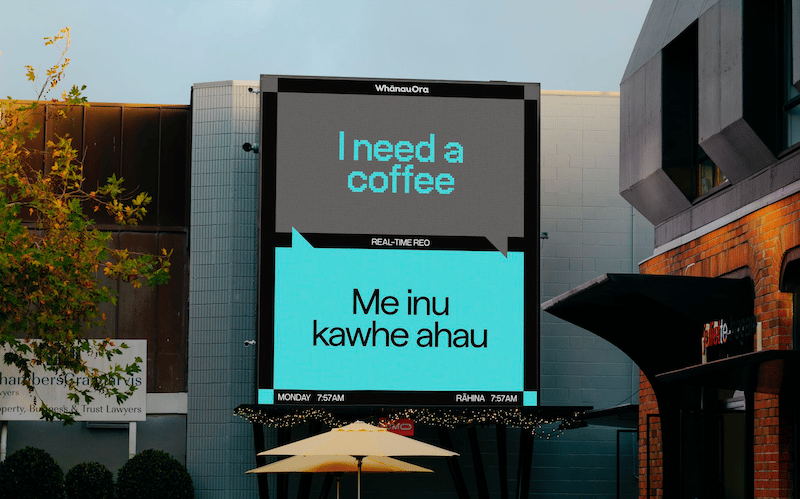
Clemas says Lumo is well positioned for these game-changing new technologies because it acts like a tech start-up, not a traditional media company.
“We question legacy norms, experiment fast and push the local industry to modernise – from automation and audience data to programmatic and creative innovation.”
This story comes from NZ Marketing magazine issue 85, Dec 2025-Feb 2026. Why not subscribe? Get four issues a year for just $50 (including delivery) if you autorenew.
Essential marketing intelligence. Don’t miss it.