In our September 2025 issue, we told the story how The Rocky Horror Picture Show went from flop to famous. The vital pivot was switching the film screenings to a midnight session. But whose idea was it and why?
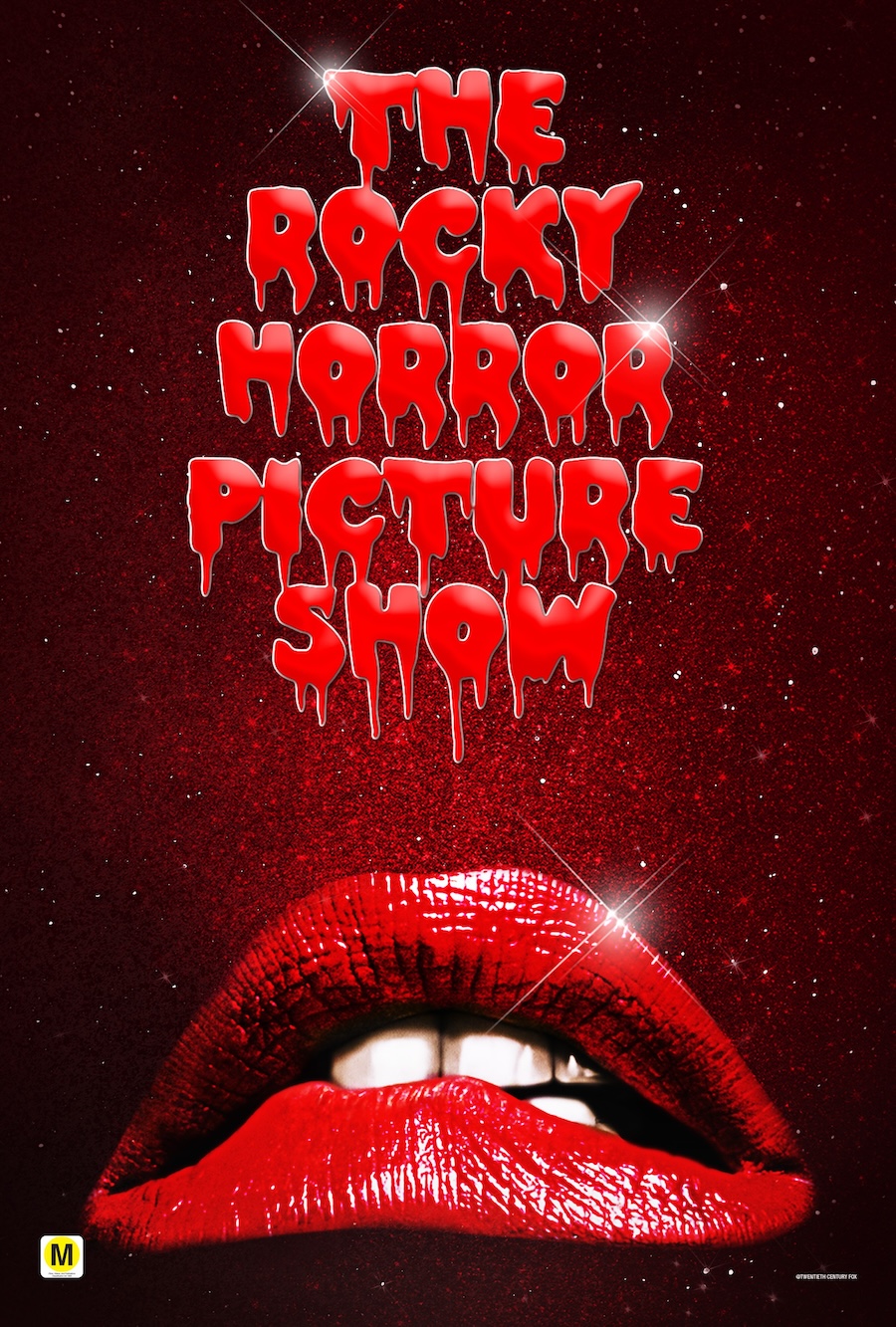
The Rocky Horror Picture Show might be a cult hit now, but it was lucky to survive its first few weeks in cinemas. Now it has the longest theatrical release of any film, running for 50 years and counting.
But it wouldn’t have happened without Tim Deegan. The young 20th Century Fox advertising exec didn’t even like the film, but – thanks to seeing first-hand how canny marketing propelled 2001: A Space Odyssey to box office success – he knew he could turn Rocky Horror around.
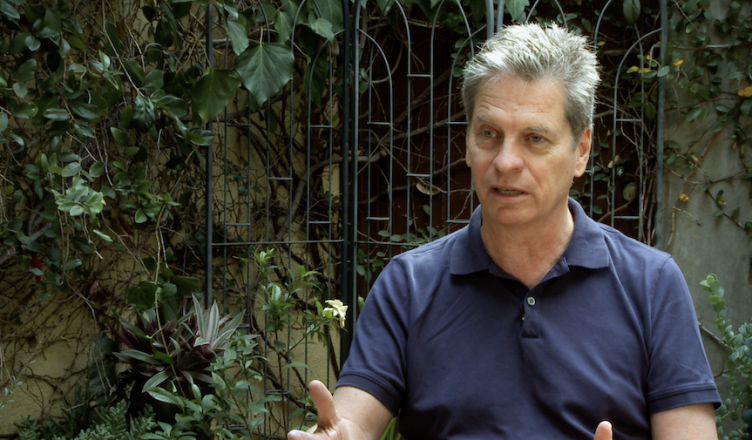
So, imagine our delight when, shortly after the story was published, Deegan himself emailed NZ Marketing.
Coincidently, he has just written a book, Saving Rocky Horror – from Orphan to Icon.
We talked for an hour about Rocky Horror’s unlikely rise and how Deegan continually championed the picture. His story includes being fired, a single-minded vision and some crafty negotiations.
A resounding no
It all started after film and music producer Lou Adler saw the Rocky Horror stage show in London – he brought it to Los Angeles and asked 20th Century Fox to acquire the film rights.
The answer was a resounding “no”, says Deegan. But eventually, the studio caved and gave Adler a budget of $1.5 million to make it.
Though he went on to fight for it, Deegan wasn’t impressed when he saw the final cut.
“Adler said, ‘What do you think of my movie?’ I said, ‘I don’t like it.’ And he said, ‘Can you be objective about selling it?’ And I said, ‘Yes, I’m a professional,’” recalls Deegan, who was in his early 20s at the time.
“And that’s how I became the Lou Adler contact for the studio. He never came in for another meeting. Everything was channelled through me from that point forward.”
It helped that nobody else wanted to work on promoting the movie. And that many colleagues at Fox Studios were distracted by Star Wars – which had a massive budget blowout. “So the more they pushed it away, it gave more real estate to me,” says Deegan.
No to New York
Adler had one request for the film’s theatrical release: don’t show it in New York. The musical had previously gone to Broadway and only lasted nine performances before it shut down.
LA was also a dubious contender, for the opposite reason. One of Deegan’s colleagues reckoned the film shouldn’t be shown there either, because the play had been so successful – so it wouldn’t be a real test of whether the film had an audience.
“I argued to keep LA because Lou Adler was a local and wanted to be involved. So we went to the UA Westwood.”
And that’s where people started coming back for repeat viewings.
“Lou and I went occasionally to the show to sit in the audience and sometimes separately and we both came away with the same notes. ‘See that guy standing over there?’ We saw him last week. ‘See that person over there?’ They look familiar. We realised that it was the same audience coming back, over and over and over again.”
They had never seen anything like it before. Rocky Horror’s movie theatre release in 1975 had been a disastrous preview in Santa Barbara, says Deegan. The small handful of people who thanked Adler and Deegan for the film were the “only glimmer of hope until we saw this little repeat audience”.
Financial failure, creative success
Rocky Horror might have been a creative success, but for the studio it was a financial flop. They threatened to pull it from the Westwood, but offered to try the college market in Ohio first – where it also failed.
College students in Austin, Texas, were into it, but 20th Century Fox “wanted to get rid of the movie so badly and get onto other things,” says Deegan.
The studio told him to break the news to Adler: they’d tried everything but this was the end of the road.
Yet Deegan – Adler’s only contact with the studio – conveyed a different message.
“Instead of justifying why the studio is killing the movie, I said, ‘I want to take this movie to the midnight market – what do you think about that?'”
Adler replied: “I like it… What’s the studio going to say?”
Deegan has a michievous smile at the memory: “I looked at him and said: ‘Lou, they love the idea. They’re just waiting for you to say yes.'”
When Deegan returned to the studio, they fired him on the spot.
April Fool
But, as he already had Adler on side, Deegan wrangled his way through – with talk of the potential lawsuits if the studio said no. Not only did he keep his job, he booked the Waverly Theatre in New York to screen Rocky Horror at midnight on April Fool’s Day.
Deegan was almost fired again for the April 1 booking… And then again for only advertising the screening with a tiny ad in the Village Voice. But it was all part of the plan.
“My strategy is one word: discovery. We’re not going to do anything in that theatre except show the trailer and have a poster on the wall. We’ll open the doors at 11.30 at night and let people walk in and see what we have to offer,” says Deegan.
Word of mouth
“If they like it, they’re going to walk out and they’re going to tell their friends. If they don’t like it, they’re going to be silent. I believe in this movie, that it can attract an audience. I believe in my plan.”
Expecting to be fired again if this screeening flopped, Deegan called the Waverly late that night. Good news: there was a line around the block and tickets were sold out.
Bill Quigley, who worked for the company who owned the Waverly, told Deegan: “We’re going to run it not only for the next week, but we’re going to run it indefinitely. We just feel the audience energy was so high and so loving of this experience, we’re just going to run it for as long as until whenever it runs out.”
Meanwhile, Austin became the second midnight screening site. It’s the second longest running market after New York.
Word trickled through Fox Studios (and the rest of the world): Rocky Horror was a hit.
Happy for the fans
How does Deegan feel about the movie now?
“I spoke at the Rocky Horror Convention 50th Anniversary a couple of weeks ago and that question came up. I said, ‘I’m very happy for the fan club. I’m very happy for the fans, I’m very happy for the people, the LGBT community that made this their safe home… But I still am somewhat detached from it myself. I tried to do that just to keep objective,” says Deegan.
“I got swarmed at the convention by people saying: ‘You made my life and I can’t thank you enough.’ And that was very touching, I never really had that impact before… I’m very happy that a little thing that I did helped out so many people.”
A movie about space
Deegan joined the film industry in his teens. But only because his older brother – a summer intern at MGM Studios – wanted to go sailing instead.
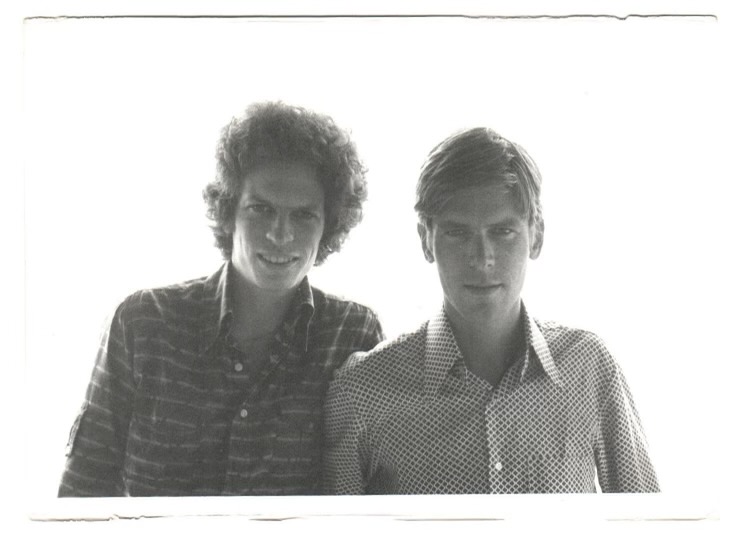
Deegan picked up his big brother’s gig and arrived at the studio as instructed at 9am on Monday. It was eventful from day one.
“I sit there and eventually the door opens, a man sticks his head in and he says, ‘Who are you?’
“I tell him my name. And he said, ‘What are you doing here?’
“I say, ‘Well, I’m supposed to be somebody’s intern.’ He says, ‘Well that would be me, you’re going to be my intern.’
“And I said: ‘Good, thank you. Who are you?’
“And he said: ‘My name is Stanley Kubrick and you’ll be working with me on 2001: A Space Odyssey.”
A Space Odyssey lesson
His experience with Kubrick was instructive: the 1968 film failed at the box office. Nobody understood what it was about, says Deegan.
The turnaround came when Mike Kaplan, the young man in charge of publicity, suggested getting the critics in to review Space Odyssey again a few weeks after its release.
“A couple of the top national critics came in and they gave a better review. In those days, a review in Chicago would trickle out to Des Moines and Columbus in the Midwest. And it would be like: ‘What’s happening in the big cities? What’s happening in the small cities?’
“You’d meet at the water cooler and talk about the movie you saw over the weekend. Today, it’s like bam, get out of here, move on to the next project.”
Kaplan then turned to what Deegan calls the underground press – outlets like the Village Voice – to “leak secret information”: like that Space Odyssey screenings would include a plush carpet, pillows and a light show.
Never mind the plot, audiences came along for the vibe.
“Don’t come to the movie, come to the light show… Go down on the carpet, then look up and get stoned, look at the movie and have a trip…
“It’s the first time a movie was sold as a drug movie, ‘the ultimate trip’ became the slogan,” says Deegan.
Same film, different marketing. Deegan was taking notes.
“It was an instant commercial success… So that was what drove me to want to do the Rocky Horror Show.”