
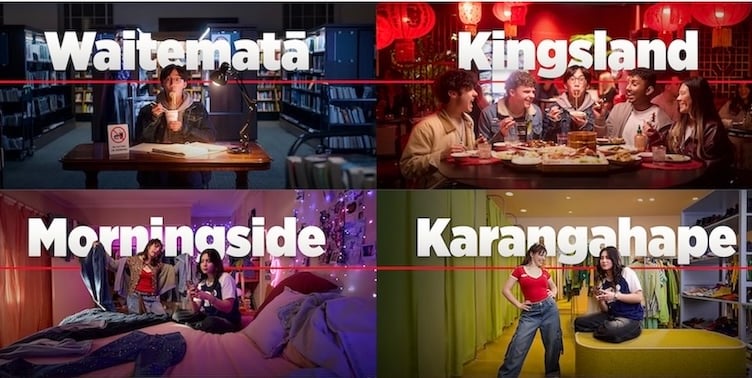
Shifting culture isn’t easy, but Thompson Spencer’s work with Auckland Transport shows how connecting every touchpoint with a single idea can create movements that engage whole communities.
How do brands connect with communities? It’s a question Melanie Spencer answers every day. She’s the co-founder & group CEO of Thompson Spencer Group, a full-service indie agency that turns ideas into campaigns that can move cities – physically and emotionally.
“Brands can no longer rely on a single execution or channel,” says Spencer. “The strongest campaigns start with one powerful idea that has a golden thread connecting every audience, channel, partner and experience. We don’t think of media as simply where an idea runs – every touchpoint should add something to the idea itself. That’s when people want to be part of it, rather than simply watch it.”
It’s an approach Thompson Spencer practises in their work with Auckland Transport (AT). Three recent campaigns engaged the community on a personal level, proving that when every part of a campaign is connected, a single spark can become a movement.
“I think the work we’ve done with Thompson Spencer and the success we’ve achieved really points to their ability to shift culture,” says AT’s Anna Lawrence, GM marketing & media partnerships.
Prioritise human stories over system messaging
“So often, we have come up with a spark of an idea that would work really well in social, and then realised it actually has legs and can become a really big idea. The ‘Joy rides’ campaign came about in that way,” says Lawrence.
“We had been talking about how Aucklanders seemed to have lost pride in their city, and how we could bring a smile to people’s faces but also make public transport more appealing.”
That spark evolved into a multi-faceted campaign that encompassed social, OOH and – at its peak – nationwide television coverage, to build community engagement and ownership.
“One of our drivers – Jona – had already begun to build a following on TikTok for his infectious karaoke videos. So it was a given that he would be the face of ‘Joy rides’, and he became a social sensation. It grew exponentially from there,” says Lawrence.
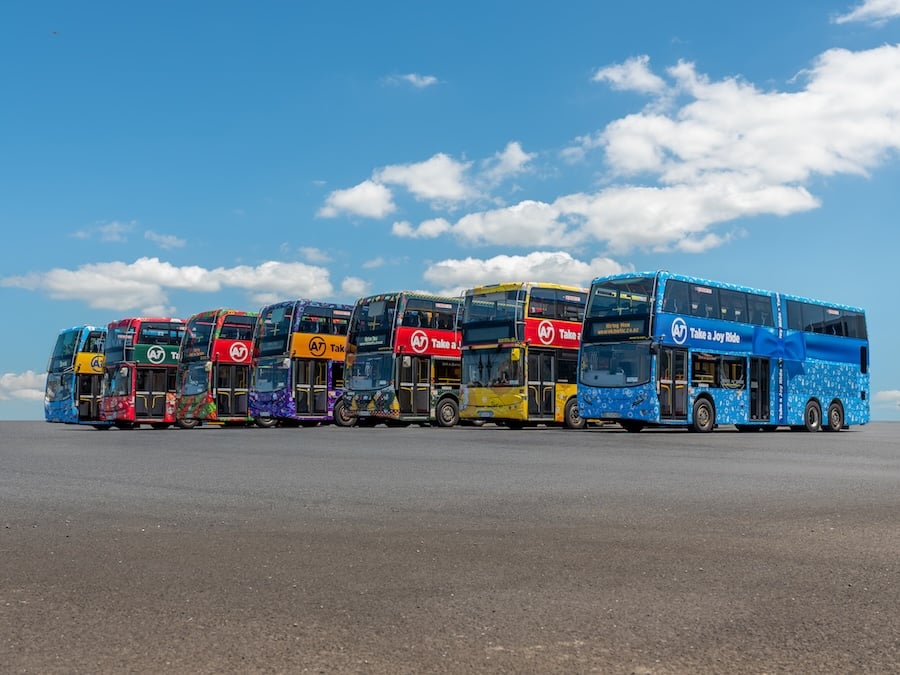
Meanwhile, well-known brands were invited to sponsor one of seven ‘gift wrapped’ buses – moving billboards with fun to be had on board, thanks to games and activations – reinforcing the social message and encouraging Aucklanders to: ‘Take a joy ride’. The buses turned the campaign into something Aucklanders could experience across the city, not just on their screens.
Spencer adds: “Every part of the campaign became media in its own right. The buses and Jona fuelled social, social fuelled radio and earned media then events, partners amplified the idea and Aucklanders made it their own. Every connection made the campaign stronger.”
Real places, real journeys, real moments
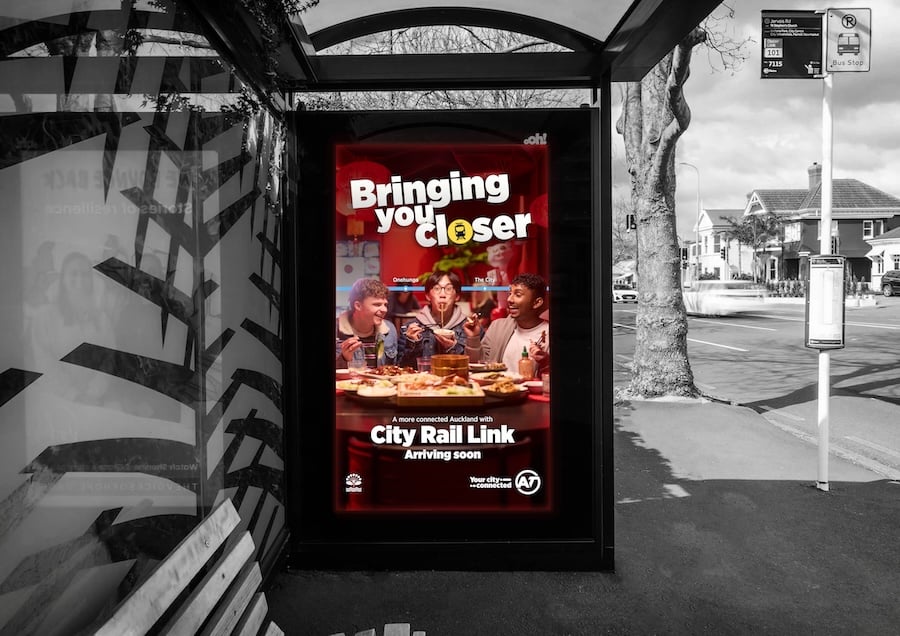
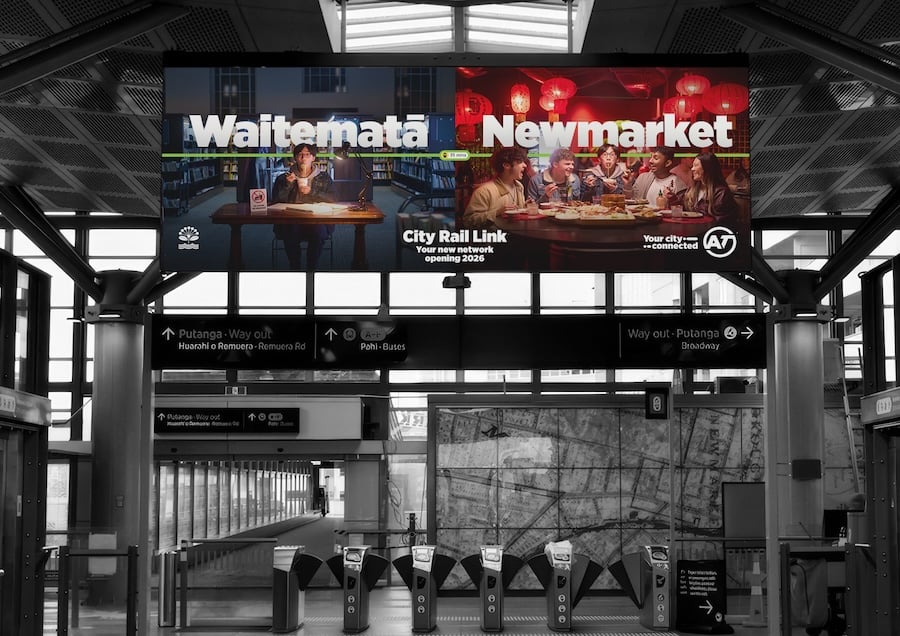
Staying with Auckland, the $5.5b City Rail Link (CRL) project is the largest transport infrastructure project in New Zealand’s history, due to open in mid-September. Thompson Spencer has been a crucial part of building the buzz around the long-awaited project.
“You can’t just build infrastructure and then hope that people use it. You need to build demand over time. Prime audiences, build demand and get them more and more excited,” says Lawrence.
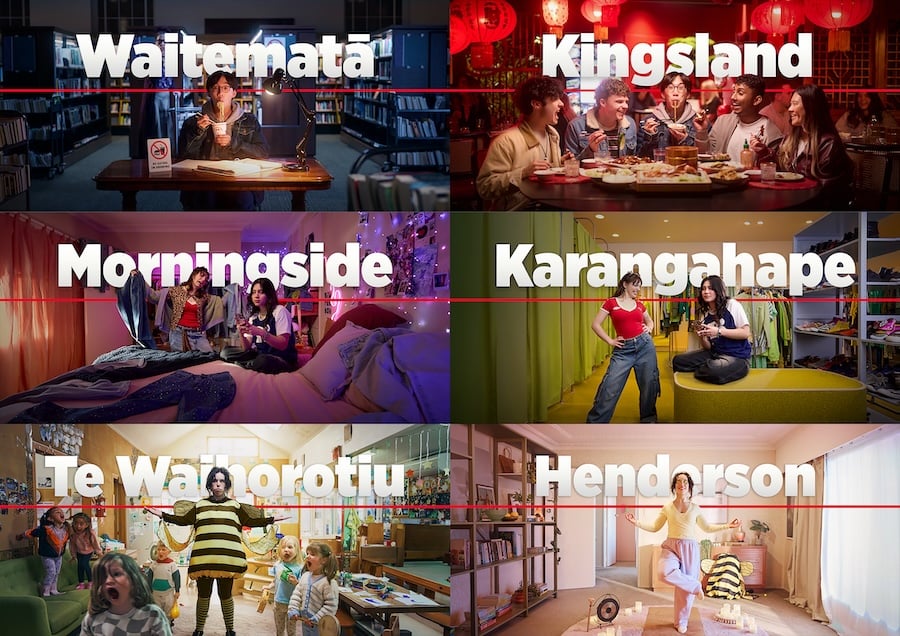
Spencer adds: “Where Thompson Spencer came in was getting people to start to understand how, on an individual basis, the CRL network would positively impact their daily lives. Yes, it’s a once-in-a-generation infrastructure project, but what it really is for Aucklanders is a giant time gift – getting people easily and quickly to the moments that matter to them.
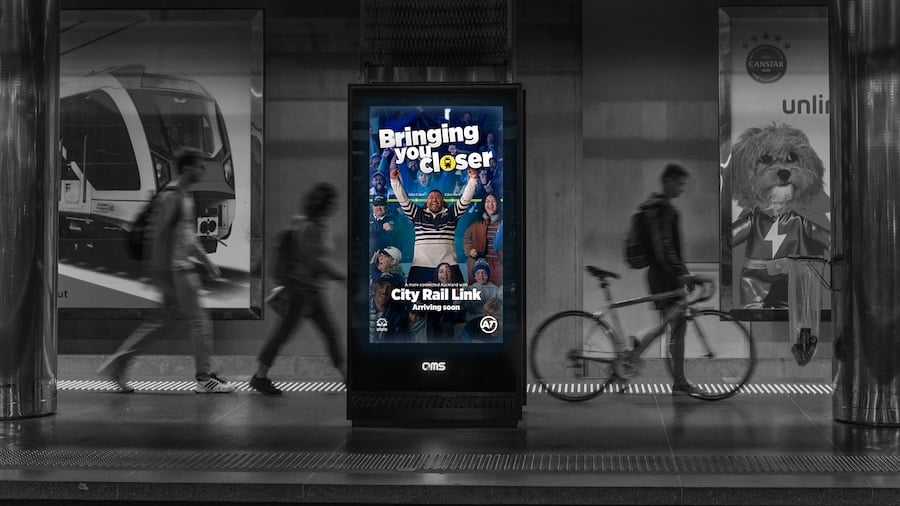
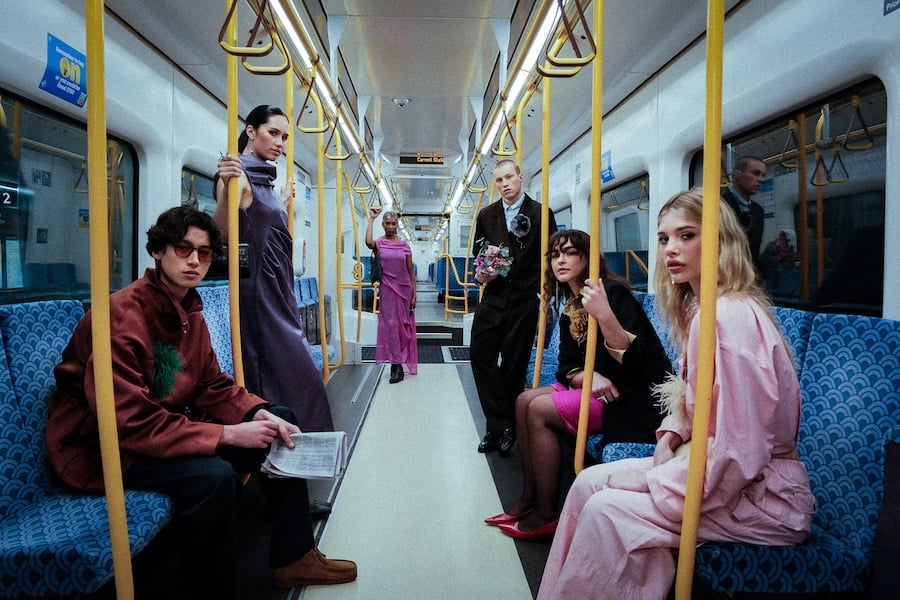
“Every touchpoint has reinforced that same idea, making the benefits of the CRL feel personal before the trains even start leaving the stations. We’ve had our map campaign, we’ve had advocates telling stories, we’ve done station stories, we’ve even turned stations and trains into a runway as part of a collaboration with New Zealand Fashion Week.”
“We’re creating stories that people can connect with: Do you want to go shopping, to a rugby game or out to dinner? Then it’s just 15 minutes from here and 10 minutes from here and 30 minutes from there.
“We’re really driving that consideration layer so that when the CRL launches, they’ll be able to harvest that demand.”
Create long-term behaviour change
“The ‘Safety at the school gate’ campaign featuring well-known comedian Karen O’Leary, shows how a single human insight can connect an entire community behind positive behaviour change,” says Spencer.
“It’s always a tricky proposition when you’re calling out people’s behaviour. Again, it comes down to having a partner that trusted us and let us push the boat out a bit, and the result is a cracking campaign.”
Lawrence dds: “We’re blown away by the fact the campaign has been so successful. “It’s just been so great to have a character who’s talking about parking, fines and behaviour without AT being the ‘waggy finger’.
“Schools really got in behind the campaign, the video was promoted all over Auckland and the parents really loved it.”
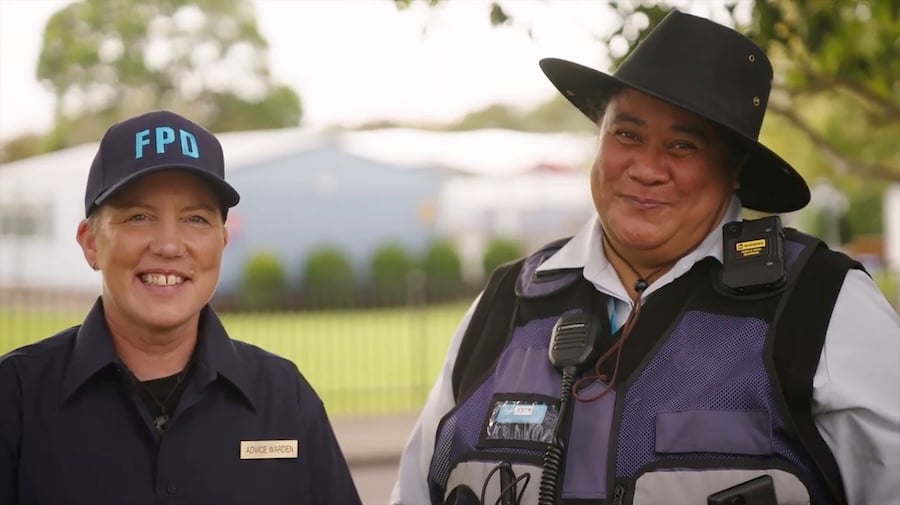
The campaign success came down to giving the problem a ‘human face’, which allowed the community to embrace the people first and then the message.
“The coup was pulling in a real parking officer and have her appear alongside Karen. We’ve had a real issue in Auckland where our parking officers were getting beaten up. And so, being able to show a parking officer as a real person – and not just a ticket-writing machine – was genius,” says Lawrence.
“And they ended up on Seven Sharp! Then we had other councils from around the country reaching out and saying, can we use it too? It’s been a really great result.”

This story is from NZ Marketing magazine issue 88, Sept-Nov 2026. Why not subscribe? Get four issues a year for just $50 (including delivery) if you autorenew.
Essential marketing intelligence. Don’t miss it.