In the June-August 2026 issue of NZ Marketing magazine, we asked agency founders to tell us the story behind why they started their agency, their favourite thing, what they’ve learned and their best advice.

Get Sponsorship
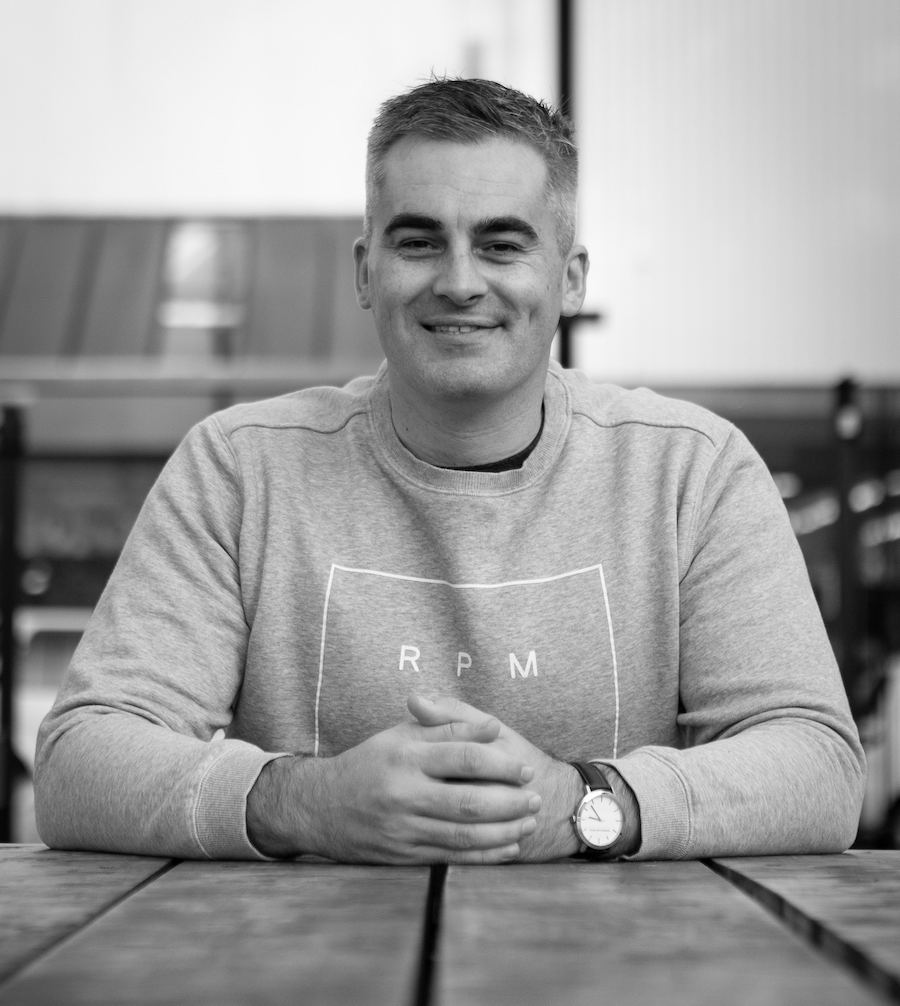
- Founder: Mike Wootton
- Year founded: 2020
Tell us the story behind founding your agency.
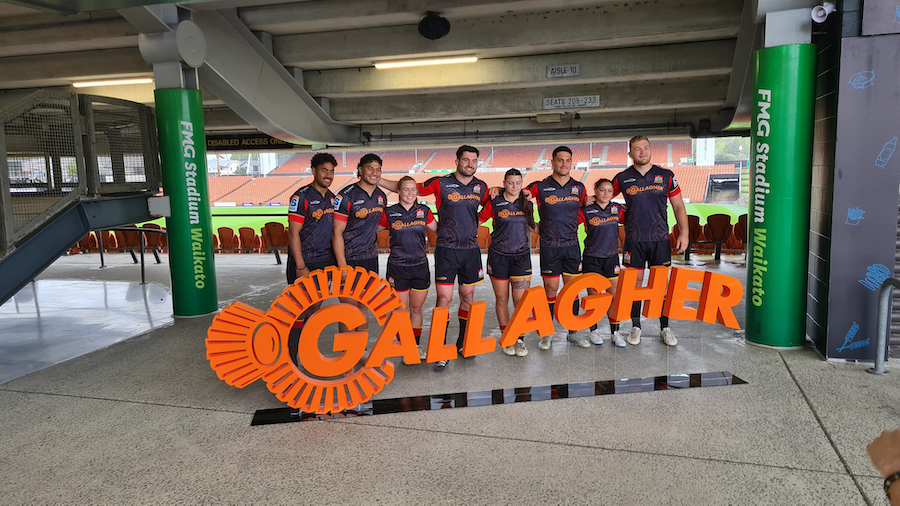
Most sponsorship advice comes from people who’ve only sat on one side of the table. I’ve sat on both, as a rights holder chasing funding and as a brand deciding where to put it.
The gap I kept seeing was the same every time: sponsorship seekers pitch like brands don’t have their own problems to solve. Brands walk away underwhelmed. Everyone loses.
Get Sponsorship exists to close that gap. When seekers learn to think like brands, the conversations change, deals get done and brands start to see what sponsorship can actually do. They invest more. Which means more funding flows to the sports, events and causes that need it. Better sponsorship on both sides. That’s the whole idea.
What’s your favourite thing about running your own agency?
A client messaged me one morning: “Hey Mike! I just got offered an $840k sponsorship deal. I didn’t accept it and countered for $1.4 million – just needed to share with someone who would appreciate my audacity.”
A few months later, another message: “I’ve f*cking done it! Biggest sponsorship deal in our 67-year history.”
I fist-pumped the air in my kitchen like an idiot, and yelled out my own little: “F*ck yeah.” That’s the thing about sponsorship done properly: it’s not charity. It’s a genuine commercial exchange where both sides win. She had the audacity to ask for what the partnership was actually worth, the brand got real value and her organisation changed forever. Those texts are why I do this.
What’s the most important thing you’ve learned?
Back yourself, and then charge accordingly.
Running an agency means constantly wrestling with your own head. Pricing feels personal. Asking for real money feels arrogant. That feeling gets even harder when your clients are charities or organisations that are genuinely stretched, asking them for a fee when you know they’re fighting for every dollar is uncomfortable. But then a client texts you about the biggest sponsorship deal in their history, and that feeling evaporates instantly.
The shift for me was stopping the endless analysis and just doing it. Send the proposal. Quote the real number. Have the hard conversation. You build confidence the same way you build anything else, by doing it repeatedly until it stops feeling terrifying. And it’s hard to help a client back themselves if you haven’t figured out how to do it yourself first.
What’s the best piece of advice you’ve received or given out?
Sell the problem you solve, not what you’re selling.
Sure, some people want brand exposure. But try taking “brand exposure” to a CFO and asking for $500k. You’ll need more than that.
The best advice I give, and try to live by, is this: before you pitch anything, know the specific commercial problem your sponsor is trying to solve.
Struggling to get leads? Show them how the partnership generates leads. Want more test drives? Walk them through exactly how to use the sponsorship to get people into the showroom. The sponsorship industry is drowning in decks full of “logo placement” and “activation opportunities” that mean nothing to a marketing manager who has to justify budget internally. Get specific about outcomes, and suddenly the conversation changes completely.
Solve the problem. Get the deal.
Anything else we should know?
When I’m not in sponsorship mode, you’ll find me bailing off a surfboard at Papamoa Beach, sprinting to the local volunteer fire station, or sweating through a game of Padel while onlookers quietly think: “Calm down mate, this isn’t the Aussie Open.”
The fire brigade has been one of the best decisions I’ve made. There’s something about responding to an emergency that demands complete presence, your brain simply has no room for anything else.
For someone who runs their own business, that kind of forced mental reset is genuinely valuable. I’m based in the Bay of Plenty, and honestly, being outside the main centres keeps me grounded. My clients are trying to solve real problems with real money. So am I.

This story comes from NZ Marketing magazine issue 87, June-August 2026. Why not subscribe? Get four issues a year for just $50 (including delivery) if you autorenew.
Essential marketing intelligence. Don’t miss it.