

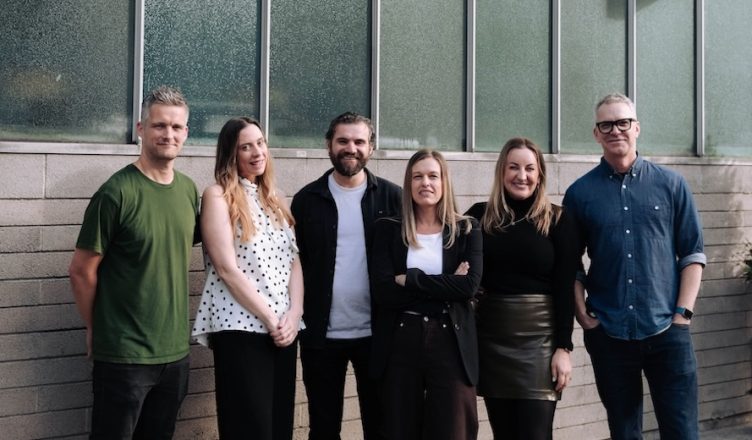
Above: Lumo Pixel Awards judges.
The 2026 Lumo Pixel Awards winners show digital OOH moving beyond broadcast, using data, context and timing to create more responsive connections.
The 2026 Lumo Pixel Awards have recognised the campaigns setting a new benchmark for New Zealand’s digital out of home sector, celebrating ideas that use roadside screens to inform, connect and inspire action.
This year’s winners show the medium moving beyond simple broadcast messaging and into a more ambitious phase, where data, context and timing help brands create more practical and responsive connections with people on the move.
This year’s programme marked a new chapter for the Pixel Awards, welcoming Australian and Programmatic entries for the first time alongside the Industry and Student categories. The 2026 awards were also supported by industry leaders 2degrees, Vistar Media and Latch.
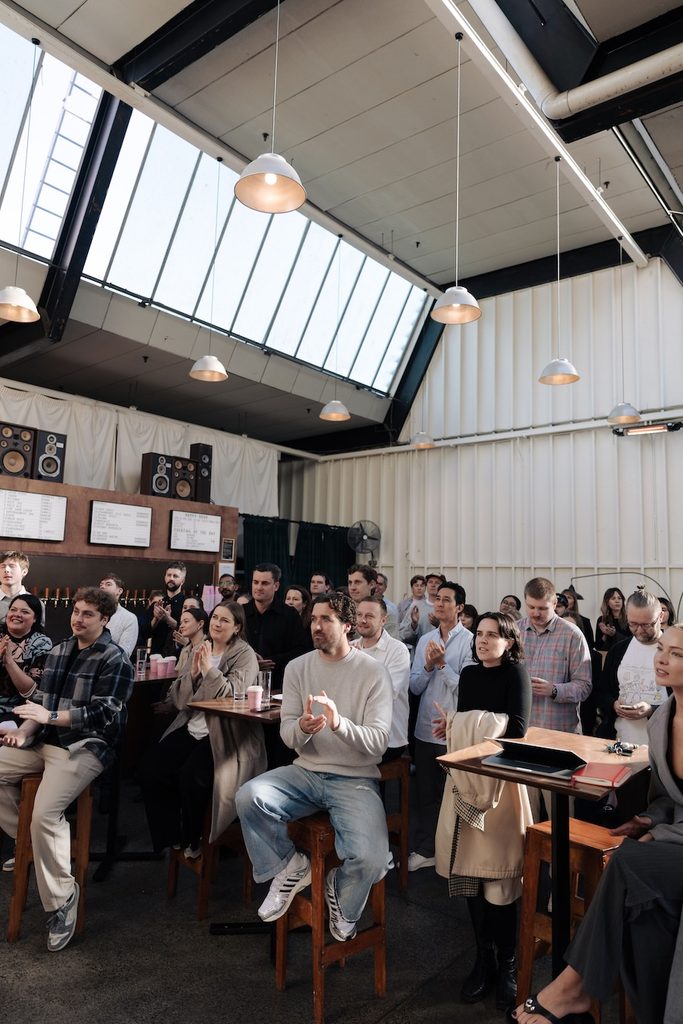
Work grounded in everyday relevance
In the industry category, that shift was evident in work grounded in everyday relevance.
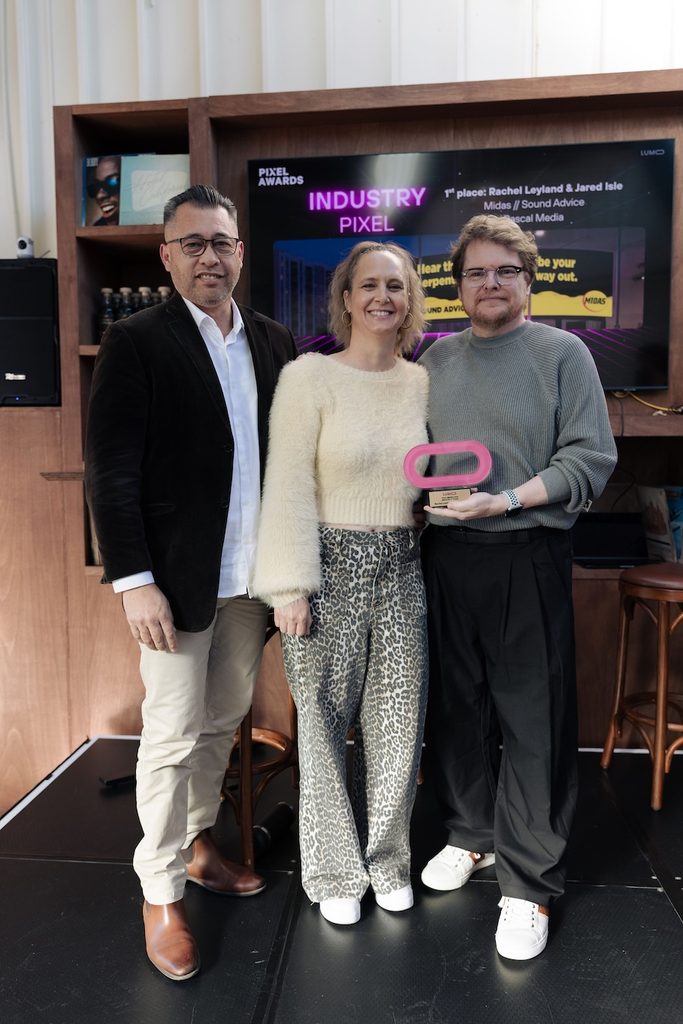
Rachel Leyland from Rascal Media and Jared Isle took first place with ‘Sound advice’ for Midas New Zealand, a campaign that turned roadside screens into timely prompts for drivers. The execution demonstrated how a simple, well-timed idea can create a genuinely useful brand connection in a physical environment.
Dave Pearce, GM of marketing at 2degrees says: “The judges were blown away by this brilliantly original idea. Kudos to this team for the bold and original use of live audio capture as a trigger for an unexpected and timely creative message.”
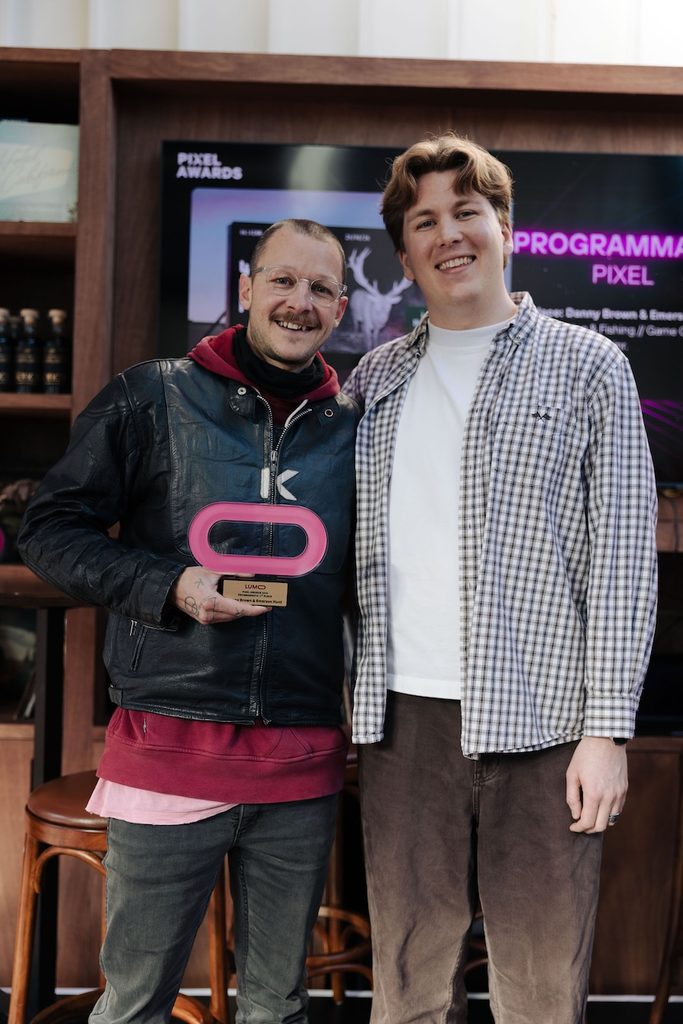
The same evolution towards more dynamic, data-led execution was reflected in the work of Danny Brown and Emerson Hunt from jnr. who won for ‘Game on’ for Hunting & Fishing New Zealand in this year’s Programmatic category.
By connecting hundreds of motion-activated trail cameras to the Lumo network in real time programmatically, the campaign made Hunting & Fishing New Zealand’s brand promise, “Out there doing it” feel immediate, authentic and grounded in context.
Sandra Scott, sales and partnerships director at Vistar Media, says: “The quality of entries in the inaugural Programmatic category was incredibly strong, and a great reflection of how quickly programmatic DOOH is evolving in New Zealand. What stood out was how the best ideas used data, technology and real-time triggers to make creative more relevant, contextual and impactful.
“‘Game on’ was a brilliant example, using live trail-camera activity to bring Hunting & Fishing’s ‘Out there doing it’ proposition to life in a way that felt immediate and authentic. It was a genuinely tough category to judge, with Poolhouse ‘Poop alerts’ another standout for its clever use of live water-quality data – turning DOOH into something useful for Aucklanders while creating a simple, memorable connection to the brand.”
Use OOH to prompt behaviour change
In the Student category, Kashish Gupta and Anthony Crum from Media Design School at Strayer won with ‘The real bill’ for the Electricity Authority, a student-led creative concept that does not require brand sign-off.
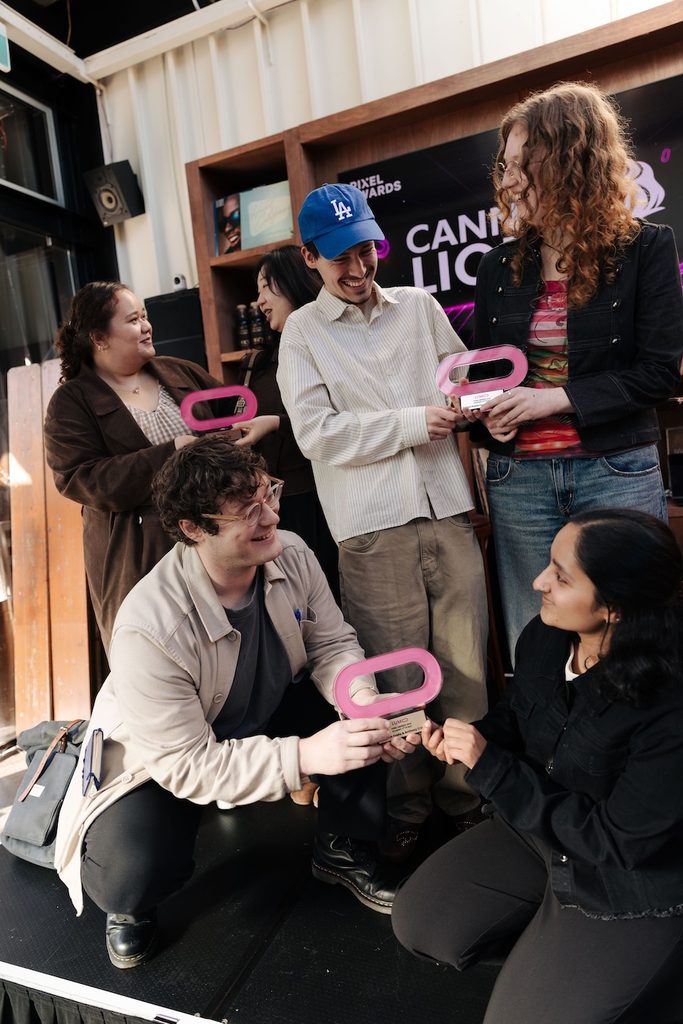
The idea applied the awards’ focus on practical relevance to a different kind of daily challenge. Using live data from Billy, the Electricity Authority’s comparison site, it showed people exactly how much they could save on their power bills.
By shifting the conversation away from appliances and towards power plans, the campaign used the scale of digital out of home to prompt meaningful behaviour change.
Rex Carpenter, creative lead at Lumo Labs, says: “Subtle by Lumo launched in April and with Kashish and Anthony’s submission for Billy displaying a perfect example of how Subtle motion and DCO work together to make creative that helps inform the everyday consumer.
“Together, these three winning campaigns point to a medium that is becoming more dynamic, more practical and more connected to people’s everyday journeys. They also capture what the Pixel Awards celebrate: work that moves the category forward with purpose and originality, from established creative teams to emerging student talent across New Zealand and Australia.”