In the June-August 2026 issue of NZ Marketing magazine, we asked agency founders to tell us the story behind why they started their agency, their favourite thing, what they’ve learned and their best advice.
Previously Unavailable
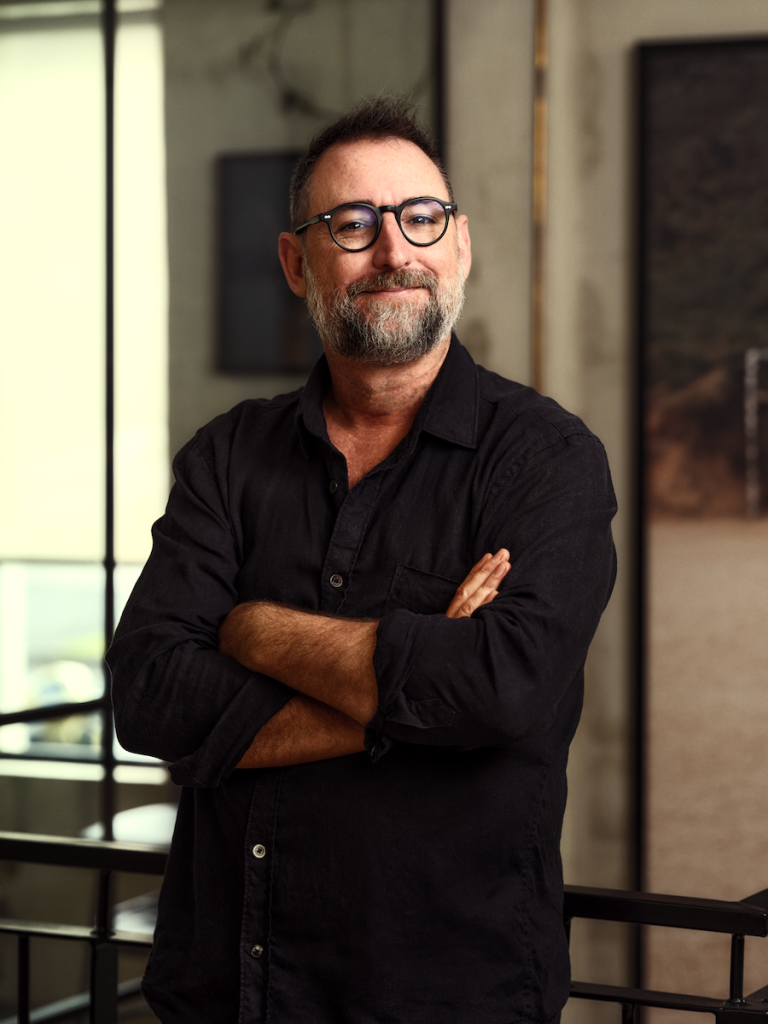
- Founder: James Hurman
- Year founded: 2014
Tell us the story behind founding your agency.
I’d spent my career in the advertising industry and was the managing director of Y&R before I decided on creating Previously.
I did it originally because I was really interested in applying my strategic and creative skills to areas that differed from advertising: new product development, innovation, startups, the creation of new companies and products and services.
I’d looked for an innovation consultancy to go and work for and there weren’t any in New Zealand, so it was a case of creating one myself.
I started on my own. It was just me with no clients, no partners, no income and a very nervous wife. I didn’t really know exactly what I was creating, what it would be, or really what I was doing. I approached Previously as kind of an experiment and that’s something we talk about to this day – that it’s more of an experiment than a company.
What’s your favourite thing about running your own agency?
Agency is a funny word; we’re not really an agency.
But I like having the ability to hold a contrarian point of view and the freedom to execute on that point of view very single-mindedly.
In running a network agency, as I’d been doing before I started the company, you don’t really have the ability to challenge the business model or to make bets and investments in areas that would be seen as higher risk by a conservative holding company.
I think that’s what I enjoy most: being able to take a point of view on where the world might go or how businesses could be run differently or better. And then not have to ask permission to chase that down.
What’s the most important thing you’ve learned?
The power of creating an environment where exceptional people can do genuinely experimental and different things, and really challenge the way that business is done. It’s about challenging the way that companies are created and brands are deployed.
I’ve learned a lot about how to bring people into that and how to give them the freedom to operate within that.
For me, now being the chair of the company and having handed over the administration of the business to my team, the company’s never been in better health. I get enjoyment from creating something and then giving others the ability to contribute to it and lead it in a direction that really makes them happy. That’s a wonderful process.
What’s the best piece of advice you’ve received or given out?
My first boss when I was a young planner, a guy called Paul McElwain – or Mac as he was known – at the agency Mojo, taught me about the importance of ‘educating my intuition’.
What he meant was that as leaders in the creative industries, we need to make lots of intuitive calls. And the more that we really listen and understand people and culture and creativity and these sorts of things, the more our intuition gets educated.
The more time we spend interacting with people in the world in a way that lets us really listen to and observe them, the stronger our intuition becomes. Therefore, we make better calls when we make constantly intuitive decisions.
Anything else we should know?
We’re much more of a ventures business than an agency.
We’re a combination of venture capital funds and venture studios, which are companies that create companies, and strategy and design that helps accelerate the growth of the companies that we are invested in.
We do some work in a fee-for-service way, but that’s only a small part of the business model.

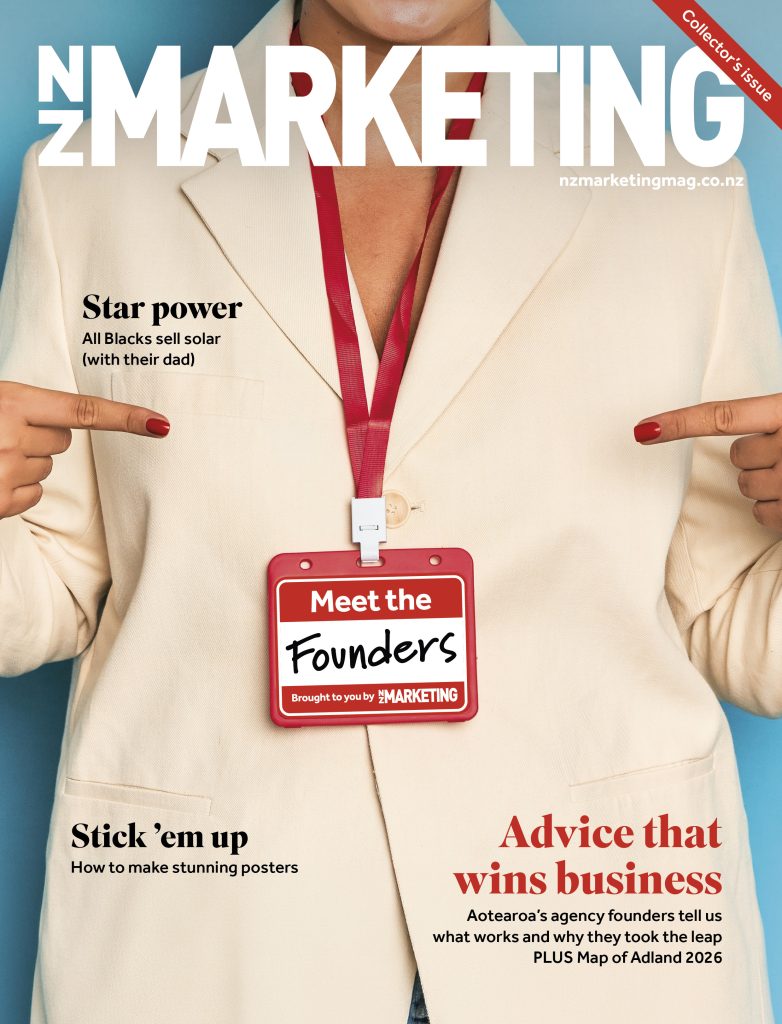
This story comes from NZ Marketing magazine issue 87, June-August 2026. Why not subscribe? Get four issues a year for just $50 (including delivery) if you autorenew.
Essential marketing intelligence. Don’t miss it.