
| Winner | Auckland Transport |
| Marketing initiative | How the West moves |
| Marketing partners | Auckland Transport team, Federation, Supernormal, MBM |
| Finalists | Bank of New Zealand, Department of Conservation, Goodman Fielder & NZ Sugar, NZ Police, Spark New Zealand (two initiatives), Squirrel |
| Judges’ comments | “A clear winner. A refreshingly different way to treat a new service. Genuine innovation from AT. It connects with culture really well, achieving a social transfer to the community and very good results.” |
This category is sponsored by YouTube.

WX1 is a hit
When Auckland Transport needed cut-through with West Aucklanders, it treated the launch of an upgraded bus corridor like a music release.
Driving is the default in West Auckland, where the vast majority of trips are made by private car. Public transport use is about one-third of the (single digit) Auckland average.
Only 30% of West Aucklanders were satisfied with the city’s transport system. Meanwhile, 25% felt public transport was quick and efficient, and 41% thought they could reach common destinations within 45 minutes by bus.
AT had just upgraded the WX1 corridor with 12 fully electric double-deckers running every 10 minutes from 7am to 7pm, adding 432 seated places per service hour. The risk was clear: a better service delivers no public value if the West does not choose it.
Hip-hop on board
Information-led transport marketing was not going to shift behaviour in a community where only 30% were satisfied with Auckland’s transport system. Pride and identity would.
AT commissioned West Auckland hip-hop artists Church (Elijah Manu) and AP (Albert Purcell) to write an original track naming landmarks along the corridor: Massey, Te Atatū, Westgate, the Northwestern, K Rd, Albert Street.
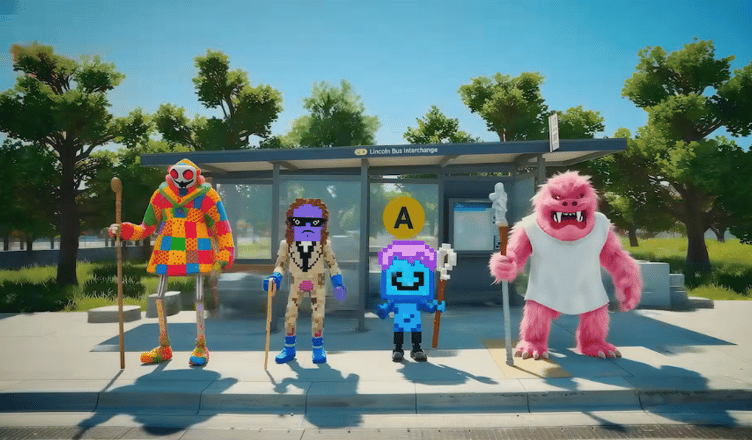
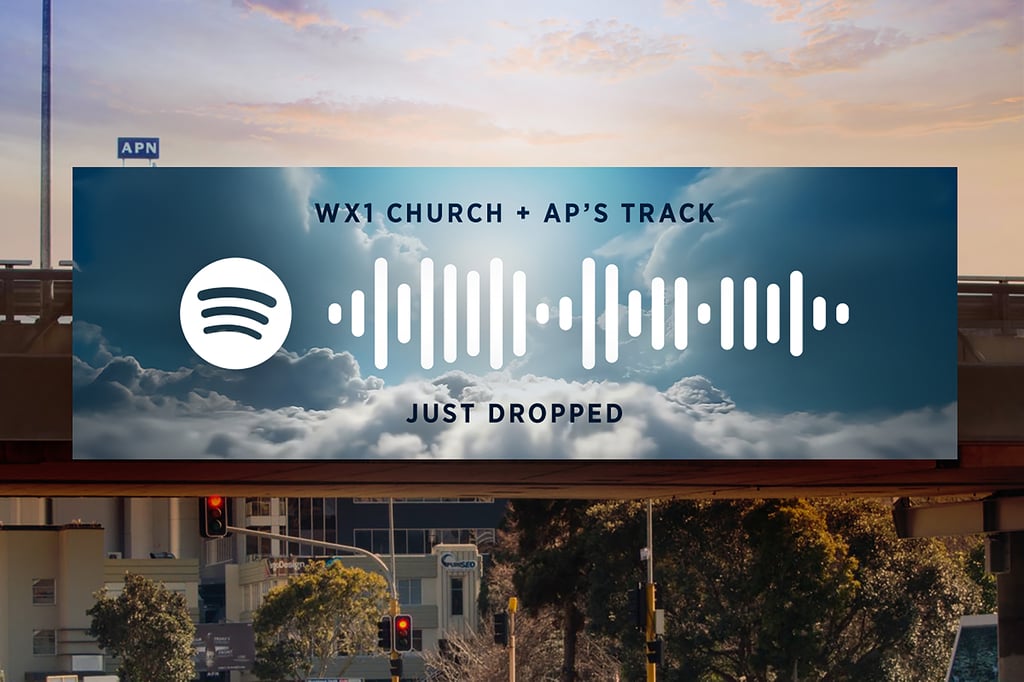
The unbranded teaser dropped on Spotify. The full music video, produced with hybrid AI-assisted production (a brave move for a public agency, with AI supporting human craft rather than replacing it), launched a week later.
Bus stops carried QR codes to the track. Mai FM and West Auckland cinemas amplified the work into culture.
AT also released an official TikTok sound to encourage user-generated content and gave the artists’ channels equal billing with paid distribution.
The result felt closer to a locally released track than a transport advert. People engaged with the work as music and identity first, often before clocking it as Auckland Transport.
That sequence, culture before brand, drove the cut-through traditional transport advertising in the West has historically struggled to reach.
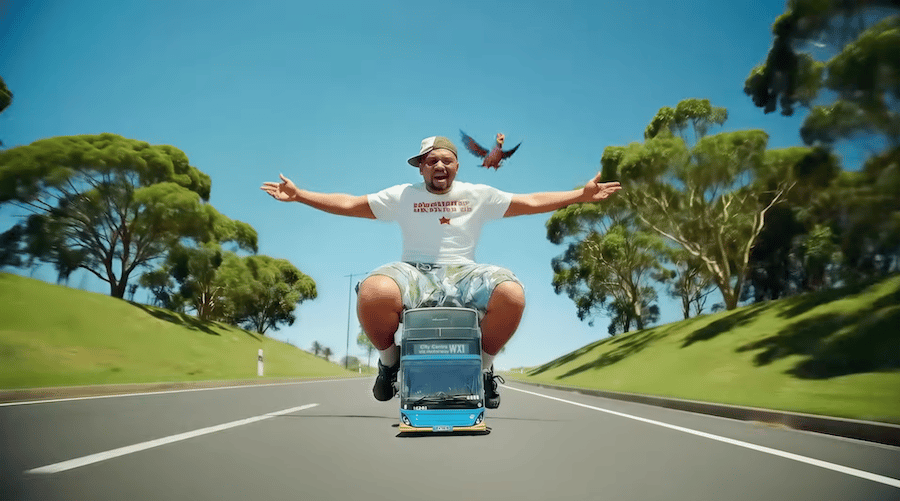
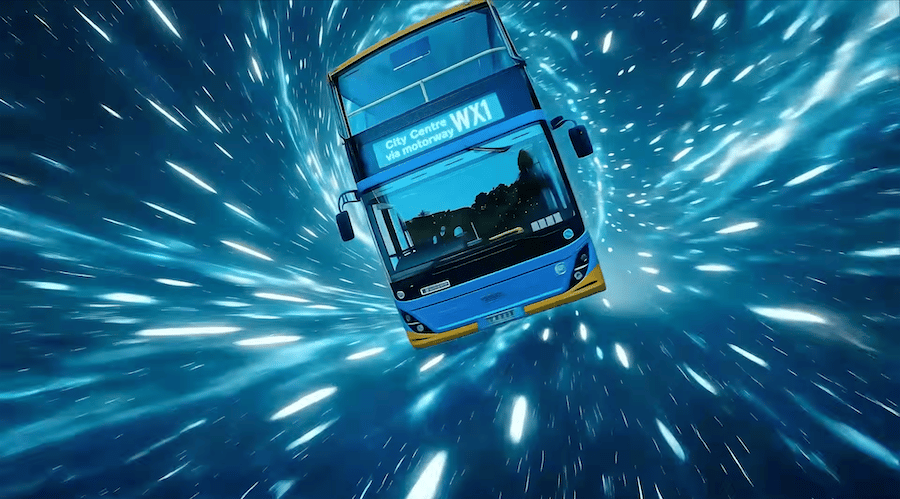
Results landed across every objective. Cut-through hit 28% in West Auckland (36% among under-35s and Māori).
Branding reached 72%, climbing to 88% among under-35s and 82% among Māori/Pasifika, while 62% said the work created pride and connection to the West. Net positive emotion reached 68%, ahead of AT’s 56% benchmark.
The proof is in the patronage. WX1 trips grew 31% year-on-year and 48% versus 2024. The corridor effect lifted other West Auckland routes by 19%, an additional 113,961 trips.
Importantly, West Auckland satisfaction with the transport system rose from 30% to 43%.
Federation, AT’s creative agency, has since shared the strategy with international networks including Transport
for London.

This story comes from NZ Marketing magazine issue 88, Sept-Nov 2026. Why not subscribe? Get four issues a year for just $50 (including delivery) if you autorenew.
Essential marketing intelligence. Don’t miss it.